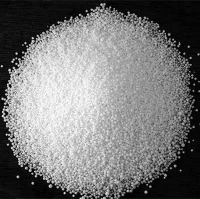
It is a substance that can increase the flame resistance of polymer materials, mainly used in polymer materials such as plastics, rubber, fibers, etc., and most of these materials can be burned. In particular, plastics need to be used in transportation, construction, electrical equipment, aviation, aerospace flight, etc., and there is an urgent need to solve the problem of combustion resistance. The use of flame retardants should generally meet the following conditions: do not reduce the physical properties of polymer materials, such as heat resistance, mechanical strength, and electrical properties; The decomposition temperature should not be too high, but it should not decompose at the processing temperature; Good durability; Good weather resistance; Inexpensive.
Generally speaking, organic flame retardant has a good affinity, in plastics, brominated flame retardants occupy an absolute advantage in organic flame retardant systems, although there are many "criticisms" in environmental protection issues, but it has been difficult to be replaced by other flame retardant systems.
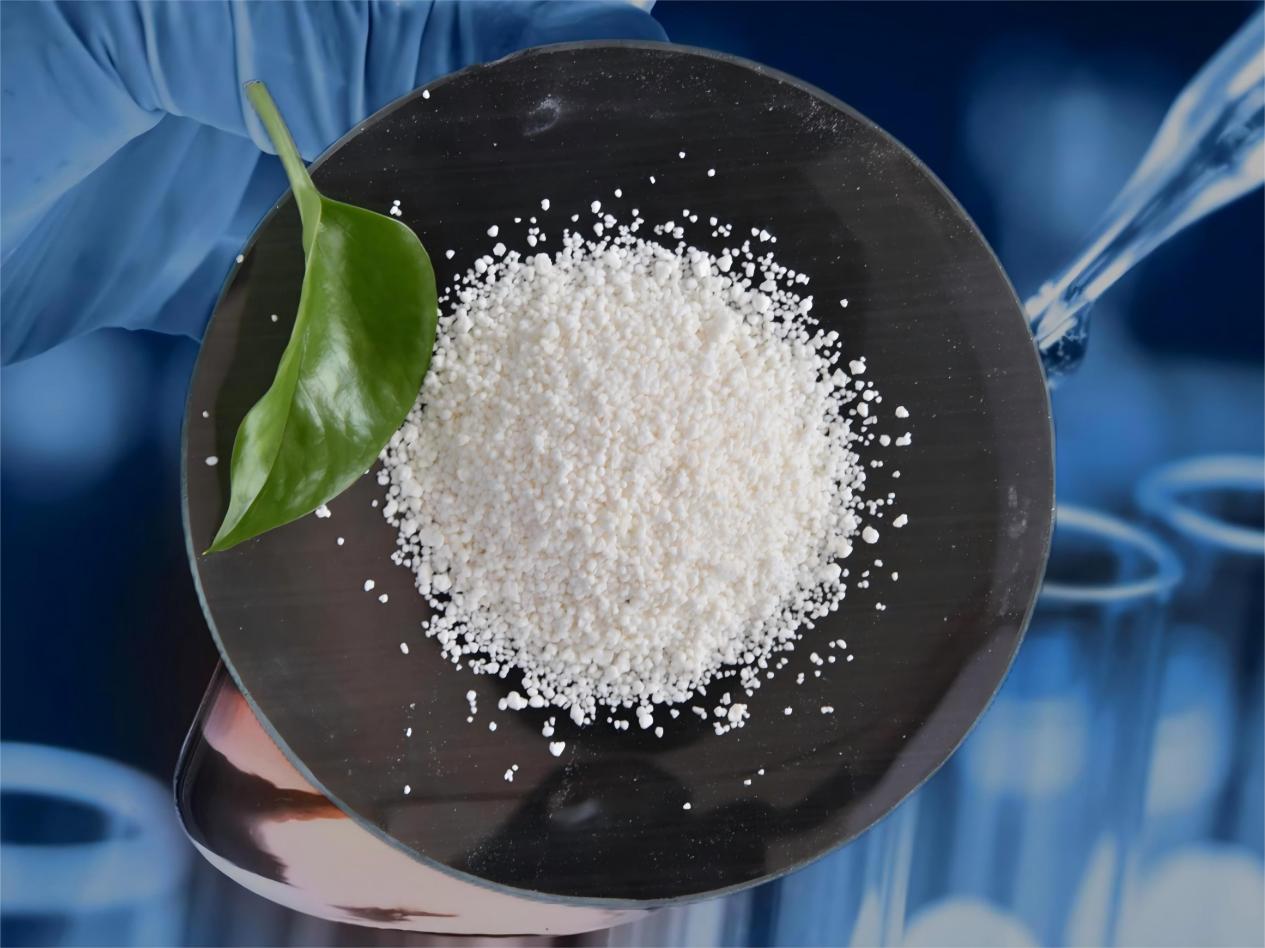
Among the non-halogenated flame retardants, red phosphorus is a good flame retardant, which has the advantages of low addition, high flame retardant efficiency, low smoke, low toxicity and wide use. Red phosphorus is compounded with inorganic flame retardants such as aluminum hydroxide and expanded graphite to make composite phosphorus/magnesium; phosphorus/aluminum; Non-halogenated flame retardants, such as phosphorus/graphite, can be used to significantly reduce the flame retardant dose, thereby improving the processability and physical and mechanical properties of plastic products. However, ordinary red phosphorus is easy to oxidize and absorb moisture in the air, which is easy to cause dust explosion, difficult to transport, and poor compatibility with polymer materials, so the application range is limited. In order to make up for this shortcoming, the microcapsule coating process can be used to make it microencapsulated red phosphorus. In addition to overcoming the inherent drawbacks of red phosphorus, microencapsulated red phosphorus has high efficiency, low smoke, no toxic gas in processing, and its dispersibility, physical and mechanical properties, thermal stability and flame retardant properties are improved and improved.