

Over the years, the production of Brominated Polystyrene has witnessed some significant changes, and as a supplier in this field, I've got a front - row seat to observe these shifts.
Let's start from the early days. Back then, the production of Brominated Polystyrene was a relatively nascent process. The initial methods were quite basic. We used to rely on traditional chemical reactions that involved bromination of polystyrene. The raw materials were relatively simple to source, mainly polystyrene and bromine - containing compounds. But the process was not very efficient. There were issues with selectivity in the bromination reaction. Sometimes, the bromination would occur at unwanted positions on the polystyrene chain, leading to a product with inconsistent properties. This inconsistency made it difficult to meet the strict quality requirements of various industries that were starting to show interest in Brominated Polystyrene as a flame - retardant.
The early production facilities were also limited in scale. Most of the operations were carried out in small - scale laboratories or pilot plants. The reaction vessels were not well - equipped to handle large - volume productions. Temperature control was a major challenge. Since the bromination reaction is exothermic, if the heat was not dissipated properly, it could lead to side reactions, and in some cases, even damage the equipment.
As time went on, technological advancements started to play a huge role. New catalysts were developed. These catalysts made the bromination reaction more selective. They could direct the bromine atoms to specific positions on the polystyrene chain, resulting in a more consistent product. For example, some metal - based catalysts were found to be very effective in promoting the desired bromination pattern. This meant that we could produce Brominated Polystyrene with more predictable and stable properties, which was a game - changer for industries like the electronics and automotive sectors.
The scale of production also increased significantly. Modern production plants are now equipped with state - of - the - art reaction vessels and control systems. These vessels can handle large volumes of raw materials, allowing for mass production. The control systems can precisely regulate temperature, pressure, and the flow of reactants. This has led to a more efficient and cost - effective production process. We can now produce Brominated Polystyrene at a much lower cost per unit, which has made it more accessible to a wider range of industries.
Another important change is in the environmental aspect. In the past, the production of Brominated Polystyrene generated a significant amount of waste, especially bromine - containing by - products. These by - products were not only harmful to the environment but also difficult to dispose of. However, with the development of new production techniques, we have been able to reduce the amount of waste generated. Some processes now recycle and reuse the bromine - containing compounds, which not only reduces the environmental impact but also saves on raw material costs.

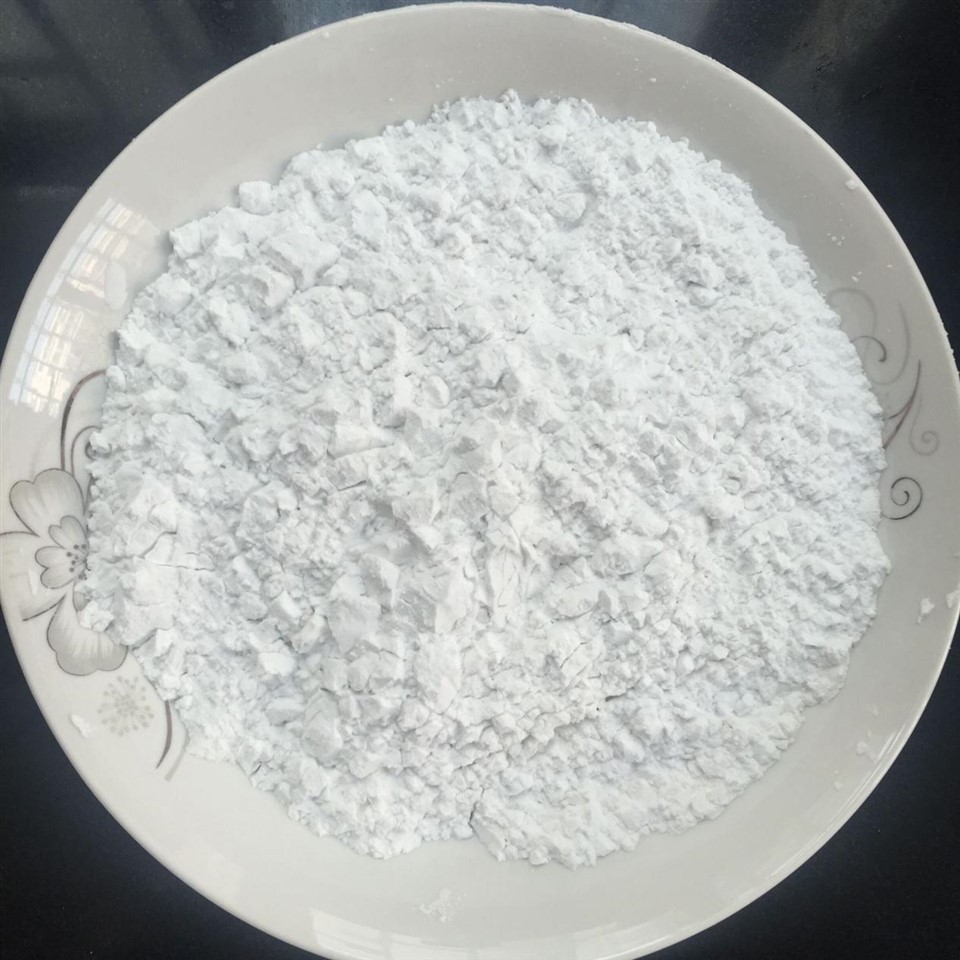
In terms of product quality, we have seen a continuous improvement. The purity of Brominated Polystyrene has increased over the years. We can now produce products with a very high degree of bromination, which enhances its flame - retardant properties. The molecular weight distribution of the polystyrene backbone can also be better controlled, leading to products with improved mechanical and thermal properties.
When comparing Brominated Polystyrene with other flame - retardants like Methyl Octabromoether and Brominated Styrene - butadiene - styrene Block Copolymer, Brominated Polystyrene has its unique advantages. It offers better compatibility with a wide range of polymers. This means that it can be easily incorporated into different polymer matrices without causing significant changes to the physical and mechanical properties of the final product. It also has excellent thermal stability, which is crucial in applications where the materials are exposed to high temperatures.
As a supplier, these changes in production have allowed us to offer better products to our customers. We can now provide customized solutions based on the specific requirements of different industries. Whether it's for the construction industry, where flame - retardant insulation materials are needed, or the electrical industry, where safety is of utmost importance, we can tailor the properties of Brominated Polystyrene to meet those needs.
If you're in the market for high - quality Brominated Polystyrene, we'd love to have a chat with you. Our team of experts can help you understand how our product can fit into your specific applications. We can discuss the different grades and properties available and work with you to find the best solution for your business. So, don't hesitate to reach out and start a conversation about potential procurement opportunities.
References
- Industry reports on flame - retardant production technologies
- Research papers on the development of bromination catalysts
- Technical documents on the environmental impact of Brominated Polystyrene production