

Can Sodium Metabisulfite be used in meat products?
Hey there! As a supplier of Sodium Metabisulfite, I often get asked if it can be used in meat products. It's a hot - topic, and today I'm gonna break it down for you.
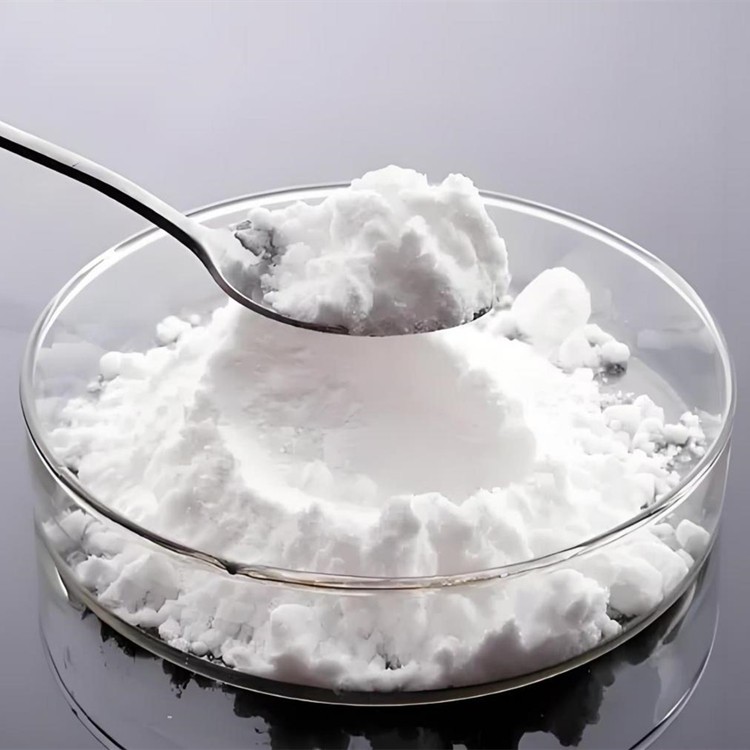
First off, let's talk a bit about Sodium Metabisulfite. It's a white or yellowish - white crystalline powder with a sulfur dioxide odor. It's commonly used in various industries. In the food industry, it's a multi - purpose ingredient. It acts as a preservative, antioxidant, and also helps with color retention.
When it comes to meat products, the use of Sodium Metabisulfite is a bit of a mixed bag. On one hand, there are some potential benefits. One of the main advantages is its preservative properties. Microorganisms are the enemy of fresh meat. They can cause spoilage, leading to off - flavors, bad odors, and even potential health risks. Sodium Metabisulfite can inhibit the growth of bacteria, yeasts, and molds. By doing so, it can extend the shelf - life of meat products.
It also works as an antioxidant. Oxidation is a natural process that occurs in meat. When meat is exposed to oxygen, it can lead to the development of off - flavors and a change in color. Oxidized meat often turns brownish, which is not very appealing to consumers. Sodium Metabisulfite can prevent or slow down this oxidation process, keeping the meat looking fresher and more appetizing for longer.

However, there are also some concerns. One of the major issues is related to potential health risks. Some people are sensitive or allergic to sulfites. Ingesting sulfites can cause a range of symptoms, from mild allergic reactions like hives and itching to more severe ones such as difficulty breathing and anaphylactic shock. That's why in many countries, there are strict regulations regarding the use of sulfites in food, including meat products.
In the United States, the Food and Drug Administration (FDA) has specific rules about the use of sulfites in food. If a meat product contains more than 10 parts per million (ppm) of sulfites, it must be labeled as containing sulfites. This is to ensure that consumers with sulfite allergies are aware of the potential risk.
Another aspect to consider is the impact on the flavor of the meat. While Sodium Metabisulfite can help preserve the meat, it can also add a distinct sulfurous flavor if used in excessive amounts. This flavor might not be desirable for all consumers. Chefs and food manufacturers need to be careful when using it to strike the right balance between preservation and flavor.
Now, let's compare Sodium Metabisulfite with some other common additives used in meat products. Sodium Nitrite is another widely used additive in the meat industry. It's mainly used for its ability to give meat a characteristic pink color and to prevent the growth of Clostridium botulinum, a bacterium that can cause botulism. Unlike Sodium Metabisulfite, Sodium Nitrite doesn't have the same sulfite - related allergy concerns, but it also has its own set of potential health risks, such as the formation of nitrosamines, which are suspected carcinogens.
Sodium Bicarbonate, also known as baking soda, is sometimes used in meat products. It can be used to adjust the pH of the meat, which can affect its texture and water - holding capacity. It doesn't have the same preservative and antioxidant properties as Sodium Metabisulfite, but it can be useful in certain meat processing techniques.
Heavy Soda Ash is mainly used in industrial applications, but in some cases, it can also be involved in meat processing. It can be used in the cleaning and sanitation of meat processing equipment.
In conclusion, Sodium Metabisulfite can be used in meat products, but it has to be done carefully. Food manufacturers need to weigh the benefits of preservation and antioxidant effects against the potential health risks and flavor issues. They also need to comply with the relevant regulations in their countries.
If you're in the meat processing business and are considering using Sodium Metabisulfite, I'd love to have a chat with you. We can discuss the best way to incorporate it into your products, taking into account all the factors we've talked about. Whether you're looking for a reliable supply of high - quality Sodium Metabisulfite or need some advice on its usage, I'm here to help. Just reach out, and we can start a conversation about how to make your meat products better.
References:
- U.S. Food and Drug Administration. (n.d.). Sulfites in Food.
- Various scientific studies on the use of additives in meat products.