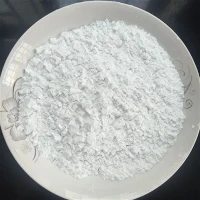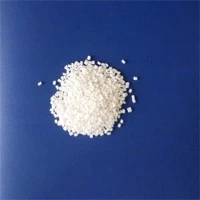
1. Used in the production of papermaking and cellulose pulp; It is used in the production of soaps, synthetic detergents, synthetic fatty acids and the refining of animal and vegetable fats and fats.
2. In the textile printing and dyeing industry, it is used as a desizing agent, a refining agent and a mercerizing agent for cotton cloth.
3. The chemical industry is used to produce borax, sodium cyanide, formic acid, oxalic acid, phenol, etc. It is used in the petroleum industry to refine petroleum products and is used in oilfield drilling muds.
4. It is also used in the production of alumina, zinc and copper surface treatment as well as glass, enamel, tanning, medicine, dyes and pesticides.
5. Food-grade products are used as acid neutralizers in the food industry, as peeling agents for citrus and peaches, as detergents for empty bottles, empty cans and other containers, as well as decolorizing agents and deodorants.
6. Widely used basic analytical reagents. Preparation of standard lye solutions for analysis. Absorbent with a small amount of carbon dioxide and moisture. Acid neutralization. Sodium salt manufacturing. It is widely used in papermaking, chemical industry, printing and dyeing, medicine, metallurgy (aluminum), chemical fiber, electroplating, water treatment, tail gas treatment, etc.
7. It is used as a neutralizing agent, a masking agent, a precipitating agent, a precipitation masking agent, and a chromogenic agent for the determination of ketosterols by thin layer analysis. It is used for sodium salt preparation and saponification agent. It is used in the manufacture of various sodium salts, soaps, pulp, finishing cotton fabrics, silk, viscose fibers, regeneration of rubber products, metal cleaning, electroplating, bleaching, etc.
8. In cosmetics and creams, this product and stearic acid and other saponifications play the role of emulsifiers, which are used to make alabaster and shampoo.