

Hey there! I'm a supplier of flame retardants, and I've been in this business for quite a while. Over the years, I've seen firsthand which industries rely on flame retardants the most. So, let's dive right in and explore these industries together.
Electronics and Electrical Industry
The electronics and electrical industry is one of the biggest users of flame retardants. With the ever - increasing number of electronic devices in our lives, from smartphones and laptops to large - scale electrical appliances, safety is a top priority.
Flame retardants are used in the plastic casings of these devices. For example, laptops have a plastic outer shell that contains flame retardants. In case of an electrical short - circuit or overheating, these flame retardants prevent the plastic from catching fire easily and spreading the flames.
In printed circuit boards (PCBs), flame retardants are also crucial. PCBs are the heart of electronic devices, and they carry electrical signals. If a PCB catches fire, it can not only damage the device but also pose a serious safety risk. That's why we use high - performance flame retardants like Brominated Polystyrene. It has excellent thermal stability and can effectively suppress flames in electronic applications.

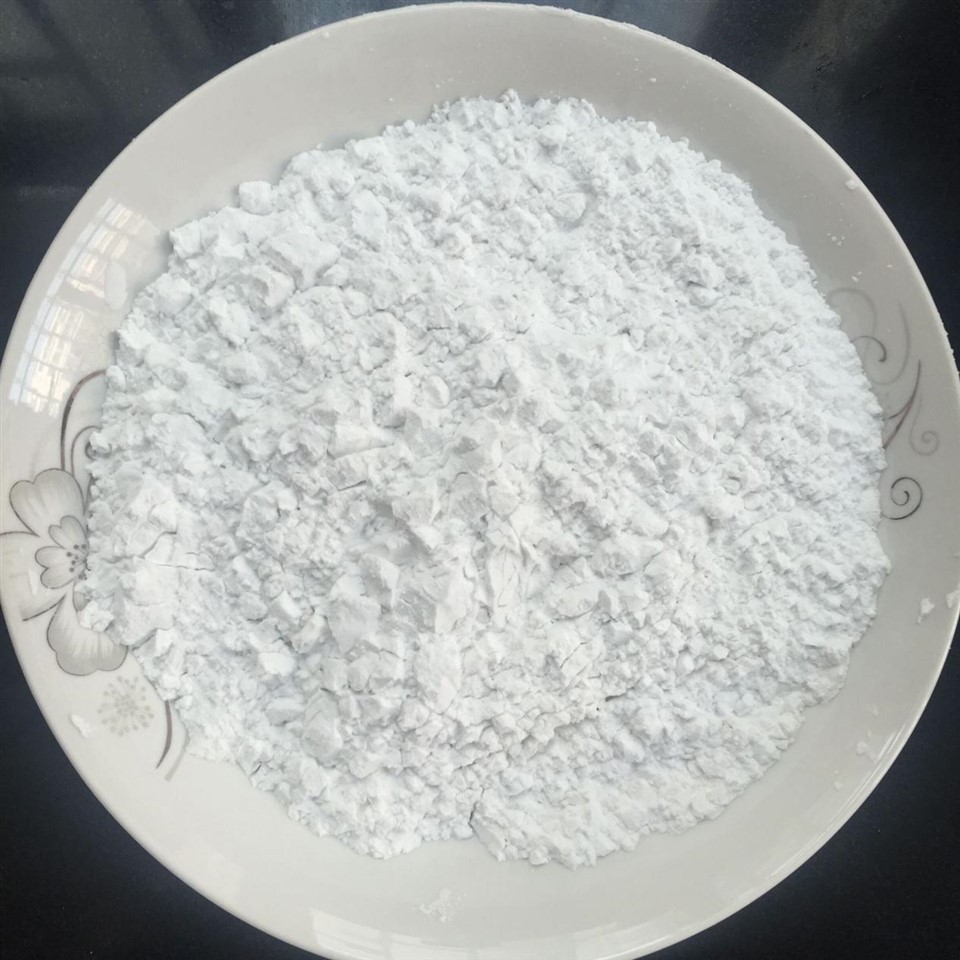
The growth of the Internet of Things (IoT) has also contributed to the increased demand for flame retardants in this industry. As more and more smart devices are connected, the need for fire - safe electronics becomes even more important.
Construction Industry
The construction industry is another major consumer of flame retardants. Flame retardants are used in a wide range of building materials, such as insulation materials, cables, and wall coverings.
Insulation materials play a vital role in energy efficiency in buildings. However, many traditional insulation materials are flammable. To make them safer, flame retardants are added. For example, in foam insulation, flame retardants can slow down the burning process and reduce the spread of fire.
Cables in buildings are also required to meet strict fire - safety standards. Flame - retardant cables are designed to prevent the spread of fire through the cable channels. Decabromodiphenyl Ethane is often used in cable insulation to improve its fire - resistant properties.
Wall coverings, such as wallpapers and paints, can also be treated with flame retardants. This not only enhances the fire safety of the building but also provides an extra layer of protection for the occupants.
With the increasing focus on sustainable and safe construction, the demand for flame - retardant building materials is expected to grow in the coming years.
Automotive Industry
In the automotive industry, flame retardants are used to enhance the safety of vehicles. They are used in interior components, such as seat cushions, carpets, and dashboard materials.
Seat cushions are made of foam materials that can be flammable. By adding flame retardants, we can reduce the risk of fire in case of an accident or a short - circuit. Flame - retardant carpets can also prevent the spread of fire inside the vehicle.
The dashboard and other interior plastic parts are also treated with flame retardants. These parts are in close proximity to the vehicle's electrical system, and any fire in this area can be extremely dangerous. Brominated Styrene - butadiene - styrene Block Copolymer is a popular choice for automotive applications because of its good mechanical properties and flame - retardant performance.
As electric vehicles become more popular, the demand for flame retardants in the automotive industry is likely to increase. The high - voltage batteries in electric vehicles pose a potential fire risk, and flame retardants are needed to ensure the safety of these batteries.
Textile Industry
The textile industry also uses flame retardants, especially for applications where fire safety is critical. Flame - retardant textiles are used in areas such as upholstery, curtains, and protective clothing.
Upholstery in public places, such as theaters, hotels, and airplanes, needs to meet strict fire - safety regulations. Flame retardants are applied to the fabric to make it more resistant to fire. This can prevent the rapid spread of fire in case of an emergency.
Curtains in buildings are another area where flame retardants are used. They can act as a barrier to prevent the spread of fire from one room to another.
Protective clothing for firefighters, industrial workers, and military personnel is also treated with flame retardants. These garments are designed to protect the wearer from fire and heat. Flame - retardant textiles can provide valuable seconds of protection in dangerous situations.
Furniture Industry
The furniture industry has a significant need for flame retardants. Just like in the automotive and textile industries, flame retardants are used in furniture upholstery and foam cushions.
In many countries, there are strict regulations regarding the fire safety of furniture. Furniture manufacturers are required to use flame - retardant materials to meet these standards. For example, in sofas and armchairs, the foam cushions are often treated with flame retardants to prevent them from catching fire easily.
The trend towards more comfortable and stylish furniture has also led to the use of new materials in the industry. However, these new materials may have different fire - safety characteristics. That's why we need to continuously develop and improve our flame - retardant products to ensure the safety of furniture.
Aerospace Industry
The aerospace industry has extremely high requirements for fire safety. Flame retardants are used in various aerospace components, such as interior panels, insulation materials, and wiring.
Interior panels in aircraft need to be lightweight but also fire - resistant. Flame retardants can help achieve this balance. They can reduce the weight of the panels while still providing excellent fire - safety performance.
Insulation materials in aircraft are crucial for maintaining the temperature inside the cabin. At the same time, they must be fire - safe. Wiring in aircraft is also designed to be flame - retardant to prevent the spread of fire in case of an electrical fault.
As the aerospace industry continues to grow and develop new technologies, the demand for high - performance flame retardants will only increase.
Conclusion
In conclusion, the electronics and electrical, construction, automotive, textile, furniture, and aerospace industries are the major users of flame retardants. Each industry has its own specific requirements and applications for flame retardants, and we as a flame - retardant supplier need to provide customized solutions to meet these needs.
If you're in any of these industries and are looking for high - quality flame retardants, we're here to help. Our team of experts can offer you the best advice and products to ensure the fire safety of your products. Whether you need a small quantity for a prototype or a large - scale supply for mass production, we've got you covered. So, don't hesitate to reach out and start a conversation about your flame - retardant needs. Let's work together to make our world a safer place.
References
- "Flame Retardants: Principles and Applications" by some author.
- Industry reports on electronics, construction, automotive, textile, furniture, and aerospace industries.