

In the high - stakes world of aviation, safety is non - negotiable. Every component, from the smallest bolt to the largest fuselage panel, plays a crucial role in ensuring the well - being of passengers and crew. One often overlooked yet vitally important element in aviation safety is the use of flame retardants. As a supplier of flame retardants, I have witnessed firsthand how these chemicals contribute to the overall safety of aircraft.
The Hazards of Fire in Aviation
Fires in an aircraft can have catastrophic consequences. Unlike fires on the ground, aircraft fires are more difficult to control due to the limited space, the presence of highly flammable materials such as fuel, and the unique environmental conditions at high altitudes. A small fire can quickly spread, causing structural damage, releasing toxic fumes, and ultimately leading to the loss of the aircraft and lives.
In addition to the immediate danger of the fire itself, the smoke and toxic gases produced can be just as deadly. In an enclosed aircraft cabin, smoke inhalation can quickly incapacitate passengers and crew, making evacuation difficult or impossible. Toxic gases such as carbon monoxide and hydrogen cyanide can also cause serious health problems, even in small concentrations.
How Flame Retardants Work
Flame retardants are chemicals that are added to materials to reduce their flammability. They work in several ways, depending on the type of retardant and the material it is applied to.
One common mechanism is the formation of a protective char layer on the surface of the material. When the material is exposed to heat or flame, the flame retardant decomposes and forms a char that acts as a barrier, preventing oxygen from reaching the underlying material and reducing the rate of combustion. This can slow down the spread of fire and give passengers and crew more time to evacuate.
Another way flame retardants work is by releasing inert gases when heated. These gases dilute the oxygen in the surrounding air, making it more difficult for the fire to burn. Some flame retardants also interfere with the chemical reactions that occur during combustion, inhibiting the chain reaction that sustains the fire.
Types of Flame Retardants Used in Aviation
There are several types of flame retardants used in the aviation industry, each with its own advantages and disadvantages.
Brominated Flame Retardants: Brominated flame retardants are widely used in aviation due to their high effectiveness. They are added to a variety of materials, including plastics, foams, and textiles. Brominated Styrene - butadiene - styrene Block Copolymer is one such example. It offers excellent flame - retardant properties and can be easily incorporated into polymers. Brominated Polystyrene is another commonly used brominated flame retardant. It is known for its thermal stability and good compatibility with a wide range of polymers.
Phosphorus - Based Flame Retardants: Phosphorus - based flame retardants are also popular in aviation. They work by forming a protective char layer on the surface of the material and can be used in combination with other flame retardants for enhanced performance. These retardants are often used in applications where low toxicity is a concern.
Halogen - Free Flame Retardants: With increasing environmental concerns, halogen - free flame retardants are becoming more popular in the aviation industry. These retardants do not contain bromine or chlorine, which can release toxic gases when burned. Methyl Octabromoether is an example of a brominated flame retardant, but there are also many halogen - free alternatives available that offer comparable performance.
Applications of Flame Retardants in Aviation
Flame retardants are used in a wide range of applications in the aviation industry.
Cabin Interiors: The materials used in the cabin, such as seat cushions, carpets, and wall panels, are all treated with flame retardants. This helps to prevent the spread of fire in the event of an emergency and reduces the risk of toxic fumes being released. For example, seat cushions are often made from foam that has been treated with flame retardants to ensure that they do not ignite easily and that they burn slowly if they do catch fire.
Electrical Wiring and Components: Electrical systems in aircraft are another area where flame retardants are essential. The insulation on wires and the housing of electrical components are often made from materials that have been treated with flame retardants to prevent electrical fires from spreading. This is particularly important as electrical faults can be a common cause of fires in aircraft.
Structural Components: Some structural components of the aircraft, such as composite materials used in the fuselage and wings, may also be treated with flame retardants. This helps to maintain the integrity of the structure in the event of a fire and reduces the risk of catastrophic failure.
Regulatory Requirements
The aviation industry is highly regulated, and there are strict standards in place regarding the use of flame retardants. These standards are set by organizations such as the Federal Aviation Administration (FAA) in the United States and the European Union Aviation Safety Agency (EASA).
Aircraft manufacturers must ensure that all materials used in the construction of an aircraft meet these flame - retardant standards. This includes rigorous testing of materials to ensure that they meet the required flammability criteria. Failure to comply with these standards can result in grounding of the aircraft and significant legal consequences for the manufacturer.
Our Role as a Flame Retardant Supplier
As a flame retardant supplier, we play a crucial role in ensuring the safety of the aviation industry. We work closely with aircraft manufacturers and suppliers to develop and provide high - quality flame retardants that meet the strict regulatory requirements.
Our team of experts has in - depth knowledge of the different types of flame retardants and their applications in aviation. We conduct extensive research and development to improve the performance of our products and to develop new flame retardants that are more effective, environmentally friendly, and cost - efficient.
We also provide technical support to our customers, helping them to select the right flame retardant for their specific application. This includes advice on the proper use and handling of the retardant, as well as assistance with testing and certification.
The Future of Flame Retardants in Aviation
The future of flame retardants in aviation looks promising. With the increasing demand for safer and more environmentally friendly aircraft, there is a growing need for new and improved flame retardants.
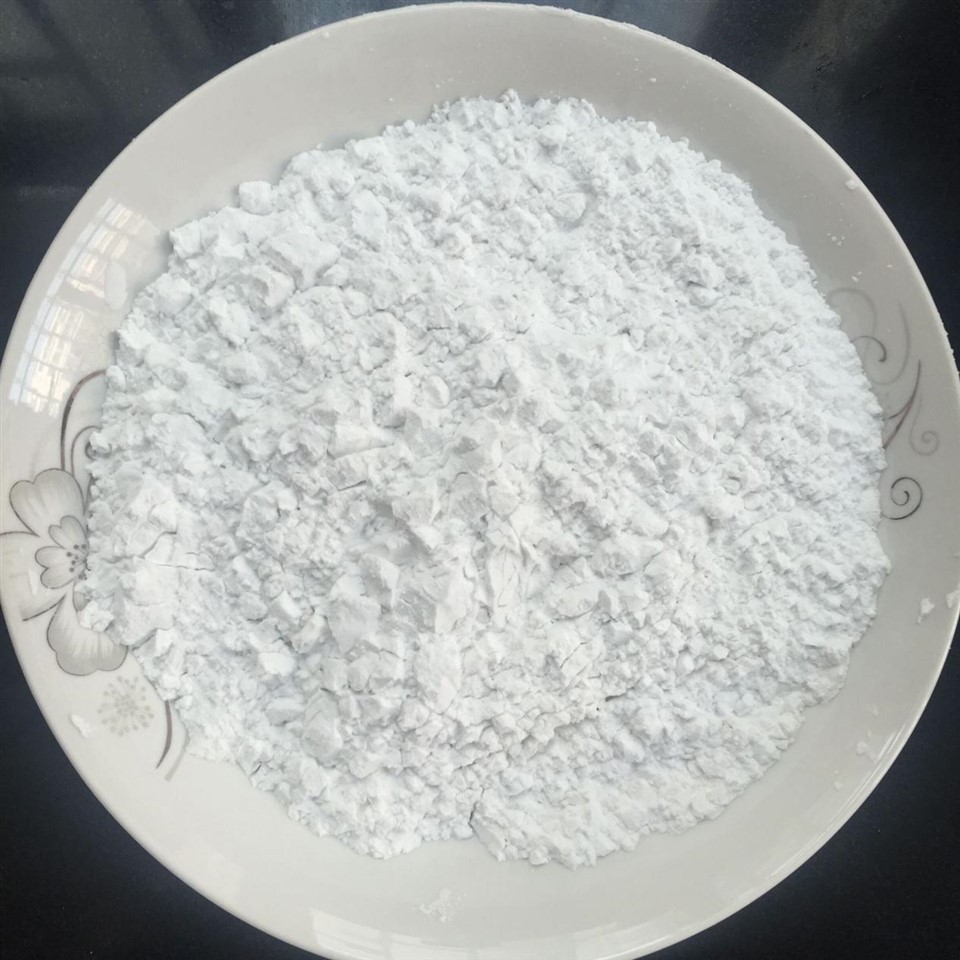

Research is being conducted to develop flame retardants that are more effective at lower concentrations, reducing the amount of chemical needed and minimizing the environmental impact. There is also a focus on developing halogen - free flame retardants that offer the same level of performance as traditional brominated and chlorinated retardants.
In addition, advancements in materials science are leading to the development of new materials that are inherently more fire - resistant, reducing the reliance on flame retardants. However, even with these new materials, flame retardants will still play an important role in ensuring the overall safety of aircraft.
Conclusion
Flame retardants are an essential component of aviation safety. They help to reduce the risk of fire and its associated hazards, such as smoke and toxic gases. By working with aircraft manufacturers and suppliers, we can ensure that the materials used in the construction of aircraft are as fire - resistant as possible.
If you are involved in the aviation industry and are looking for high - quality flame retardants, we would be delighted to discuss your requirements. Our team of experts can provide you with the best solutions to meet your safety needs. Contact us to start a procurement discussion and take a step towards enhancing aviation safety.
References
- FAA (Federal Aviation Administration). "Flammability Requirements for Aircraft Materials."
- EASA (European Union Aviation Safety Agency). "Regulatory Framework for Aviation Safety."
- "Handbook of Flame Retardants" by G. Camino, G. Costa, and M. Luda.
- Research papers on the development and application of flame retardants in the aviation industry from scientific journals such as "Journal of Fire Sciences" and "Polymer Degradation and Stability."