

Hey there! As a supplier of Brominated Polystyrene, I'm super stoked to share with you the typical formulations of this amazing flame retardant in various products.
What is Brominated Polystyrene?
First off, let's quickly go over what Brominated Polystyrene is. It's a high - performance, environmentally friendly flame retardant. It's got a lot going for it, like excellent thermal stability, low volatility, and good compatibility with a bunch of polymers. You can learn more about it Brominated Polystyrene.
Formulations in Different Products
Electronics
In the electronics industry, safety is a top priority. Electrical fires can be a real nightmare, so flame retardants are a must. Brominated Polystyrene is often used in the plastic casings of electronic devices.
For example, in laptops and smartphones, the outer plastic shells need to be resistant to catching fire. A typical formulation might include a blend of Brominated Polystyrene with other additives like antioxidants and lubricants. The antioxidants help to prevent the degradation of the plastic over time, while the lubricants make the molding process smoother. Usually, we'd use around 10 - 20% Brominated Polystyrene in the plastic resin. This percentage ensures that the plastic meets the required flammability standards, such as UL 94 V - 0.
Textiles
When it comes to textiles, especially those used in furniture and bedding, flame retardancy is crucial. Brominated Polystyrene can be used in a finishing treatment for fabrics.
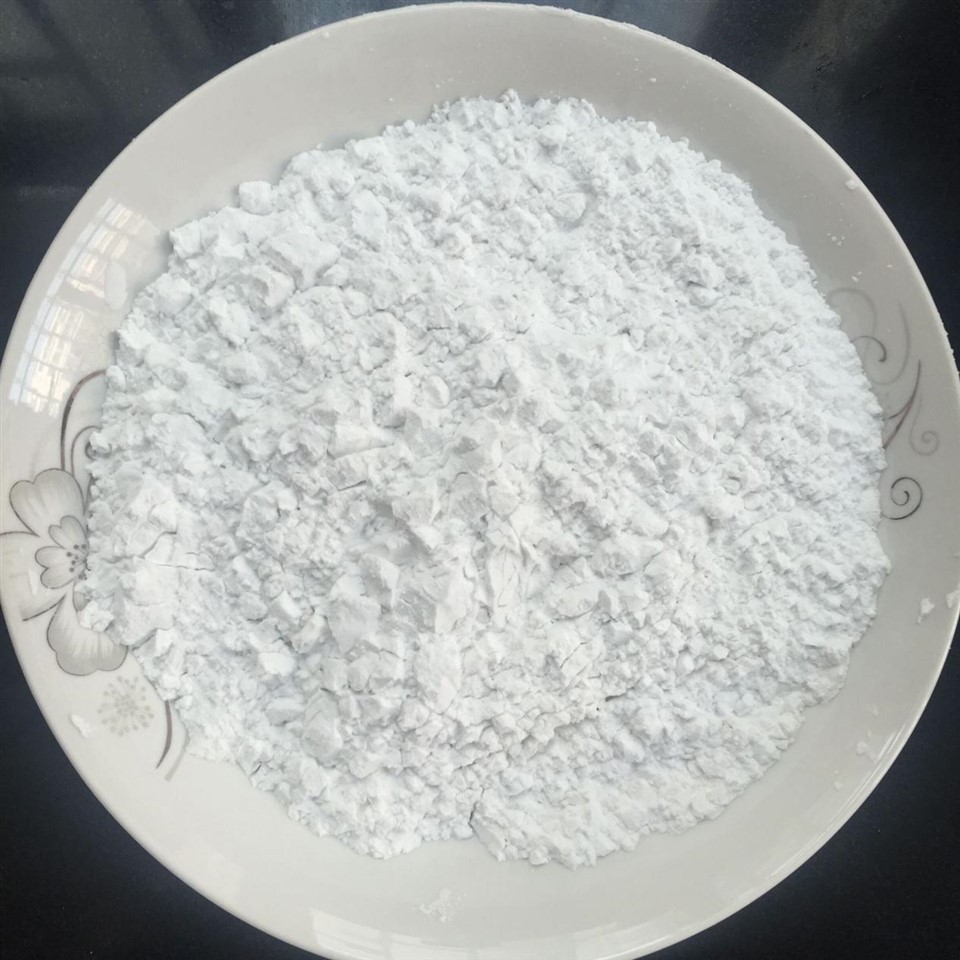

A common formulation for textile treatment involves dissolving Brominated Polystyrene in a suitable solvent along with some binders. The binder helps the flame retardant to adhere to the fabric fibers. After the fabric is dipped or sprayed with this solution, it goes through a drying process. This leaves a thin layer of the flame - retardant formulation on the fabric. The concentration of Brominated Polystyrene in the treatment solution can vary depending on the type of fabric and the desired level of flame retardancy, but it's often in the range of 5 - 15%.
Automotive Parts
Automobiles have a lot of plastic components, and these need to be fire - resistant. Brominated Polystyrene is used in parts like dashboard plastics, seat covers, and wiring insulation.
For dashboard plastics, a formulation might combine Brominated Polystyrene with a polycarbonate - acrylonitrile - butadiene - styrene (PC - ABS) blend. This combination provides good mechanical properties along with flame retardancy. The amount of Brominated Polystyrene used here can be around 15 - 25% of the total plastic formulation. In wiring insulation, it's mixed with polyethylene or polypropylene. The flame retardant helps to prevent electrical fires from spreading through the wiring system.
Comparison with Other Flame Retardants
There are other flame retardants out there, like Decabromodiphenyl Ethane and Brominated Styrene - butadiene - styrene Block Copolymer.
Decabromodiphenyl Ethane is also a popular brominated flame retardant. It has high bromine content, which gives it good flame - retarding properties. However, Brominated Polystyrene has better compatibility with some polymers and lower volatility. This means that it's less likely to migrate out of the product over time, which is a big plus in terms of long - term performance.
Brominated Styrene - butadiene - styrene Block Copolymer is another option. It has a unique structure that can provide both flexibility and flame retardancy. But Brominated Polystyrene offers better thermal stability, making it more suitable for applications where the product will be exposed to high temperatures.
Advantages of Using Brominated Polystyrene
One of the biggest advantages of Brominated Polystyrene is its environmental profile. It doesn't contain some of the harmful substances that other flame retardants might have. It's also non - bioaccumulative, which means it doesn't build up in the environment or in living organisms.
In terms of performance, it provides excellent flame - retarding efficiency. A relatively small amount can significantly improve the fire resistance of a product. And as I mentioned earlier, its good compatibility with polymers means that it can be easily incorporated into different formulations without causing major changes to the physical properties of the product.
How to Choose the Right Formulation
When choosing a formulation with Brominated Polystyrene, there are a few things to consider. First, you need to think about the end - use application. If it's for a high - temperature application, you'll need a formulation that can withstand those conditions.
You also need to look at the flammability standards that the product needs to meet. Different industries and regions have different requirements. For example, the electronics industry in the US has specific UL standards, while in Europe, there are different regulations.
The cost is also a factor. You want to find a formulation that gives you the best balance between performance and cost. Sometimes, you might be able to reduce the amount of Brominated Polystyrene by using it in combination with other cheaper additives, as long as the flammability requirements are still met.
Conclusion
So, there you have it! The typical formulations of Brominated Polystyrene in products can vary widely depending on the application. Whether it's in electronics, textiles, or automotive parts, Brominated Polystyrene offers a great solution for improving fire safety.
If you're in the market for high - quality Brominated Polystyrene for your products, I'd love to chat with you. We can discuss the best formulations for your specific needs and help you find the most cost - effective solutions. Don't hesitate to reach out for a procurement discussion.
References
- "Flame Retardancy of Polymers: Principles and Practice" by Horrocks, A. R. and Price, D.
- Various industry reports on flame retardants and their applications.