

Hey there! As a supplier of Sodium Nitrate, I've seen firsthand how crucial it is to handle this chemical safely. Sodium Nitrate is widely used in various industries, from agriculture as a fertilizer to the food industry as a preservative. But it comes with its own set of risks, so today I'm gonna share some safety precautions you need to keep in mind when handling it.
Understanding Sodium Nitrate
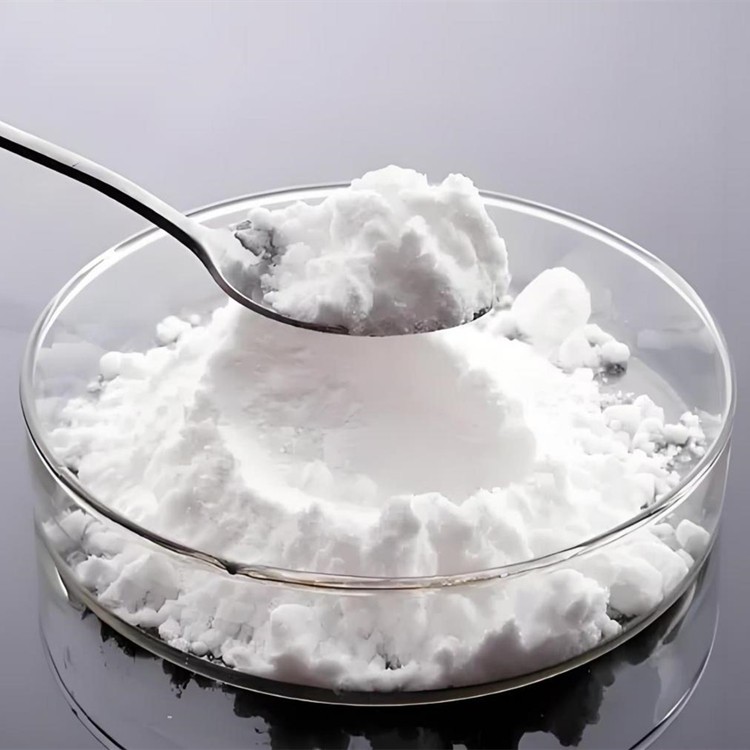
Before we dive into the safety stuff, let's quickly go over what Sodium Nitrate is. It's a white, crystalline solid that's highly soluble in water. It's an oxidizing agent, which means it can support combustion and react violently with reducing agents. This property makes it both useful and potentially dangerous.
Personal Protective Equipment (PPE)
The first line of defense when handling Sodium Nitrate is wearing the right PPE. You should always wear chemical-resistant gloves to protect your hands from direct contact. Nitrile gloves are a great choice as they offer good resistance to a wide range of chemicals.
Safety goggles are a must to protect your eyes. Even a small splash of Sodium Nitrate solution can cause irritation or more serious damage. And don't forget a face shield for extra protection, especially if there's a risk of splashing or dust generation.
A lab coat or chemical-resistant apron is also essential. It'll protect your skin and clothing from spills and splashes. Make sure it covers your body adequately and is in good condition.
Storage
Proper storage is key to preventing accidents. Sodium Nitrate should be stored in a cool, dry, well-ventilated area. Keep it away from heat sources, open flames, and direct sunlight. High temperatures can cause it to decompose and release toxic gases.
It's important to store Sodium Nitrate separately from incompatible substances. This includes reducing agents like Sodium Nitrite, organic materials, and flammable substances. A fire or explosion could occur if these substances come into contact with Sodium Nitrate.
Use approved storage containers made of materials that are resistant to corrosion. Label the containers clearly with the name of the chemical, its hazards, and any safety instructions.

Handling Procedures
When handling Sodium Nitrate, always follow good handling practices. Avoid generating dust by using appropriate transfer methods. If you need to transfer it, use a scoop or a funnel to minimize the risk of spills.
When mixing Sodium Nitrate with other substances, do it slowly and carefully. Add it to the other material gradually, and stir gently to prevent splashing.
Never use metal tools that could create sparks when handling Sodium Nitrate. Sparks can ignite the chemical or cause a reaction with other substances.
Ventilation
Good ventilation is crucial when working with Sodium Nitrate. Make sure the area where you're handling it has adequate ventilation to remove any fumes or dust. If possible, work in a fume hood to capture and exhaust the contaminants at the source.
If you're working in an area without a fume hood, use local exhaust ventilation systems or fans to improve air circulation. This will help keep the concentration of airborne contaminants below the recommended limits.
Spill and Leak Response
Despite taking all the precautions, spills and leaks can still happen. In case of a small spill, contain it immediately using absorbent materials like sand or vermiculite. Scoop up the spilled material and place it in a sealed container for proper disposal.
For larger spills, evacuate the area immediately and call the appropriate emergency responders. Follow the spill response procedures provided by your local regulations and safety guidelines.
First Aid
Knowing what to do in case of an accident is essential. If Sodium Nitrate comes into contact with your skin, remove any contaminated clothing and flush the affected area with plenty of water for at least 15 minutes. Seek medical attention if irritation persists.
If it gets into your eyes, flush them with water for at least 15 minutes, lifting the upper and lower eyelids occasionally. Get immediate medical help.
If you inhale Sodium Nitrate dust or fumes, move to an area with fresh air. If breathing is difficult, give artificial respiration and seek medical attention right away.
Training and Education
All employees who handle Sodium Nitrate should receive proper training and education. They need to understand the hazards associated with the chemical, the safety precautions to take, and the emergency response procedures.
Regular training sessions should be conducted to refresh their knowledge and ensure they're up-to-date with the latest safety guidelines.
Disposal
Proper disposal of Sodium Nitrate is just as important as safe handling. Follow all local, state, and federal regulations regarding the disposal of hazardous chemicals.
Don't dispose of Sodium Nitrate in the regular trash or down the drain. It can contaminate the environment and pose a risk to human health. Instead, contact a licensed waste disposal company to handle the disposal for you.
Conclusion
Handling Sodium Nitrate safely is a responsibility that falls on everyone involved in its use. By following these safety precautions, you can minimize the risks and ensure a safe working environment.
If you're in the market for Sodium Nitrate or have any questions about its safe handling, feel free to reach out. We're here to help you find the right product and provide you with the information you need to use it safely.
References
- Occupational Safety and Health Administration (OSHA) guidelines on handling hazardous chemicals.
- Material Safety Data Sheet (MSDS) for Sodium Nitrate.
- Industry best practices for chemical handling and storage.