

Hey there! I'm an alkalis supplier, and today I wanna chat about the properties of alkalis. Alkalis are a group of substances that play a super important role in various industries, from manufacturing to household cleaning. So, let's dive right in and explore what makes these substances so special.
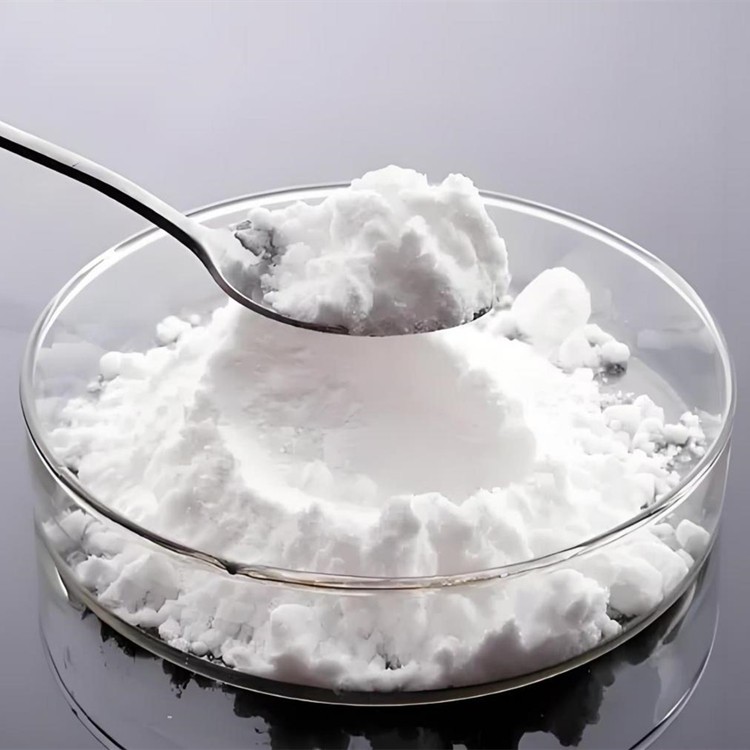

Basic Definition and pH
First off, alkalis are basically substances that can neutralize acids. When we talk about the pH scale, which ranges from 0 to 14, alkalis have a pH greater than 7. A pH of 7 is considered neutral, like pure water. The higher the pH value of an alkali, the more basic it is. For example, substances with a pH around 8 - 9 are considered weak alkalis, while those with a pH of 13 - 14 are strong alkalis. This property of being able to neutralize acids makes alkalis really useful in a whole bunch of applications.
Solubility in Water
Most alkalis are soluble in water. When an alkali dissolves in water, it releases hydroxide ions (OH⁻). This is what gives alkalis their basic properties. For instance, sodium hydroxide (NaOH), a well - known strong alkali, readily dissolves in water. The equation for its dissolution is NaOH(s) → Na⁺(aq) + OH⁻(aq). This solubility is crucial because it allows alkalis to be easily used in solutions for various chemical processes.
Reactivity with Acids
One of the most notable properties of alkalis is their reactivity with acids. When an alkali reacts with an acid, a neutralization reaction occurs. The general equation for this reaction is acid + alkali → salt + water. For example, when hydrochloric acid (HCl) reacts with sodium hydroxide (NaOH), the reaction is HCl(aq)+ NaOH(aq) → NaCl(aq)+ H₂O(l). This reaction is not only important in the laboratory but also in many industrial processes. In wastewater treatment, for example, alkalis are used to neutralize acidic wastewater before it is released into the environment.
Reactivity with Metals
Some alkalis can react with certain metals. For example, aluminum reacts with strong alkalis like sodium hydroxide. The reaction produces hydrogen gas and a salt. The equation for the reaction between aluminum and sodium hydroxide is 2Al(s)+ 2NaOH(aq)+ 6H₂O(l) → 2NaAl(OH)₄+ 3H₂(g). This reaction is used in some industrial processes to produce hydrogen gas and also has applications in metal cleaning and etching.
Hygroscopicity
Many alkalis are hygroscopic, which means they can absorb moisture from the air. Sodium hydroxide is a prime example. It can quickly absorb water vapor from the atmosphere, becoming a concentrated solution over time. This property needs to be taken into account during storage and handling. We need to store alkalis in sealed containers to prevent them from absorbing too much moisture, which could change their properties and make them less effective.
Types of Common Alkalis and Their Properties
Sodium Nitrite
Sodium Nitrite is an important alkali. It's a white to slightly yellowish crystalline powder. It's soluble in water and has a slightly alkaline reaction in solution. Sodium nitrite is used in a variety of industries, including the meat - processing industry as a preservative and color fixative. It also has applications in the chemical industry as an intermediate in the synthesis of various compounds.
Sodium Bicarbonate
Sodium Bicarbonate, also known as baking soda, is a weak alkali. It's a white crystalline powder that is soluble in water. When dissolved in water, it produces a slightly alkaline solution. Sodium bicarbonate is well - known for its use in baking as a leavening agent. It also has many household uses, such as cleaning and deodorizing. In addition, it can be used in medicine as an antacid to relieve heartburn and indigestion.
Light Soda Ash
Light Soda Ash, chemically known as sodium carbonate, is an important industrial alkali. It's a white, odorless powder that is soluble in water. Light soda ash has a relatively high pH in solution. It's widely used in the glass - making industry, as well as in the production of detergents, soaps, and paper. In the glass - making process, it helps to lower the melting point of silica, making it easier to shape the glass.
Applications Based on Properties
The properties of alkalis make them indispensable in a wide range of applications. In the manufacturing industry, alkalis are used in the production of paper, textiles, and glass. In the paper - making process, alkalis are used to break down the lignin in wood pulp, making it easier to separate the cellulose fibers. In the textile industry, alkalis are used for processes like mercerization, which improves the strength and luster of cotton fibers.
In the food industry, alkalis are used for various purposes. As mentioned earlier, sodium nitrite is used as a preservative in meat products, and sodium bicarbonate is used in baking. In the pharmaceutical industry, alkalis are used in the formulation of drugs. They can be used to adjust the pH of solutions, which is important for the stability and effectiveness of the drugs.
Safety Considerations
When dealing with alkalis, safety is of utmost importance. Strong alkalis can cause severe burns to the skin and eyes. They can also be harmful if inhaled or ingested. It's essential to wear appropriate protective equipment, such as gloves, goggles, and a respirator when handling strong alkalis. In case of contact with the skin or eyes, immediate and thorough rinsing with water is required, and medical attention should be sought.
Why Choose Our Alkalis
As an alkalis supplier, we take pride in offering high - quality alkalis with consistent properties. We understand the importance of these properties in your various applications. Whether you need alkalis for industrial manufacturing, food processing, or pharmaceutical production, we have the right products for you. Our alkalis are carefully tested to ensure they meet the required standards.
If you're in the market for alkalis, we'd love to have a chat with you. We can discuss your specific needs, provide samples if necessary, and offer competitive prices. Contact us to start a conversation about your alkalis procurement. We're here to help you get the best alkalis for your business.
References
- Atkins, P., & de Paula, J. (2006). Physical Chemistry. Oxford University Press.
- McMurry, J., & Fay, R. C. (2004). Chemistry. Pearson Prentice Hall.