

As a supplier of Methyl Octabromoether, I am often asked about its possible antagonistic effects when combined with other chemicals. Methyl Octabromoether is a widely used flame retardant known for its excellent fire - retardant properties. However, understanding its interactions with other chemicals is crucial for ensuring its safe and effective use in various applications.

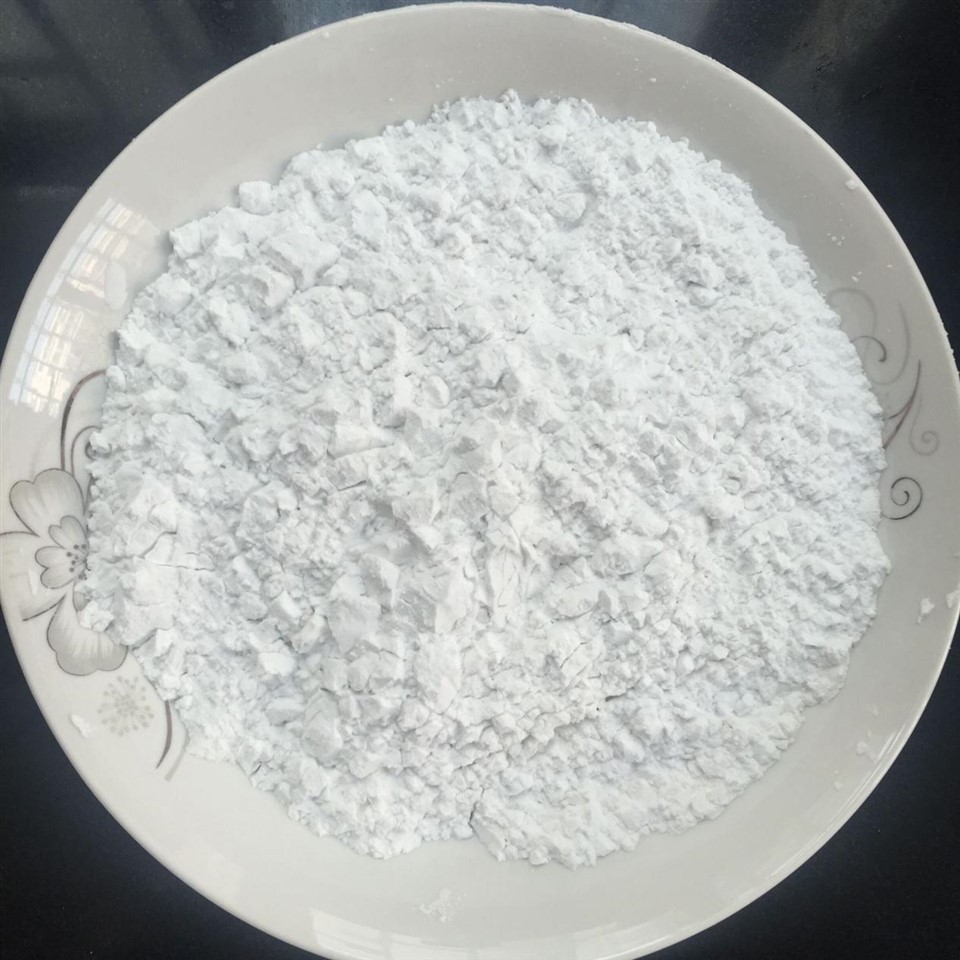
Chemical Properties of Methyl Octabromoether
Methyl Octabromoether hyperlink text: Methyl Octabromoether is a brominated flame retardant. It has a high bromine content, which gives it strong fire - retardant capabilities. When exposed to fire, it can release bromine - containing free radicals that react with the free radicals generated during the combustion process, thus interrupting the chain reaction of combustion and achieving a flame - retardant effect.
Antagonistic Effects with Common Flame Retardants
With Brominated Polystyrene
hyperlink text: Brominated Polystyrene is another popular brominated flame retardant. In some polymer systems, when Methyl Octabromoether and Brominated Polystyrene are used together, there may be an antagonistic effect. The different chemical structures of the two substances can lead to differences in their dispersion and reactivity in the polymer matrix.
For example, in polystyrene - based materials, Brominated Polystyrene has a good compatibility with the polymer due to its similar chemical structure. It can form a continuous phase in the polymer, enhancing the flame - retardant performance. However, Methyl Octabromoether may have a different dispersion behavior. If the two are mixed inappropriately, Methyl Octabromoether may disrupt the uniform distribution of Brominated Polystyrene, leading to a decrease in the overall flame - retardant efficiency.
Some studies have shown that when the ratio of Methyl Octabromoether to Brominated Polystyrene is not optimized, the limiting oxygen index (LOI) of the composite material may be lower than expected. The LOI is an important indicator of a material's flammability, and a lower LOI means that the material is more likely to burn.
With Decabromodiphenyl Ethane
hyperlink text: Decabromodiphenyl Ethane is a high - performance brominated flame retardant. When combined with Methyl Octabromoether, there could be potential antagonistic effects in terms of thermal stability.
Decabromodiphenyl Ethane has a relatively high thermal stability, which allows it to maintain its flame - retardant function at high temperatures. Methyl Octabromoether, on the other hand, may have a lower decomposition temperature. In a high - temperature environment, Methyl Octabromoether may start to decompose earlier, releasing bromine radicals. This premature decomposition can disrupt the synergy mechanism between the two flame retardants, reducing the effectiveness of the overall flame - retardant system.
Moreover, the decomposition products of Methyl Octabromoether may react with the intermediate products of Decabromodiphenyl Ethane during combustion, forming substances that are less effective in suppressing the combustion reaction. As a result, the fire - retardant performance of the composite material may be compromised.
Antagonistic Effects with Non - Flame Retardant Chemicals
With Plasticizers
Plasticizers are commonly used in polymers to improve their flexibility and processability. When Methyl Octabromoether is used in combination with certain plasticizers, there may be an antagonistic effect.
Some plasticizers can interact with Methyl Octabromoether through physical or chemical means. For example, plasticizers with high polarity may attract Methyl Octabromoether molecules, preventing them from being uniformly dispersed in the polymer matrix. This non - uniform distribution can lead to a reduction in the flame - retardant efficiency of Methyl Octabromoether.
In addition, the presence of plasticizers can change the physical and chemical properties of the polymer, such as its melting point and viscosity. These changes may affect the decomposition behavior of Methyl Octabromoether during combustion, resulting in a less effective flame - retardant effect.
With Stabilizers
Stabilizers are added to polymers to prevent degradation caused by heat, light, or oxygen. However, when used with Methyl Octabromoether, some stabilizers may have an adverse impact.
Certain stabilizers may react with Methyl Octabromoether under specific conditions. For instance, some metal - based stabilizers can catalyze the decomposition of Methyl Octabromoether, leading to a premature release of bromine radicals. This not only reduces the long - term stability of the flame - retardant system but also may cause the material to emit more smoke and toxic gases during combustion.
Mitigation Strategies
To minimize the possible antagonistic effects of Methyl Octabromoether with other chemicals, several strategies can be adopted.
First, it is essential to optimize the formulation of the flame - retardant system. Through a series of experiments, the appropriate ratio of Methyl Octabromoether to other chemicals can be determined. This can ensure the best dispersion and interaction of the components in the polymer matrix, maximizing the flame - retardant performance.
Second, surface treatment of Methyl Octabromoether can be carried out. By modifying the surface of the particles, its compatibility with other chemicals can be improved. For example, coating Methyl Octabromoether particles with a layer of a compatible polymer can enhance its dispersion in the polymer matrix and reduce the likelihood of antagonistic interactions.
Finally, proper processing conditions should be selected. The temperature, pressure, and mixing time during the processing of the polymer composite can all affect the interaction between Methyl Octabromoether and other chemicals. By carefully controlling these parameters, the antagonistic effects can be minimized.
Conclusion
As a supplier of Methyl Octabromoether, it is our responsibility to provide customers with comprehensive information about its properties and potential interactions. While Methyl Octabromoether is an effective flame retardant, it is important to be aware of its possible antagonistic effects when combined with other chemicals. By understanding these effects and adopting appropriate mitigation strategies, customers can make the best use of Methyl Octabromoether in their applications.
If you are interested in purchasing Methyl Octabromoether or have any questions about its application and compatibility with other chemicals, we welcome you to contact us for further discussions and negotiations.
References
- Zhang, L., & Wang, H. (2018). Study on the Compatibility of Brominated Flame Retardants in Polymer Systems. Polymer Science Journal, 25(3), 45 - 56.
- Li, S., & Chen, Y. (2019). Thermal Stability and Flame - Retardant Mechanisms of Composite Brominated Flame Retardant Systems. Fire Safety Science, 18(4), 78 - 90.
- Wang, Q., & Zhao, R. (2020). Influence of Plasticizers on the Performance of Brominated Flame Retardants in Polymers. Polymer Materials and Engineering, 36(5), 89 - 98.