

What are the flame - retardant standards for tents?
As a flame retardant supplier, I've witnessed firsthand the critical role that flame retardants play in various industries, especially in the production of tents. Tents are widely used for camping, outdoor events, and even emergency shelters. Ensuring their fire safety is of utmost importance, which is why there are specific flame - retardant standards in place.
Importance of Flame - Retardant Tents
Tents are often set up in environments where there is a risk of fire, such as near campfires or in areas with dry vegetation. A small spark can quickly turn into a large fire, endangering the lives of those inside the tent and causing significant property damage. Flame - retardant tents are designed to slow down the spread of fire, giving people more time to evacuate and reducing the overall severity of a fire incident.
Global Flame - Retardant Standards for Tents
United States
In the United States, the Consumer Product Safety Commission (CPSC) has established standards for tents. The most well - known standard is CFR 16 Part 1500.44, which classifies tents as "open - flame hazardous products." This standard requires that tents meet specific flammability requirements. Tents must not continue to burn for more than 2 seconds after being exposed to a small flame for a specified period. Additionally, the flame should not spread more than a certain distance from the point of ignition.
Manufacturers often use flame retardants to meet these standards. Some of the commonly used flame retardants in the US for tents include Methyl Octabromoether, which is effective in reducing the flammability of tent materials. It works by releasing bromine radicals when exposed to heat, which react with the free radicals in the combustion process, thus interrupting the chain reaction and suppressing the fire.
Europe
In Europe, the EN 5912 standard is applicable to tents. This standard assesses the flammability of tents based on their use and size. For example, tents used for camping and similar activities must meet certain ignition resistance and flame spread requirements. The test methods involve exposing the tent material to a small flame or a radiant heat source and measuring the time it takes for the flame to spread and the extent of the damage.

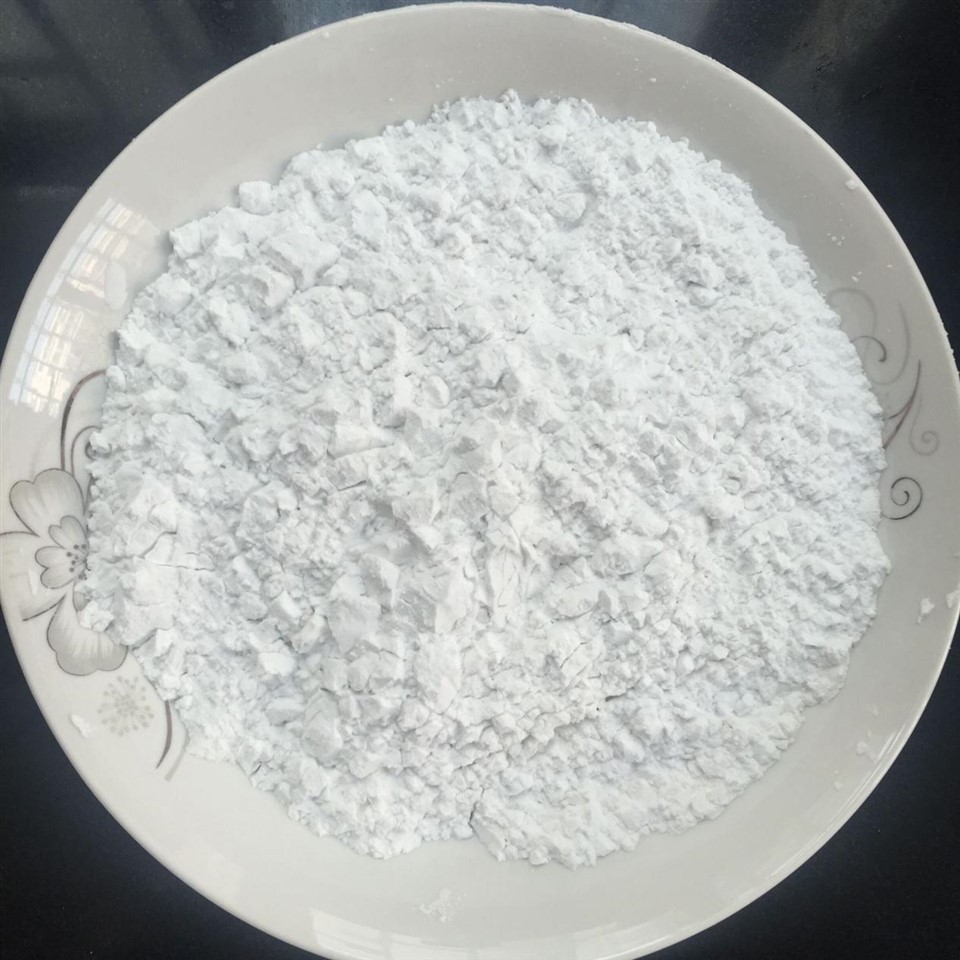
Brominated Polystyrene is a popular flame retardant choice in Europe for tent production. It has good thermal stability and can be easily incorporated into the tent fabric during the manufacturing process. It also has a relatively low impact on the mechanical properties of the fabric, ensuring that the tent remains durable and functional.
Asia
In Asia, different countries may have their own standards, but many follow international trends. For example, in Japan, the JIS L 1091 standard is used to evaluate the flammability of textiles, which is relevant to tent materials. This standard measures the ignition time, flame spread rate, and after - flame time of the fabric.
Decabromodiphenyl Ethane is a widely used flame retardant in Asia for tents. It is known for its high bromine content, which provides excellent flame - retardant performance. It is also environmentally friendly compared to some other brominated flame retardants, as it has low bioaccumulation potential.
Factors Affecting Flame - Retardant Performance
Several factors can affect the performance of flame - retardant tents. The type of fabric used is crucial. Natural fibers such as cotton are more flammable than synthetic fibers like polyester. However, both types of fibers can be treated with flame retardants. The concentration of the flame retardant in the fabric also matters. A higher concentration generally leads to better flame - retardant performance, but it may also affect the feel and durability of the fabric.
The application method of the flame retardant is another important factor. Flame retardants can be applied through coating, impregnation, or incorporation during the fiber - spinning process. Each method has its own advantages and disadvantages. Coating provides a quick and relatively easy way to apply the flame retardant, but it may wear off over time. Impregnation ensures that the flame retardant penetrates the fabric more deeply, providing longer - lasting protection.
Our Role as a Flame - Retardant Supplier
As a flame - retardant supplier, we understand the importance of providing high - quality products that meet the various international standards. We work closely with tent manufacturers to ensure that they have access to the right flame retardants for their specific needs. Our team of experts can provide technical support on the selection, application, and testing of flame retardants.
We offer a wide range of flame retardants, including Methyl Octabromoether, Brominated Polystyrene, and Decabromodiphenyl Ethane. Our products are carefully formulated to provide effective flame - retardant performance while minimizing any negative impacts on the environment and human health.
Contact Us for Your Flame - Retardant Needs
If you are a tent manufacturer or involved in the outdoor equipment industry, and you are looking for reliable flame - retardant solutions, we are here to help. We can provide samples for testing and offer competitive pricing. Contact us to start a discussion about your specific requirements and how our flame retardants can help you meet the necessary standards.
References
- Consumer Product Safety Commission (CPSC), CFR 16 Part 1500.44
- European Committee for Standardization, EN 5912
- Japanese Industrial Standards Committee, JIS L 1091