

Hey there! As a chloride supplier, I've seen firsthand how chloride can have a big impact on the corrosion of metals. In this blog post, I'm gonna break down how chloride influences metal corrosion, why it matters, and what you can do about it.
Let's start with the basics. Corrosion is a natural process that occurs when metals react with their environment. It's like when you leave a piece of iron outside, and it starts to rust. That rust is a result of the iron reacting with oxygen and water in the air. But chloride can really speed up this process.
Chloride ions are everywhere. They're in seawater, de - icing salts, and even in some industrial processes. When these chloride ions come into contact with metals, they can cause some serious problems.
One of the main ways chloride affects metal corrosion is by breaking down the protective oxide layer that forms on the surface of many metals. Metals like stainless steel form a thin oxide layer that acts as a barrier, protecting the metal from further oxidation. However, chloride ions are very aggressive. They can penetrate this oxide layer, creating tiny holes or pits. Once these pits form, it's like opening the floodgates. More chloride ions can get in, and the corrosion process accelerates.
Let's take a look at some real - world examples. In coastal areas, where the air is filled with salt spray, metal structures like bridges and buildings are at a high risk of corrosion. The chloride in the salt spray attacks the metal, causing pitting corrosion. Over time, this can weaken the structure and compromise its safety.
Another common scenario is the use of de - icing salts on roads during the winter. These salts often contain chloride, such as sodium chloride or calcium chloride. When the salt is spread on the roads, it can splash onto cars and other vehicles. The chloride can then corrode the metal parts of the vehicle, like the frame and the undercarriage.
Now, as a chloride supplier, you might be wondering why I'm talking so much about the negative effects of chloride on metal corrosion. Well, it's important to understand these effects so that we can use chloride safely and effectively.
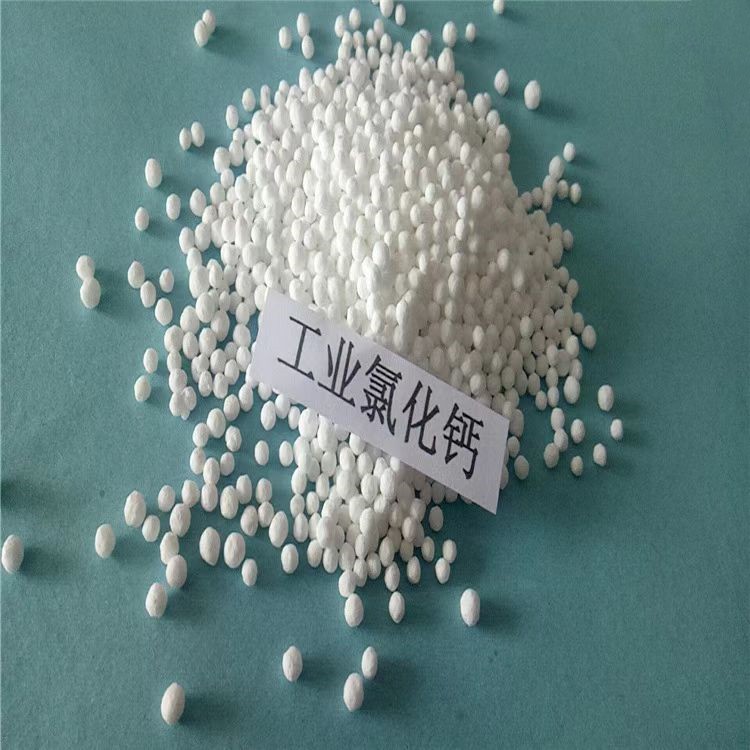
At our company, we offer a variety of chloride products, including Calcium Chloride Prills, Calcium Chloride Dihydrate Flake, and Calcium Chloride Dihydrate Powder. These products have many useful applications, but it's crucial to be aware of their potential impact on metal corrosion.
For example, calcium chloride is widely used in de - icing because it's very effective at melting ice and snow. But if it's not used properly, it can cause corrosion to vehicles and infrastructure. That's why we always recommend following best practices when using our chloride products.
One way to mitigate the effects of chloride on metal corrosion is through proper coating and protection. Applying a high - quality paint or coating to the metal surface can create an additional barrier between the metal and the chloride ions. This can slow down the corrosion process significantly.
Another approach is to use corrosion inhibitors. These are chemicals that can be added to the environment or the metal surface to reduce the rate of corrosion. There are many different types of corrosion inhibitors available, and they work in different ways. Some inhibitors form a protective film on the metal surface, while others react with the chloride ions to neutralize their corrosive effects.

In industrial settings, monitoring and maintenance are also key. Regularly inspecting metal structures for signs of corrosion and taking corrective action can prevent small problems from turning into big ones. This might involve cleaning the metal surface to remove chloride deposits or repairing any damaged coatings.
So, why should you choose our chloride products? Well, we're committed to providing high - quality chloride products that meet your specific needs. Our products are carefully manufactured to ensure purity and consistency. And we're always here to offer advice on how to use our products safely and effectively, especially when it comes to minimizing the risk of metal corrosion.
If you're in the market for chloride products, whether it's for de - icing, industrial processes, or other applications, we'd love to hear from you. We can work with you to understand your requirements and recommend the best product for your situation. Don't hesitate to reach out to us to start a conversation about your chloride needs.
In conclusion, chloride can have a significant influence on the corrosion of metals. But with the right knowledge and precautions, we can use chloride products safely and still enjoy their many benefits. Whether you're dealing with coastal structures, vehicles, or industrial equipment, understanding how chloride affects metal corrosion is essential for long - term durability and safety.
If you have any questions or if you're interested in learning more about our chloride products, feel free to contact us. We're here to help you make the best decisions for your business.
References
- Fontana, M. G. (1986). Corrosion Engineering. McGraw - Hill.
- Uhlig, H. H., & Revie, R. W. (1985). Corrosion and Corrosion Control. Wiley - Interscience.