

Hey there! As a supplier of Sodium Hydroxide, I've been getting a lot of questions lately about its environmental impacts. So, I thought I'd take a deep dive into this topic and share what I've learned.
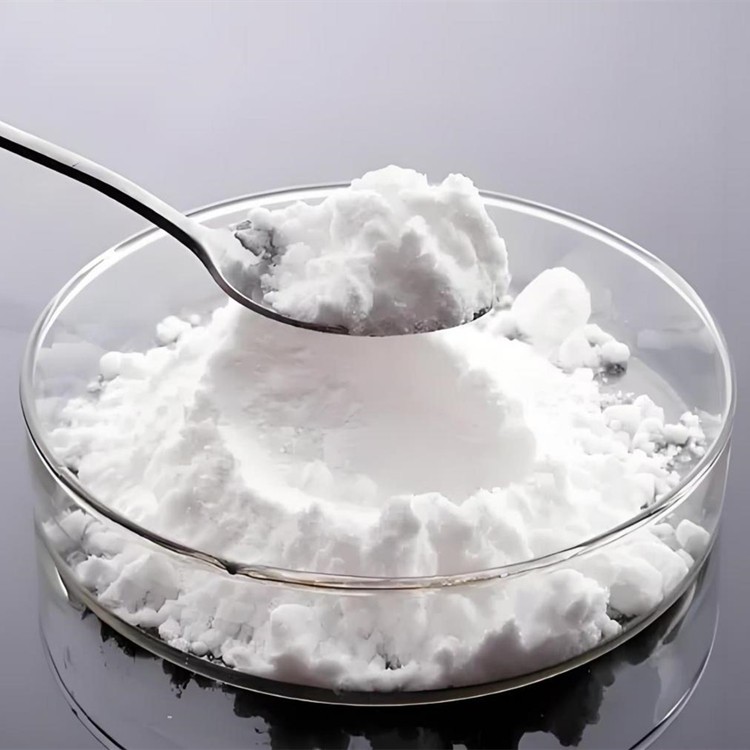
First off, let's talk a bit about what Sodium Hydroxide is. It's a highly caustic and reactive chemical, also known as lye or caustic soda. It's used in a whole bunch of industries, from paper and pulp manufacturing to soap and detergent production, and even in water treatment plants. You can find more detailed info about it here.
Positive Environmental Impacts
Water Treatment
One of the big pluses of Sodium Hydroxide is its role in water treatment. It helps adjust the pH levels of water, making it less acidic. In industrial wastewater, for example, many processes can make the water too acidic. By adding Sodium Hydroxide, we can neutralize the acid and bring the water's pH back to a more acceptable level. This is super important because acidic water can be harmful to aquatic life and can also corrode pipes and infrastructure. Once the water is treated, it can be safely released back into the environment or reused in the industrial process, which saves a ton of water resources.
Recycling Processes
Sodium Hydroxide is also used in recycling, especially in the recycling of aluminum. When recycling aluminum, the metal is often coated with paint, grease, or other contaminants. Sodium Hydroxide can be used to strip these coatings off the aluminum, making it easier to melt and reuse. This reduces the need for mining new aluminum ore, which is a very energy - intensive and environmentally damaging process. By promoting recycling, Sodium Hydroxide helps conserve natural resources and reduce the carbon footprint associated with aluminum production.
Negative Environmental Impacts
Production - Related Impacts
The production of Sodium Hydroxide isn't exactly a walk in the park for the environment. One of the most common methods of producing it is the chlor - alkali process. In this process, large amounts of electricity are required. Most of the electricity we generate comes from fossil fuels, like coal and natural gas. Burning these fossil fuels releases greenhouse gases, such as carbon dioxide, into the atmosphere, contributing to global warming.
Also, during the chlor - alkali process, chlorine gas is produced as a by - product. Chlorine is a highly toxic gas. If it's not properly managed and leaks into the environment, it can have serious health effects on humans and animals. It can cause respiratory problems, eye irritation, and even death in high concentrations. And in the environment, it can react with other chemicals to form harmful compounds, like dioxins, which are persistent organic pollutants.
Spills and Releases
Accidental spills of Sodium Hydroxide can be a real nightmare for the environment. Since it's a highly caustic substance, it can cause severe damage to soil and water. When it spills on the soil, it can change the soil's pH, making it too alkaline for most plants to grow. This can lead to a loss of vegetation in the affected area, which in turn can cause soil erosion.
If Sodium Hydroxide gets into water bodies, it can have a huge impact on aquatic life. The high alkalinity can burn the gills of fish and other aquatic organisms, making it difficult for them to breathe. It can also disrupt the delicate balance of the aquatic ecosystem by killing off certain species of plants and animals, which can have a cascading effect on the entire food chain.
Disposal Issues
Disposing of Sodium Hydroxide waste is also a challenge. If it's not disposed of properly, it can contaminate groundwater. Groundwater is a major source of drinking water for many communities, and contamination can pose a serious health risk. Additionally, the waste often contains other impurities and by - products from the industrial processes where it was used. These impurities can further exacerbate the environmental problems if they're released into the environment.
Comparing with Other Sodium Compounds
Let's take a quick look at how Sodium Hydroxide stacks up against other sodium compounds, like Sodium Bicarbonate and Sodium Nitrate.
Sodium Bicarbonate, also known as baking soda, is a much milder compound. It's commonly used in cooking, cleaning, and even as an antacid. Unlike Sodium Hydroxide, it's not highly caustic, so it's much safer to handle and has fewer environmental risks associated with spills. Its production also generally requires less energy and has a lower carbon footprint.
Sodium Nitrate is often used as a fertilizer and in the production of explosives. While it has its own set of environmental impacts, such as the risk of water pollution from runoff in agricultural use, it doesn't have the same caustic properties as Sodium Hydroxide. So, the immediate damage it can cause in case of a spill is less severe.
Mitigating the Environmental Impacts
As a Sodium Hydroxide supplier, I'm well aware of these environmental issues, and I'm committed to doing my part to mitigate them.

Cleaner Production Methods
We're constantly looking into more environmentally friendly production methods. For example, there are new technologies emerging that use renewable energy sources in the chlor - alkali process. By switching to solar, wind, or hydroelectric power, we can significantly reduce the carbon emissions associated with Sodium Hydroxide production.
Safety Measures
To prevent spills and releases, we implement strict safety protocols. Our storage facilities are designed to contain any potential spills, and our transportation methods are carefully regulated. We also provide training to our customers on how to handle Sodium Hydroxide safely, so they can minimize the risk of environmental damage at their end.
Waste Management
We're working on better waste management solutions. This includes recycling and reusing Sodium Hydroxide waste whenever possible. For example, in some cases, the waste can be treated and used in less - sensitive industrial processes. And when disposal is necessary, we make sure it's done in accordance with all environmental regulations.
Wrapping Up and a Call to Action
So, as you can see, Sodium Hydroxide has both positive and negative environmental impacts. While it plays an important role in many industries and has some environmental benefits, we also need to be aware of its potential harm and take steps to minimize it.
If you're in an industry that uses Sodium Hydroxide, I encourage you to reach out to us. We can work together to find the most environmentally friendly solutions for your Sodium Hydroxide needs. Whether it's discussing more sustainable production methods, better handling practices, or waste management strategies, we're here to help. We believe that by working together, we can make the use of Sodium Hydroxide more sustainable and reduce its environmental footprint.
Let's have a chat about how we can make your operations more environmentally friendly while still meeting your business needs. Feel free to get in touch to start the conversation about your Sodium Hydroxide procurement.
References
- "Environmental Chemistry" by Stanley E. Manahan
- Journal of Environmental Science and Technology articles on Sodium Hydroxide production and use
- Reports from environmental agencies on industrial chemical impacts