

Desalination, the process of removing salt and other impurities from seawater or brackish water to make it suitable for human consumption and other uses, has become an increasingly important solution to the global water shortage. As a supplier of sodium chloride, I often receive inquiries about whether sodium chloride can be used in the desalination process. In this blog post, I will explore this question in detail and provide insights based on scientific knowledge and industry experience.
Understanding the Desalination Process
Before delving into the role of sodium chloride in desalination, it is essential to understand the different desalination methods commonly used today. The two main types of desalination processes are thermal desalination and membrane desalination.
Thermal desalination methods, such as multi - stage flash distillation (MSF) and multi - effect distillation (MED), rely on heating the saline water to produce steam, which is then condensed to obtain fresh water. These processes mimic the natural water cycle, where water evaporates from the surface of the ocean and then condenses in the atmosphere to form rain.
Membrane desalination, on the other hand, uses semi - permeable membranes to separate salt and other impurities from water. Reverse osmosis (RO) is the most widely used membrane desalination technology. In RO, pressure is applied to the saline water, forcing it through a membrane that allows water molecules to pass through while blocking the passage of salt and other dissolved solids.
Sodium Chloride in the Context of Desalination
Sodium chloride (NaCl), commonly known as table salt, is the most abundant salt in seawater, accounting for approximately 85% of the total dissolved salts. In the desalination process, the primary goal is to remove sodium chloride and other salts from the water, not to add it.
In thermal desalination processes, sodium chloride and other salts are left behind as the water evaporates. The concentrated brine that remains after the evaporation process contains a high concentration of sodium chloride, along with other minerals and impurities. This brine is typically discharged back into the ocean, which can have environmental impacts if not properly managed.
In membrane desalination, the semi - permeable membranes are designed to reject sodium chloride and other salts. The membranes have pores that are small enough to prevent the passage of salt ions while allowing water molecules to pass through. The efficiency of the membrane in rejecting sodium chloride is a critical factor in the performance of the reverse osmosis system.
Indirect Uses of Sodium Chloride in Desalination
Although sodium chloride is not directly used in the desalination process to remove salt from water, it can have some indirect applications.

One such application is in the regeneration of ion - exchange resins used in some pre - treatment processes of desalination plants. Ion - exchange resins are used to remove specific ions, such as calcium, magnesium, and heavy metals, from the water before it enters the desalination unit. These resins can become saturated with the removed ions over time and need to be regenerated. Sodium chloride solutions are commonly used for the regeneration of cation - exchange resins. When a sodium chloride solution is passed through the resin, the sodium ions replace the calcium, magnesium, and other cations that have been adsorbed onto the resin, restoring its ion - exchange capacity.
Other Chloride Compounds in Desalination
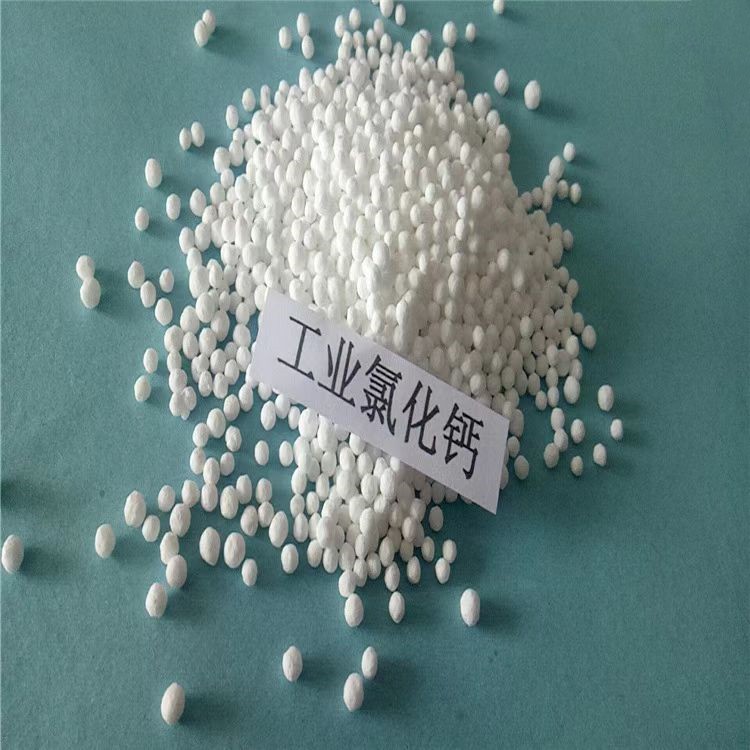
As a sodium chloride supplier, I also offer other chloride compounds that may have applications in the desalination industry. For example, Calcium Chloride Powder and Calcium Chloride Prills can be used in some pre - treatment processes. Calcium chloride can be added to the water to adjust the pH and hardness, which can help prevent scaling and fouling in the desalination equipment.
Potassium Chloride is another chloride compound that may have potential applications in desalination. In some cases, potassium chloride can be used as a substitute for sodium chloride in certain chemical processes or as a nutrient source in the post - treatment of desalinated water to improve its taste and quality.
Environmental Considerations
The desalination process, especially the discharge of concentrated brine, has raised environmental concerns. The high concentration of sodium chloride and other salts in the brine can have a negative impact on marine ecosystems. It can change the salinity, temperature, and oxygen levels in the surrounding water, which can harm marine life.
To mitigate these environmental impacts, desalination plants are increasingly implementing measures such as dilution of the brine before discharge, using diffusers to disperse the brine more evenly in the ocean, and exploring alternative disposal methods such as deep - sea injection or land - based disposal.
Conclusion
In conclusion, sodium chloride is not directly used in the desalination process to remove salt from water. Instead, the focus of desalination is on separating sodium chloride and other salts from the water to produce fresh water. However, sodium chloride can have some indirect applications in the pre - treatment and post - treatment processes of desalination plants.
As a supplier of sodium chloride and other chloride compounds, I understand the importance of providing high - quality products that meet the specific needs of the desalination industry. Whether you are looking for sodium chloride for ion - exchange resin regeneration or other chloride compounds for pre - treatment or post - treatment processes, I am here to assist you.
If you are interested in learning more about our products or discussing potential applications in the desalination industry, I encourage you to reach out for a procurement negotiation. I am confident that we can provide you with the right solutions to meet your requirements.
References
- Elimelech, M., & Phillip, W. A. (2011). The future of seawater desalination: energy, technology, and the environment. Science, 333(6043), 712 - 717.
- Lattemann, S., & Höpner, T. (2008). Environmental impact and impact assessment of seawater desalination. Desalination, 220(1 - 3), 1 - 15.
- Nghiem, L. D., Schäfer, A. I., & Elimelech, M. (2012). Forward osmosis: Principles, applications, and recent developments. Journal of Membrane Science, 411 - 412, 1 - 21.