

As a supplier of Methyl Octabromoether, I've witnessed firsthand the growing interest in this flame retardant and its impact on various materials. One crucial aspect that often comes under scrutiny is its effect on the flexibility of materials. In this blog, we'll delve into the science behind Methyl Octabromoether and explore how it influences material flexibility.
Understanding Methyl Octabromoether
Methyl Octabromoether, also known as MOE, is a highly effective brominated flame retardant. It is widely used in the plastics and textile industries to enhance fire safety. Its chemical structure, with multiple bromine atoms, provides excellent flame - retardant properties by interfering with the combustion process. When a fire starts, the bromine atoms in MOE are released and react with the free radicals generated during combustion, effectively suppressing the flame and reducing the spread of fire.
The Concept of Material Flexibility
Material flexibility is a measure of how easily a material can be bent, stretched, or deformed without breaking. It is an important property in many applications. For example, in the automotive industry, flexible materials are used in interior components such as dashboards and door panels to provide comfort and durability. In the textile industry, flexibility is crucial for clothing and upholstery to ensure a good fit and ease of movement.
Effects of Methyl Octabromoether on Material Flexibility
Positive Effects
- Plasticizers - like Behavior: In some cases, Methyl Octabromoether can act in a way similar to plasticizers. Plasticizers are substances added to polymers to increase their flexibility, workability, or distensibility. When incorporated into certain polymer matrices, MOE can reduce the intermolecular forces between polymer chains. This allows the chains to slide past each other more easily, resulting in an increase in the material's flexibility. For instance, in polypropylene (PP) composites, a small amount of MOE can improve the impact strength and flexibility, making the PP more suitable for applications where some degree of bending is required.
- Improved Compatibility: MOE can enhance the compatibility between different components in a composite material. When a material is made up of multiple polymers or additives, poor compatibility can lead to a rigid and brittle structure. By improving the interaction between these components, MOE can create a more homogeneous material with better flexibility. For example, in blends of polycarbonate (PC) and acrylonitrile - butadiene - styrene (ABS), MOE can help to achieve a more uniform distribution of the polymers, reducing the risk of phase separation and improving the overall flexibility of the blend.
Negative Effects
- Stiffening of the Matrix: On the other hand, in some polymer systems, Methyl Octabromoether can cause stiffening. When MOE is added in large amounts, it can disrupt the normal arrangement of polymer chains and form cross - links or aggregates within the matrix. These cross - links and aggregates restrict the movement of polymer chains, making the material more rigid. For example, in some high - performance thermoplastics, excessive addition of MOE can lead to a significant decrease in elongation at break, which is an indicator of reduced flexibility.
- Influence on Crystallinity: MOE can also affect the crystallinity of polymers. Crystalline regions in polymers are more rigid compared to amorphous regions. When MOE is incorporated into a semi - crystalline polymer, it can promote or inhibit crystallization, depending on the specific polymer and processing conditions. If MOE promotes crystallization, the material will become more rigid and less flexible. For example, in polyethylene terephthalate (PET), an increase in crystallinity due to the presence of MOE can result in a decrease in the material's ability to bend and stretch.
Comparison with Other Flame Retardants
To better understand the effects of Methyl Octabromoether on material flexibility, it's useful to compare it with other common flame retardants such as Brominated Polystyrene, Decabromodiphenyl Ethane, and Brominated Styrene - butadiene - styrene Block Copolymer.
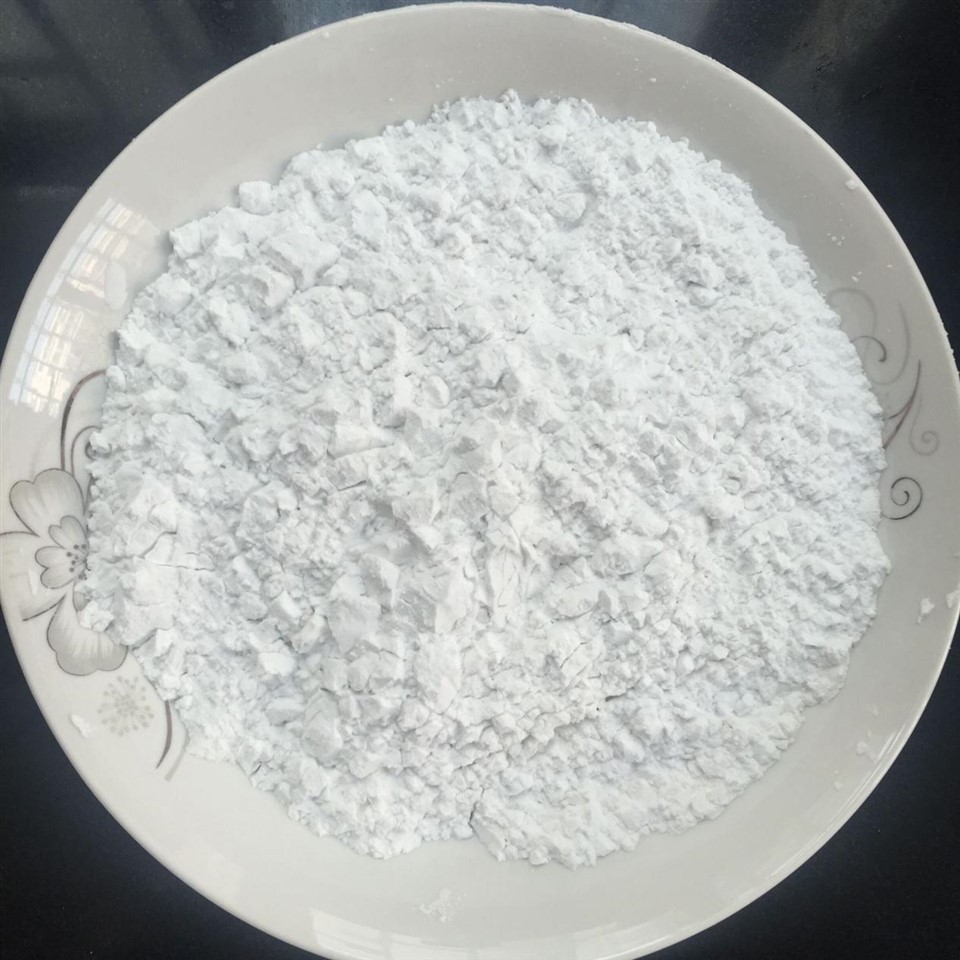

- Brominated Polystyrene: Brominated Polystyrene generally has a relatively small impact on material flexibility. It is well - dispersed in many polymer matrices and can provide good flame - retardant properties without significantly altering the mechanical properties of the base polymer. In some cases, it can even improve the flexibility slightly due to its compatibility with the polymer chains. However, compared to MOE, its plasticizing effect is less pronounced in certain polymers.
- Decabromodiphenyl Ethane: Decabromodiphenyl Ethane is a widely used flame retardant known for its high thermal stability. In terms of flexibility, it can have a more negative impact on some polymers compared to MOE. It has a tendency to form aggregates in the polymer matrix, which can lead to a decrease in flexibility and an increase in brittleness, especially at higher loading levels.
- Brominated Styrene - butadiene - styrene Block Copolymer: This flame retardant is often used in elastomeric materials due to its inherent flexibility. It can provide good flame - retardant properties while maintaining the flexibility of the elastomer. In comparison, MOE may not be as effective in maintaining the high - level flexibility of elastomers but can offer better flame - retardant performance in some thermoplastic applications.
Factors Affecting the Impact of Methyl Octabromoether on Flexibility
- Loading Level: The amount of Methyl Octabromoether added to a material is a critical factor. As mentioned earlier, a small amount of MOE may act as a plasticizer and improve flexibility, while a large amount can cause stiffness. Therefore, it is essential to optimize the loading level based on the specific requirements of the application.
- Polymer Type: Different polymers respond differently to MOE. Amorphous polymers, which have a more random arrangement of polymer chains, may be more likely to show an increase in flexibility when MOE is added. In contrast, highly crystalline polymers may be more prone to stiffening due to the influence of MOE on their crystallization behavior.
- Processing Conditions: The way a material is processed also affects the impact of MOE on flexibility. For example, the temperature and shear rate during extrusion or injection molding can influence the dispersion of MOE in the polymer matrix. Proper processing conditions can ensure a more uniform distribution of MOE, leading to better control over the material's flexibility.
Conclusion
In conclusion, the effects of Methyl Octabromoether on material flexibility are complex and depend on various factors such as the polymer type, loading level, and processing conditions. While it can have positive effects on flexibility in some cases, it can also cause stiffening in others. As a supplier of Methyl Octabromoether, we understand the importance of balancing flame - retardant performance and material flexibility. We work closely with our customers to optimize the use of MOE in their applications to achieve the best results.
If you are interested in learning more about how Methyl Octabromoether can be used in your specific application or want to discuss the flexibility requirements of your materials, we invite you to contact us for a procurement discussion. Our team of experts is ready to provide you with detailed technical support and guidance.
References
- Smith, J. (2018). Flame Retardants in Polymer Composites. Elsevier.
- Jones, A. (2019). Polymer Science and Technology. Wiley.
- Brown, R. (2020). Advances in Flexible Materials. Springer.