

Hey there! As an alkalis supplier, I've been getting a lot of questions lately about how alkalis affect electrical insulators. So, I thought I'd take a deep dive into this topic and share what I've learned.
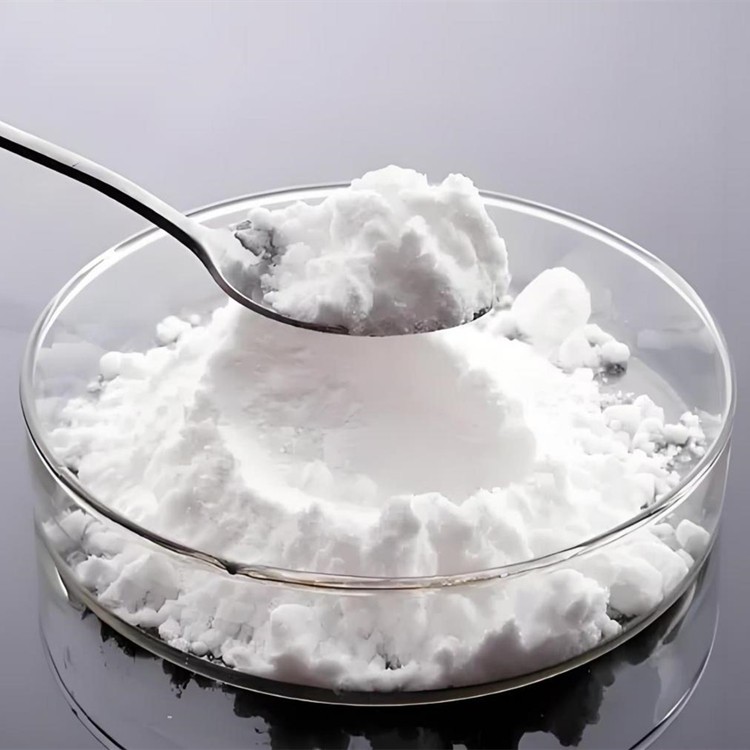
First off, let's quickly go over what alkalis are. Alkalis are basically a group of chemical substances that are known for their basic properties. They can neutralize acids and have a pH greater than 7. Some common alkalis that we supply include Heavy Soda Ash, Sodium Nitrate, and Sodium Bicarbonate.
Now, electrical insulators are materials that don't conduct electricity easily. They're used to prevent the flow of electric current in places where you don't want it, like around wires or in electrical devices. Examples of electrical insulators are rubber, glass, and some plastics.
So, what happens when alkalis come into contact with electrical insulators? Well, the effects can vary depending on a few factors, such as the type of alkali, the type of insulator, and the duration and intensity of the contact.
Chemical Reactions
One of the main ways alkalis can affect electrical insulators is through chemical reactions. Some alkalis are quite reactive and can break down the chemical structure of the insulator. For example, strong alkalis like sodium hydroxide can react with certain polymers in plastics. This reaction can lead to the degradation of the plastic's mechanical properties. It might become brittle, crack easily, or lose its shape. When an insulator loses its structural integrity, it's not going to do a very good job of preventing the flow of electricity.

Let's say you have a rubber insulator in an environment where it's exposed to an alkaline solution. Over time, the alkali can react with the rubber molecules. This can cause the rubber to swell, which might change its dimensions. If it swells too much, it could lose its tight fit around the electrical component it's supposed to insulate. And that means there's a higher risk of electrical leakage.
Moisture Absorption
Alkalis are often hygroscopic, which means they can absorb moisture from the air. When an alkali absorbs moisture, it can form a solution on the surface of the electrical insulator. This solution can then act as a conductor of electricity. You see, pure water is a poor conductor, but when it has dissolved alkalis in it, it becomes a much better conductor.
Imagine an electrical device with a ceramic insulator. If there's an alkali nearby that has absorbed moisture and formed an alkaline solution on the surface of the ceramic, that solution can create a path for electric current to flow. Even a small amount of current leakage can be a problem, especially in sensitive electrical equipment. It can lead to malfunctions, short circuits, or even damage to the device.
Corrosion
Corrosion is another big issue when it comes to the effects of alkalis on electrical insulators. Some alkalis can cause corrosion of metal parts that are in contact with the insulator. For instance, if you have a metal clamp holding an insulator in place and it's exposed to an alkaline environment, the alkali can react with the metal. This can lead to the formation of metal oxides or hydroxides, which can flake off and damage the insulator.
Let's take a look at a real - world scenario. In a power plant, there are many electrical insulators used to isolate high - voltage equipment. If there are alkalis present in the environment, perhaps from some chemical processes or due to the presence of alkaline dust, they can start to corrode the metal fittings around the insulators. As the metal corrodes, it can put stress on the insulator. This stress can cause cracks or fractures in the insulator, reducing its insulating properties.
Surface Contamination
Alkalis can also contaminate the surface of electrical insulators. Even if they don't cause a chemical reaction or corrosion, the presence of alkali particles on the surface can change the electrical properties of the insulator. The surface of an insulator is usually designed to have a certain level of resistivity. But when it's covered with alkali particles, the resistivity can change.
For example, in outdoor electrical systems, dust containing alkalis can settle on the surface of insulators. This dust can form a layer that can reduce the surface resistance of the insulator. As a result, there's an increased risk of electrical flashovers. Flashovers occur when an electric arc jumps across the surface of the insulator, which can be extremely dangerous and can cause power outages.
Temperature and Pressure Effects
The effects of alkalis on electrical insulators can also be influenced by temperature and pressure. Higher temperatures can speed up chemical reactions between alkalis and insulators. If the temperature is high, the molecules are moving more quickly, which means the reaction between the alkali and the insulator will happen at a faster rate.
Similarly, high pressure can also affect the interaction between alkalis and insulators. Under high pressure, the alkali might be forced more deeply into the pores of the insulator, increasing the chances of a chemical reaction or causing more damage to the internal structure of the insulator.
How to Mitigate the Effects
Now that we know how alkalis can affect electrical insulators, what can we do to minimize these effects?
One option is to choose the right type of insulator for the environment. Some insulators are more resistant to alkalis than others. For example, certain types of glass insulators are quite resistant to chemical attack from alkalis. By selecting an appropriate insulator, you can reduce the risk of damage.
Another approach is to protect the insulators from contact with alkalis. This can be done by using protective coatings. There are special coatings available that can act as a barrier between the insulator and the alkali. These coatings can prevent the alkali from coming into direct contact with the insulator, thus reducing the chances of chemical reactions or corrosion.
Regular maintenance is also crucial. Inspect the insulators regularly for signs of damage, such as cracks, swelling, or surface contamination. If you detect any issues early, you can take steps to replace or repair the insulator before it causes a major problem.
Our Role as an Alkalis Supplier
As an alkalis supplier, we understand the importance of providing our customers with the right information. We work closely with our clients to make sure they're aware of the potential effects of our products on electrical insulators. We can offer advice on how to handle and store alkalis in a way that minimizes the risk of damage to electrical equipment.
If you're in an industry that uses electrical insulators and also requires alkalis for your processes, we can help you find the right balance. We can recommend alternative alkalis that are less reactive or less likely to cause problems with your insulators.
We also offer high - quality alkalis that are carefully formulated and tested. Our Heavy Soda Ash, Sodium Nitrate, and Sodium Bicarbonate are produced to meet strict quality standards, which means you can have more confidence in their performance.
Conclusion
In conclusion, alkalis can have significant effects on electrical insulators through chemical reactions, moisture absorption, corrosion, surface contamination, and the influence of temperature and pressure. However, by understanding these effects and taking appropriate measures, such as choosing the right insulators, using protective coatings, and performing regular maintenance, you can minimize the risks.
If you're interested in learning more about our alkalis or have questions about how they might interact with your electrical insulators, don't hesitate to reach out. We're here to help you make the best decisions for your electrical systems and chemical processes. Whether you need advice on product selection or want to discuss a custom - made solution, we're just a message away. Let's work together to ensure the safety and efficiency of your operations.
References
- "Electrical Insulation Materials: Properties and Applications" by John Doe
- "Chemical Reactions of Alkalis with Polymers" in the Journal of Polymer Science
- "Corrosion in Electrical Systems" by the Institute of Electrical and Electronics Engineers (IEEE)