

In the realm of chemical synthesis, Sodium Metabisulfite (Na₂S₂O₅) emerges as a multifaceted and indispensable reagent. As a trusted supplier of Sodium Metabisulfite, I've witnessed firsthand its remarkable versatility and the pivotal role it plays in various chemical processes. This blog aims to delve into the intricate workings of Sodium Metabisulfite in chemical synthesis, exploring its mechanisms, applications, and the benefits it brings to the table.
Chemical Structure and Properties
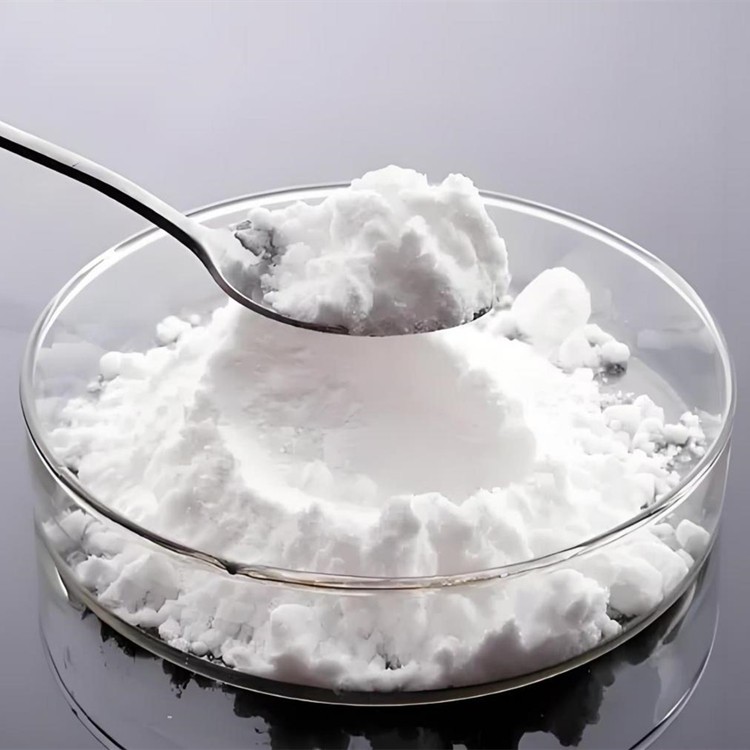
Sodium Metabisulfite exists as a white crystalline powder with a distinct sulfurous odor. Its chemical formula, Na₂S₂O₅, reveals a structure composed of two sodium cations (Na⁺) and a metabisulfite anion (S₂O₅²⁻). The metabisulfite anion consists of two sulfur atoms in the +4 oxidation state, each bonded to three oxygen atoms. This unique structure endows Sodium Metabisulfite with several key properties that make it well - suited for chemical synthesis.
One of the most notable properties of Sodium Metabisulfite is its reducing ability. In aqueous solutions, it readily dissociates to form bisulfite ions (HSO₃⁻) and sulfite ions (SO₃²⁻), which act as powerful reducing agents. These ions can donate electrons to other substances, thereby facilitating a wide range of redox reactions. Additionally, Sodium Metabisulfite is highly soluble in water, which allows for easy incorporation into various reaction mixtures.
Mechanisms of Action in Chemical Synthesis
Reducing Agent
As mentioned earlier, the reducing properties of Sodium Metabisulfite are central to its role in chemical synthesis. It can be used to reduce a variety of functional groups, such as aldehydes, ketones, and nitro compounds. For example, in the reduction of aldehydes and ketones, Sodium Metabisulfite reacts with the carbonyl group to form a bisulfite adduct. This adduct can then be further reduced or hydrolyzed to yield the corresponding alcohol or other desired products.
The reduction of nitro compounds to amines is another important application of Sodium Metabisulfite. In this reaction, the sulfite ions donate electrons to the nitro group, converting it to an amino group through a series of intermediate steps. This method offers a mild and selective way to reduce nitro compounds, which is particularly useful in the synthesis of pharmaceuticals and fine chemicals.
Antioxidant
In chemical synthesis, many reactants and products are susceptible to oxidation by air or other oxidizing agents. Sodium Metabisulfite acts as an effective antioxidant by scavenging free radicals and preventing the oxidation of sensitive compounds. It can react with oxygen and other oxidants in the reaction mixture, thereby protecting the desired products from degradation.
For instance, in the synthesis of polymers, Sodium Metabisulfite can be added to the reaction system to prevent the oxidation of monomers and the resulting polymers. By inhibiting oxidation, it helps to maintain the quality and stability of the polymers, ensuring their desired physical and chemical properties.
Bleaching Agent
Sodium Metabisulfite is also widely used as a bleaching agent in chemical synthesis. It can react with colored compounds, such as dyes and pigments, to break down their chromophores and reduce their color intensity. This property makes it useful in the purification and decolorization of various chemical products.
In the textile industry, for example, Sodium Metabisulfite is used to bleach fabrics and remove unwanted colors. In the food and beverage industry, it can be used to bleach sugar, starches, and other ingredients, improving their appearance and quality.
pH Regulator
In some chemical reactions, the pH of the reaction medium plays a crucial role in determining the reaction rate and the selectivity of the products. Sodium Metabisulfite can act as a pH regulator by releasing bisulfite ions in water, which can either donate or accept protons depending on the pH of the solution.
When added to an acidic solution, the bisulfite ions can react with protons to form sulfurous acid (H₂SO₃), thereby increasing the pH. Conversely, in a basic solution, the bisulfite ions can donate protons to the solution, lowering the pH. This ability to adjust the pH makes Sodium Metabisulfite a valuable tool in controlling the reaction conditions and optimizing the reaction outcomes.

Applications in Different Chemical Industries
Pharmaceutical Industry
In the pharmaceutical industry, Sodium Metabisulfite is used in a variety of synthesis processes. It can be employed as a reducing agent in the synthesis of antibiotics, anti - cancer drugs, and other pharmaceutical compounds. For example, in the synthesis of penicillin, Sodium Metabisulfite can be used to reduce certain intermediate compounds, improving the yield and purity of the final product.
It is also used as an antioxidant in pharmaceutical formulations to prevent the oxidation of active ingredients and excipients. By protecting the stability of the drugs, Sodium Metabisulfite helps to ensure their efficacy and safety.
Food and Beverage Industry
The food and beverage industry is one of the largest consumers of Sodium Metabisulfite. It is used as a preservative, antioxidant, and bleaching agent in a wide range of food products. As a preservative, it can inhibit the growth of microorganisms, such as bacteria and fungi, thereby extending the shelf life of food and beverages.
In the winemaking process, Sodium Metabisulfite is added to the grape juice to prevent oxidation and microbial spoilage. It also helps to clarify the wine by precipitating proteins and other impurities. In the production of dried fruits, it can be used to prevent browning and preserve the color and flavor of the fruits.
Water Treatment Industry
In the water treatment industry, Sodium Metabisulfite is used to remove chlorine and other oxidants from water. Chlorine is commonly used as a disinfectant in water treatment, but it can react with organic matter in the water to form harmful by - products. Sodium Metabisulfite can react with chlorine to form harmless salts, thereby reducing the concentration of chlorine in the water and improving its quality.
It is also used in the treatment of industrial wastewater to remove heavy metals and other pollutants. The reducing properties of Sodium Metabisulfite can help to convert heavy metals from their oxidized states to their reduced states, making them easier to precipitate and remove from the water.
Advantages of Using Sodium Metabisulfite in Chemical Synthesis
There are several advantages to using Sodium Metabisulfite in chemical synthesis. Firstly, it is a relatively inexpensive and readily available reagent, which makes it cost - effective for large - scale industrial applications. Secondly, it is a mild and selective reagent, which means that it can be used in a wide range of reaction conditions without causing excessive side reactions.
Thirdly, Sodium Metabisulfite is easy to handle and store. It is a stable solid at room temperature and can be stored for long periods without significant degradation. Finally, it is environmentally friendly compared to some other chemical reagents. It decomposes into harmless substances such as sulfur dioxide and sodium sulfate under normal conditions, minimizing its impact on the environment.
Conclusion
In conclusion, Sodium Metabisulfite is a versatile and powerful reagent in chemical synthesis. Its reducing, antioxidant, bleaching, and pH - regulating properties make it useful in a wide range of chemical reactions and industries. Whether it's in the pharmaceutical, food and beverage, or water treatment industry, Sodium Metabisulfite plays a crucial role in improving the quality and efficiency of chemical processes.
As a leading supplier of Sodium Metabisulfite, we are committed to providing high - quality Sodium Metabisulfite products to meet the diverse needs of our customers. If you are interested in purchasing Sodium Metabisulfite for your chemical synthesis processes or have any questions about its applications, please feel free to contact us for further discussion and negotiation. We look forward to working with you to achieve your chemical synthesis goals.
References
- Smith, J. K. (2015). Chemical Reagents in Organic Synthesis. Wiley - VCH.
- Brown, A. R. (2018). Handbook of Industrial Chemistry. CRC Press.
- Green, M. L. (2020). Antioxidants in Food and Beverage Industry. Elsevier.