

Chloride compounds play a multifaceted and crucial role in the paper industry. As a chloride supplier, I've witnessed firsthand how these substances contribute to various stages of paper production, from pulping to final finishing. In this blog, I'll explore the diverse applications of chloride in the paper industry, highlighting the benefits and specific compounds used.
Pulping Process
The pulping process is the first major step in paper production, where wood chips or other fibrous materials are broken down into pulp. Chloride compounds can be used in different pulping methods to enhance efficiency and quality.
In the kraft pulping process, which is one of the most common methods for producing high - strength paper, sodium chloride can be used in small amounts as a buffering agent. It helps to maintain the appropriate pH level in the cooking liquor. A stable pH is essential for the proper dissolution of lignin, the natural glue that binds cellulose fibers in wood. By controlling the pH, sodium chloride ensures that the delignification process occurs at an optimal rate, resulting in pulp with better strength and bleachability.
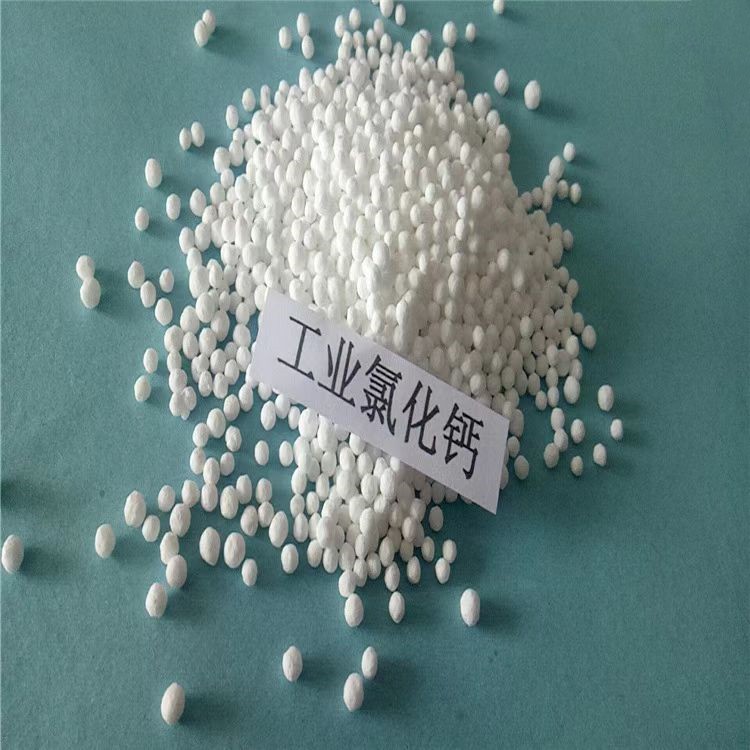
Calcium chloride, such as Calcium Chloride Dihydrate Flake and Calcium Chloride Prills, can also be used in the pulping process. Calcium chloride can act as a catalyst in some cases, accelerating the chemical reactions involved in breaking down the wood fibers. It can improve the solubility of certain components in the wood, making it easier to separate the cellulose from the lignin. This leads to a more efficient pulping process and can potentially reduce the energy consumption required for pulping.
Bleaching
Bleaching is another critical step in paper production, where the pulp is treated to remove color and improve the brightness of the final paper product. Chloride - based bleaching agents have been used for a long time in the paper industry.
Chlorine gas, which is a form of chloride, was traditionally used as a powerful bleaching agent. It reacts with the lignin and other colored substances in the pulp, oxidizing them and making them more soluble so that they can be washed away. However, due to environmental concerns, the use of elemental chlorine in bleaching has been significantly reduced in recent years. Instead, chlorine dioxide, which is also a chloride - containing compound, has become a popular alternative.
Chlorine dioxide is a selective bleaching agent. It preferentially attacks the lignin in the pulp while causing less damage to the cellulose fibers. This results in a higher - quality pulp with better strength and brightness. As a chloride supplier, we offer products that can be used to generate chlorine dioxide on - site in paper mills. Potassium chloride, for example, Potassium Chloride, can be used in the chemical reactions to produce chlorine dioxide. It provides the necessary chloride ions for the reaction, and its chemical properties make it a suitable raw material for this process.
Paper Coating
Paper coating is a process where a thin layer of coating material is applied to the surface of the paper to improve its printability, smoothness, and gloss. Chloride compounds can be used in the formulation of paper coatings.
Calcium chloride can be added to the coating formulation to improve the adhesion of the coating to the paper surface. It can react with other components in the coating, such as binders, to form a stronger bond between the coating and the paper fibers. This results in a more uniform and durable coating, which is essential for high - quality printing applications.
Sodium chloride can also be used in paper coatings. It can act as a plasticizer, which helps to improve the flexibility and workability of the coating material. By adjusting the amount of sodium chloride in the coating formulation, paper manufacturers can control the rheological properties of the coating, ensuring that it can be applied evenly and smoothly to the paper surface.
Strength and Sizing
In the paper industry, strength and sizing are important properties of the final paper product. Sizing is the process of making the paper resistant to the penetration of liquids, such as water and ink. Chloride compounds can contribute to both strength and sizing.
Calcium chloride can be used to improve the wet strength of paper. When added to the pulp during the papermaking process, it can form cross - links between the cellulose fibers. These cross - links increase the resistance of the paper to tearing and breaking when it is wet, which is particularly important for applications such as packaging paper and paper towels.
Sizing agents often contain chloride - based components. For example, some synthetic sizing agents use chloride - containing monomers in their synthesis. These sizing agents can form a hydrophobic layer on the surface of the paper fibers, preventing the penetration of liquids. This is crucial for ensuring good print quality and preventing ink from bleeding on the paper.

Environmental Considerations
While chloride compounds offer many benefits in the paper industry, it's important to consider the environmental impact. The use of elemental chlorine in bleaching has been a major concern due to the formation of toxic by - products, such as dioxins. However, the shift towards more environmentally friendly alternatives, such as chlorine dioxide and other chloride - based compounds with lower environmental risks, has been a positive development.
As a chloride supplier, we are committed to providing products that meet the highest environmental standards. We work closely with paper manufacturers to ensure that they use our products in a sustainable and responsible manner. By offering products that can be used in more efficient and environmentally friendly processes, we aim to help the paper industry reduce its environmental footprint while still achieving high - quality paper production.
Conclusion
In conclusion, chloride compounds have a wide range of applications in the paper industry, from pulping to final finishing. They contribute to various aspects of paper production, including pulping efficiency, bleaching, coating, strength, and sizing. As a chloride supplier, we understand the importance of these compounds in the paper industry and are dedicated to providing high - quality products that meet the specific needs of paper manufacturers.
If you are a paper manufacturer looking for reliable chloride products for your production processes, we invite you to contact us for more information and to discuss your procurement needs. Our team of experts is ready to assist you in finding the best solutions for your paper production requirements.
References
- "Handbook of Pulp and Paper Technology"
- "Principles of Paper Science and Technology"
- Industry reports on paper production and chemical usage