

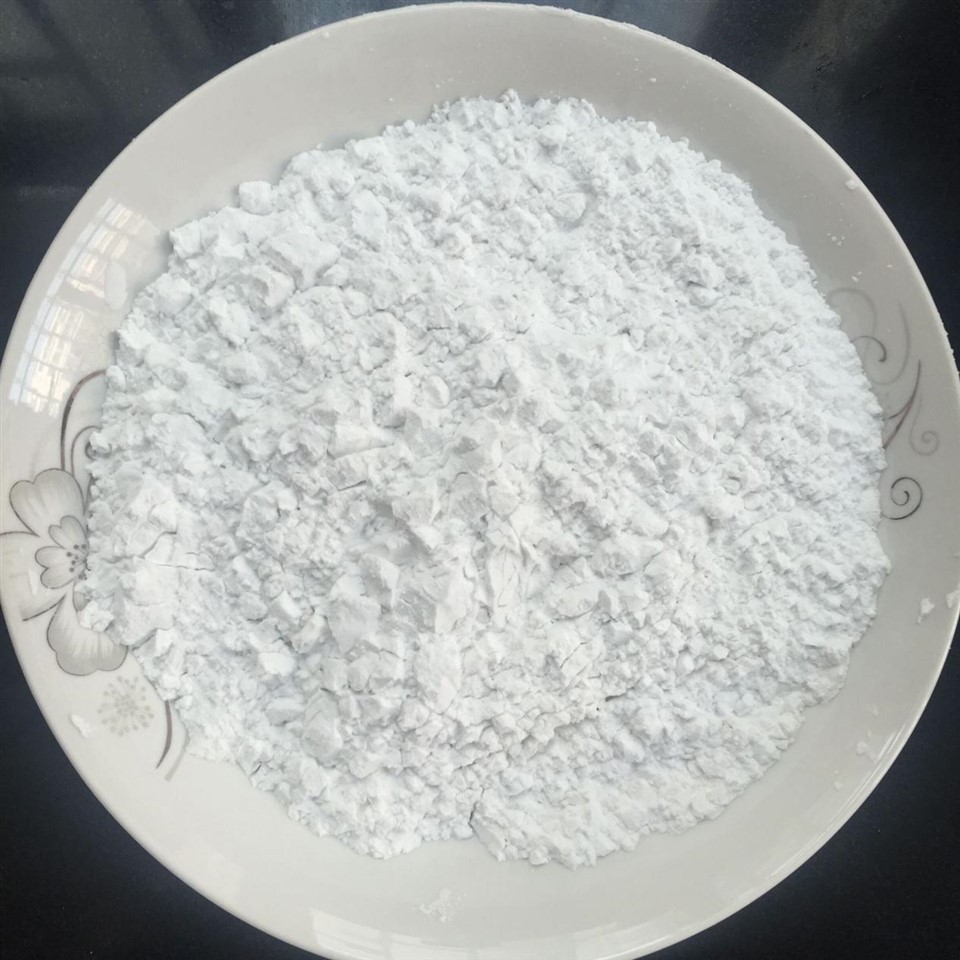
Brominated Polystyrene (BPS) is a well - recognized flame retardant in the polymer industry. As a leading supplier of Brominated Polystyrene, I have witnessed firsthand the importance of understanding how BPS interacts with additives in polymer formulations. This knowledge is crucial for optimizing the performance of polymer materials, ensuring their safety, and meeting various industry standards.
Compatibility with Antimony Trioxide
Antimony trioxide (Sb₂O₃) is one of the most common synergistic additives used in combination with BPS. When BPS decomposes under high - temperature conditions, it releases bromine radicals. These radicals react with antimony trioxide, forming antimony bromide compounds. The antimony bromide then acts as a gas - phase flame retardant, interfering with the combustion process by capturing free radicals and reducing the concentration of flammable gases.
In polymer formulations, the ratio of BPS to antimony trioxide is a critical factor. Generally, a ratio of around 3:1 to 2:1 (BPS:Sb₂O₃) is often used in many applications. However, this ratio may need to be adjusted depending on the type of polymer matrix, the desired level of flame retardancy, and other performance requirements. For example, in polyolefin polymers, a higher proportion of BPS may be required to achieve the same level of flame retardancy as in engineering plastics.
Interaction with Lubricants
Lubricants are added to polymer formulations to improve the processing properties of the polymers, such as reducing friction during extrusion or injection molding. When using BPS in polymer systems, the choice of lubricant can significantly affect the performance of the final product.
Some lubricants, like polyethylene wax or stearic acid - based lubricants, can have good compatibility with BPS. They can help to disperse BPS evenly in the polymer matrix, preventing agglomeration and improving the overall homogeneity of the composite. This results in better mechanical properties and more consistent flame retardancy.
However, certain reactive lubricants may react with BPS under specific processing conditions. For example, lubricants containing active functional groups may cause degradation of BPS, leading to a decrease in its flame - retardant effectiveness. Therefore, it is essential to select lubricants that are chemically inert towards BPS or have only minimal interactions.
Impact of Stabilizers
Stabilizers are used in polymer formulations to protect the polymers from degradation caused by heat, light, or oxygen. In the case of BPS - containing polymer systems, stabilizers can also play a role in maintaining the stability of BPS itself.
Heat stabilizers, such as organotin compounds or calcium - zinc stabilizers, can prevent the thermal decomposition of BPS during processing. When polymers are processed at high temperatures, BPS may start to decompose prematurely if there are no effective heat stabilizers present. This not only reduces the flame - retardant performance but also may lead to the formation of undesirable by - products.
UV stabilizers are also important, especially for polymers that are exposed to sunlight. BPS can be sensitive to UV radiation, and the presence of UV stabilizers can help to prevent the degradation of BPS, maintaining the long - term flame retardancy of the polymer material.
Interaction with Reinforcing Agents
Reinforcing agents, such as glass fibers or carbon fibers, are often added to polymer formulations to improve mechanical strength. When BPS is used in combination with these reinforcing agents, there are several aspects of interaction to consider.
On one hand, the presence of reinforcing agents can provide a physical barrier effect, which can enhance the overall flame - retardant performance of the polymer composite. The fibers can help to slow down the spread of flames and reduce the heat release rate. On the other hand, the surface treatment of the reinforcing agents needs to be carefully selected. Some surface sizing agents on glass fibers, for example, may react with BPS or affect its dispersion in the polymer matrix.
Proper dispersion of both BPS and the reinforcing agents in the polymer is crucial. Ineffective dispersion can lead to poor interfacial bonding between the polymer, BPS, and the reinforcing agents, resulting in reduced mechanical and flame - retardant properties.

Comparison with Other Flame Retardants
In polymer formulations, Brominated Polystyrene is sometimes compared with other flame retardants, such as Brominated Styrene - butadiene - styrene Block Copolymer and Methyl Octabromoether.
Brominated Styrene - butadiene - styrene Block Copolymer (B - SBS) has similar flame - retardant mechanisms to BPS but may offer better compatibility with certain rubber - based polymers. B - SBS can provide flexibility and toughness to the polymer materials while maintaining flame retardancy. In contrast, BPS is more commonly used in rigid polymer applications, such as engineering plastics and thermoplastics.
Methyl Octabromoether (MOE) is another brominated flame retardant. It has a different chemical structure and thermal stability compared to BPS. MOE may have a lower melting point, which can affect its processing behavior in polymer formulations. BPS, with its relatively high thermal stability, is more suitable for high - temperature processing polymers.
Applications and the Role of Additive Interaction
The understanding of how BPS interacts with additives is essential in various applications. In the electronics industry, where polymers are used for casing materials, the combination of BPS with stabilizers and other additives ensures that the products meet strict flame - retardant standards such as UL 94. The interaction between BPS and lubricants allows for smooth injection molding of complex electronic parts.
In the automotive industry, polymer composites containing BPS and reinforcing agents are used for interior and exterior components. The correct interaction between these components is necessary to achieve both high mechanical strength and excellent flame retardancy, which is crucial for passenger safety.
Customer Considerations
For customers in different industries, when formulating polymers with Brominated Polystyrene, it is important to consider the specific interaction effects of additives. If a customer is working on a new polymer formulation, a series of small - scale tests should be conducted to evaluate the performance of different additive combinations.
Our company, as a leading Brominated Polystyrene supplier, can provide technical support to help customers optimize their polymer formulations. We can offer detailed information on the interaction of BPS with various additives, and assist in selecting the most suitable additives based on the specific requirements of the customer's applications.
If you are interested in purchasing Brominated Polystyrene or need more information about its interaction with additives in polymer formulations, we welcome you to contact us for further discussion and negotiation. Our team of experts is ready to provide you with the best solutions to meet your needs.
References
- Wilkie, C. A. (2005). “An introduction to the chemistry of flame retardancy.” Polymer Degradation and Stability, 88(2), 183 - 190.
- Horrocks, A. R. (2011). “Flame retardant mechanisms: a critical review.” Polymer Degradation and Stability, 96(12), 2019 - 2030.
- Troitzsch, J. (2004). “International Plastics Flammability Handbook: Principles, Regulations, Testing and Approval.” Hanser Publishers.