

Hey there! As a supplier of Brominated Polystyrene, I've been getting a lot of questions lately about how this nifty stuff improves the fire resistance of building materials. So, I thought I'd sit down and write a blog post to share some insights.
Let's start with the basics. Fire safety is a big deal in the construction industry. Building materials need to be able to withstand fire for as long as possible to give people enough time to evacuate and for firefighters to do their job. That's where flame retardants like Brominated Polystyrene come in.
How Brominated Polystyrene Works
Brominated Polystyrene is a type of additive that can be mixed into various building materials, such as plastics, foams, and composites. When exposed to fire, it undergoes a series of chemical reactions that help to suppress the flames and reduce the spread of fire.
One of the main ways Brominated Polystyrene works is by releasing bromine radicals when heated. These radicals react with the free radicals in the flame, interrupting the combustion process and slowing down the rate of burning. In simpler terms, it's like throwing a wrench into the gears of the fire, making it harder for the flames to keep going.
Another important mechanism is the formation of a char layer on the surface of the material. When Brominated Polystyrene decomposes, it leaves behind a carbonaceous residue that acts as a barrier between the fire and the underlying material. This char layer helps to insulate the material, preventing the heat from penetrating and reducing the amount of fuel available for the fire.
Advantages of Using Brominated Polystyrene in Building Materials
There are several reasons why Brominated Polystyrene is a popular choice for improving the fire resistance of building materials.
Effectiveness: Brominated Polystyrene is highly effective at reducing the flammability of materials. It can significantly increase the time it takes for a material to ignite and slow down the spread of fire, giving people more time to escape in case of an emergency.
Compatibility: It is compatible with a wide range of polymers and resins, making it easy to incorporate into different types of building materials. Whether you're working with polypropylene, polyethylene, or epoxy, Brominated Polystyrene can be added without causing any major compatibility issues.
Stability: Brominated Polystyrene is a stable compound that doesn't break down easily under normal conditions. This means that it can provide long-term fire protection for building materials, even in harsh environments.
Cost-Effectiveness: Compared to some other flame retardants, Brominated Polystyrene is relatively cost-effective. It offers a good balance between performance and price, making it an attractive option for builders and manufacturers.
Applications of Brominated Polystyrene in Building Materials
Brominated Polystyrene can be used in a variety of building materials to improve their fire resistance. Here are some common applications:
Insulation Materials: Insulation is an important part of any building, but it can also be a fire hazard if it's not properly treated. Brominated Polystyrene can be added to insulation materials such as polyurethane foam and polystyrene foam to make them more fire-resistant.
Electrical Wiring and Cables: Electrical fires are a common cause of building fires. By using Brominated Polystyrene in the insulation of electrical wiring and cables, the risk of fire can be significantly reduced.
Plastic Components: Many building materials, such as pipes, fittings, and window frames, are made of plastic. Adding Brominated Polystyrene to these plastic components can improve their fire resistance and make them safer to use.
Composite Materials: Composite materials, which are made by combining two or more different materials, are becoming increasingly popular in the construction industry. Brominated Polystyrene can be used to enhance the fire resistance of composite materials, making them suitable for a wider range of applications.
Comparing Brominated Polystyrene with Other Flame Retardants
There are several other types of flame retardants available on the market, such as Decabromodiphenyl Ethane and Brominated Styrene-butadiene-styrene Block Copolymer. Each type of flame retardant has its own advantages and disadvantages, and the choice of which one to use depends on several factors, such as the specific application, the type of material being treated, and the regulatory requirements.
Compared to some other brominated flame retardants, Brominated Polystyrene has a lower environmental impact. It is less likely to bioaccumulate in the environment and has a lower potential for toxicity. Additionally, Brominated Polystyrene has good thermal stability, which means that it can maintain its fire-retardant properties at high temperatures.
Regulatory Considerations
When using Brominated Polystyrene in building materials, it's important to comply with all relevant regulations and standards. Different countries and regions have different requirements for the use of flame retardants in building materials, so it's essential to do your research and make sure that you're using the right product for your application.
In general, Brominated Polystyrene is considered to be a safe and effective flame retardant when used in accordance with the manufacturer's instructions. However, it's always a good idea to consult with a fire safety expert or a regulatory agency to ensure that you're meeting all the necessary requirements.
Conclusion
In conclusion, Brominated Polystyrene is a valuable tool for improving the fire resistance of building materials. Its unique chemical properties allow it to effectively suppress flames and reduce the spread of fire, making it an essential component in many fire-safe building products. Whether you're a builder, a manufacturer, or an architect, using Brominated Polystyrene can help you create safer and more sustainable buildings.

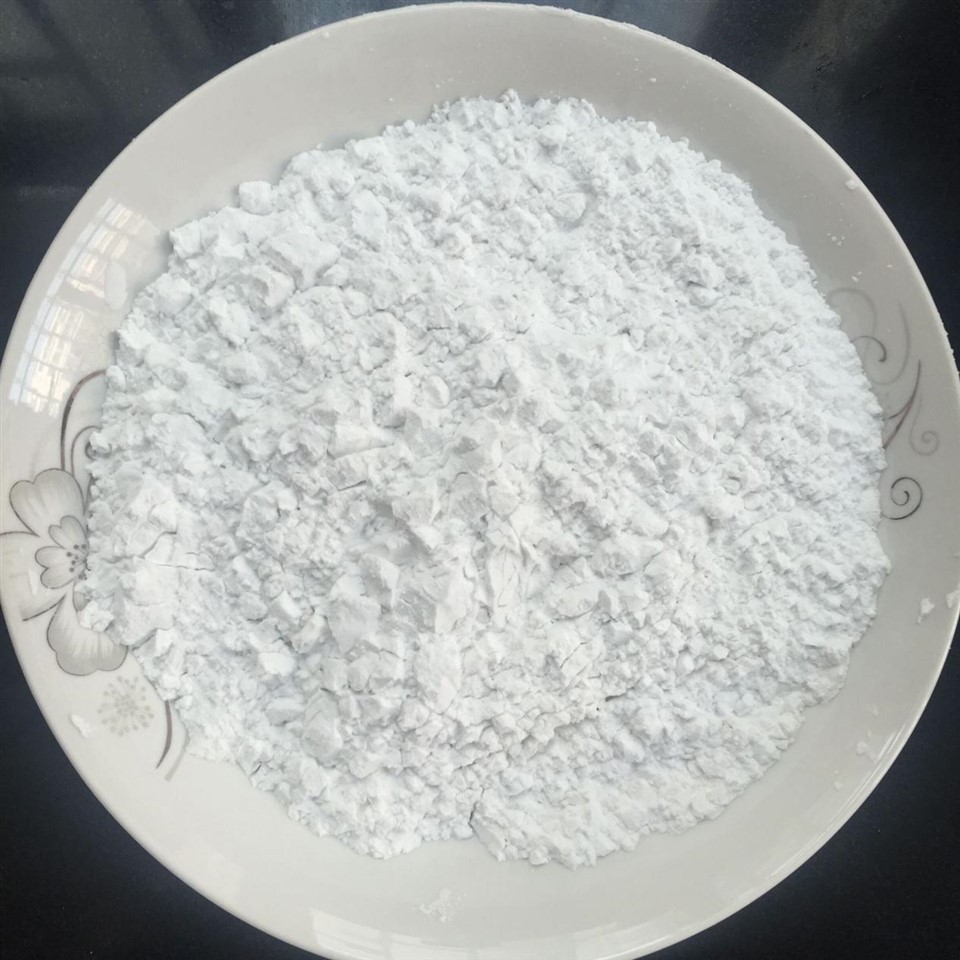
If you're interested in learning more about Brominated Polystyrene or are looking to purchase it for your next project, I'd love to hear from you. You can visit our website Brominated Polystyrene to find out more about our products and services. Let's work together to make our buildings safer from fire!
References
- "Flame Retardancy of Polymeric Materials" by Horrocks, A. R.
- "Fire Retardant Polymers: New Strategies and Mechanisms" edited by Bourbigot, S. and Duquesne, S.
- Various industry reports and technical papers on flame retardants and building materials.