

Flame retardants play a crucial role in enhancing fire safety across various industries, from construction to electronics and textiles. As a flame retardant supplier, I often encounter questions from customers about the shelf life and expiration of these products. In this blog post, we'll explore the topic of whether flame retardants expire, the factors that can affect their longevity, and how to ensure their effectiveness over time.
Do Flame Retardants Expire?
The short answer is that it depends. Unlike perishable goods with a clear expiration date, flame retardants don't have a one - size - fits - all expiration timeline. Some flame retardants can remain stable and effective for many years, while others may degrade over time under certain conditions.
The stability of a flame retardant is largely determined by its chemical composition. For example, inorganic flame retardants such as aluminum hydroxide and magnesium hydroxide are generally very stable. These compounds are often used in high - volume applications like plastics and rubber. They have a long shelf life because their chemical structures are resistant to environmental factors such as heat, moisture, and oxidation. In most cases, when stored properly, inorganic flame retardants can be used effectively for decades.
On the other hand, organic flame retardants, which include brominated and phosphorus - based compounds, can be more susceptible to degradation. Brominated flame retardants, like Methyl Octabromoether, Brominated Polystyrene, and Brominated Styrene - butadiene - styrene Block Copolymer, may break down over time. This degradation can occur due to exposure to high temperatures, UV light, or chemical reactions with other substances in the environment.
Factors Affecting the Shelf Life of Flame Retardants
1. Storage Conditions
Proper storage is essential for maintaining the quality of flame retardants. They should be stored in a cool, dry place away from direct sunlight and sources of heat. High temperatures can accelerate the chemical reactions that lead to degradation. For example, if a flame retardant is stored in a warehouse where the temperature regularly exceeds 50°C, it may start to break down more quickly than if it were stored at room temperature.
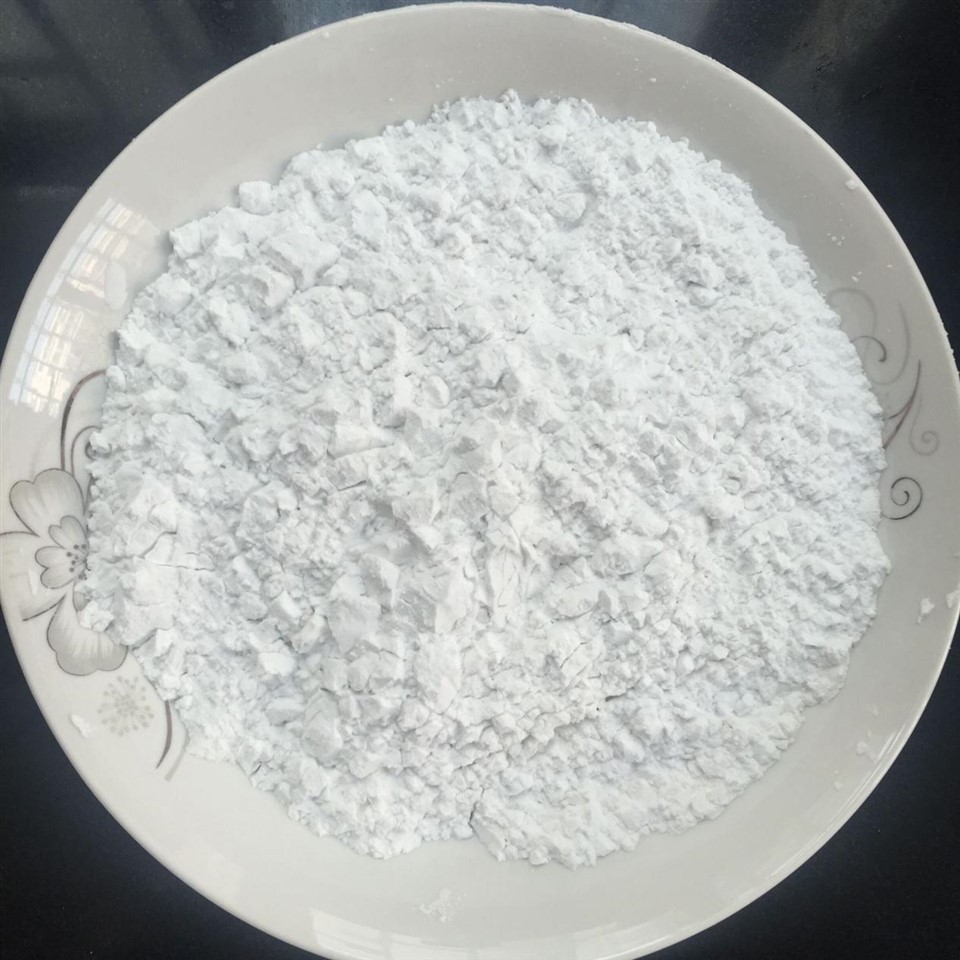

Moisture is another enemy of flame retardants. Many flame retardants can absorb water, which can cause them to clump or react chemically. This is especially true for some powdered flame retardants. To prevent moisture absorption, they should be stored in sealed containers.
2. Chemical Compatibility
Flame retardants are often used in combination with other materials, such as polymers or resins. The compatibility of the flame retardant with these other materials can affect its stability. If a flame retardant reacts with the polymer matrix, it may lose its effectiveness over time. For example, some flame retardants may cause plasticizers in a polymer to migrate, leading to changes in the physical properties of the material and potentially reducing the flame - retardant performance.
3. Exposure to UV Light
UV light can cause photodegradation of some flame retardants, especially those with organic components. When exposed to sunlight or other sources of UV radiation, the chemical bonds in the flame retardant can break, leading to a loss of its flame - retardant properties. This is why it's important to store flame retardants in opaque containers or in areas where they are not exposed to direct sunlight.
How to Determine if a Flame Retardant Has Expired
1. Visual Inspection
One of the simplest ways to check if a flame retardant has degraded is through visual inspection. If the flame retardant has changed in color, texture, or consistency, it may be a sign of degradation. For example, a powder that has clumped together or a liquid that has become cloudy may indicate that the product has been affected by moisture or other factors.
2. Performance Testing
The most accurate way to determine if a flame retardant is still effective is through performance testing. This can involve subjecting samples of the material containing the flame retardant to standardized fire tests, such as the UL 94 test for plastics. If the material fails to meet the required fire - safety standards, it may be a sign that the flame retardant has expired or lost its effectiveness.
Ensuring the Long - Term Effectiveness of Flame Retardants
1. Follow Storage Guidelines
As mentioned earlier, proper storage is key. Always follow the manufacturer's storage recommendations for the flame retardant. This may include storing the product at a specific temperature range, protecting it from moisture and light, and using it within a certain time frame after opening.
2. Quality Control
Implement a quality control program to regularly test the flame retardants in your inventory. This can help you identify any issues with degradation early on and take appropriate action, such as replacing the product or adjusting your manufacturing processes.
3. Stay Informed
The field of flame retardants is constantly evolving, with new products and technologies being developed. Stay informed about the latest research and best practices in flame - retardant storage and use. This can help you make informed decisions about the products you use and ensure the long - term effectiveness of your flame - retardant solutions.
Conclusion
In conclusion, while not all flame retardants have a clear expiration date, their effectiveness can be affected by various factors over time. As a flame retardant supplier, I understand the importance of providing high - quality products and ensuring that our customers are aware of how to maintain the effectiveness of these products.
If you're in the market for flame retardants or have questions about their shelf life and performance, I encourage you to reach out to us. We have a wide range of flame retardant products, including Methyl Octabromoether, Brominated Polystyrene, and Brominated Styrene - butadiene - styrene Block Copolymer, and our team of experts can provide you with the information and support you need to make the right choice for your application. Contact us to start a discussion about your flame - retardant requirements and explore how we can help you enhance the fire safety of your products.
References
- Horrocks, A. R. (2011). Developments in flame retardants for textiles and plastics. Woodhead Publishing.
- Weil, E. D., & Levchik, S. V. (Eds.). (2008). Flame retardancy of polymeric materials. CRC Press.
- Troitzsch, J. M. (2004). International plastics flammability handbook: Principles, regulations, testing and approval. Hanser Publishers.