

In the realm of materials science and manufacturing, the quest for effective flame retardants that can seamlessly integrate with other additives is a continuous journey. As a leading flame retardant supplier, we understand the critical importance of compatibility, not only in enhancing the performance of the end product but also in meeting the diverse and stringent safety standards across various industries.
Understanding the Need for Compatibility
Flame retardants are substances added to materials to inhibit or delay the spread of fire. They work through various mechanisms, such as cooling the material, diluting the combustible gases, forming a protective char layer, or interrupting the combustion chain reaction. However, in real - world applications, materials often require a combination of additives to achieve the desired properties. For instance, in plastics, additives like plasticizers are used to increase flexibility, antioxidants to prevent oxidation, and colorants to provide aesthetic appeal.
The compatibility of flame retardants with these other additives is crucial. Incompatible additives can lead to a range of issues, including reduced flame - retardant efficiency, poor mechanical properties, and surface defects. For example, if a flame retardant reacts with a plasticizer, it may cause the plasticizer to leach out, leading to a loss of flexibility and potentially compromising the overall performance of the plastic product.
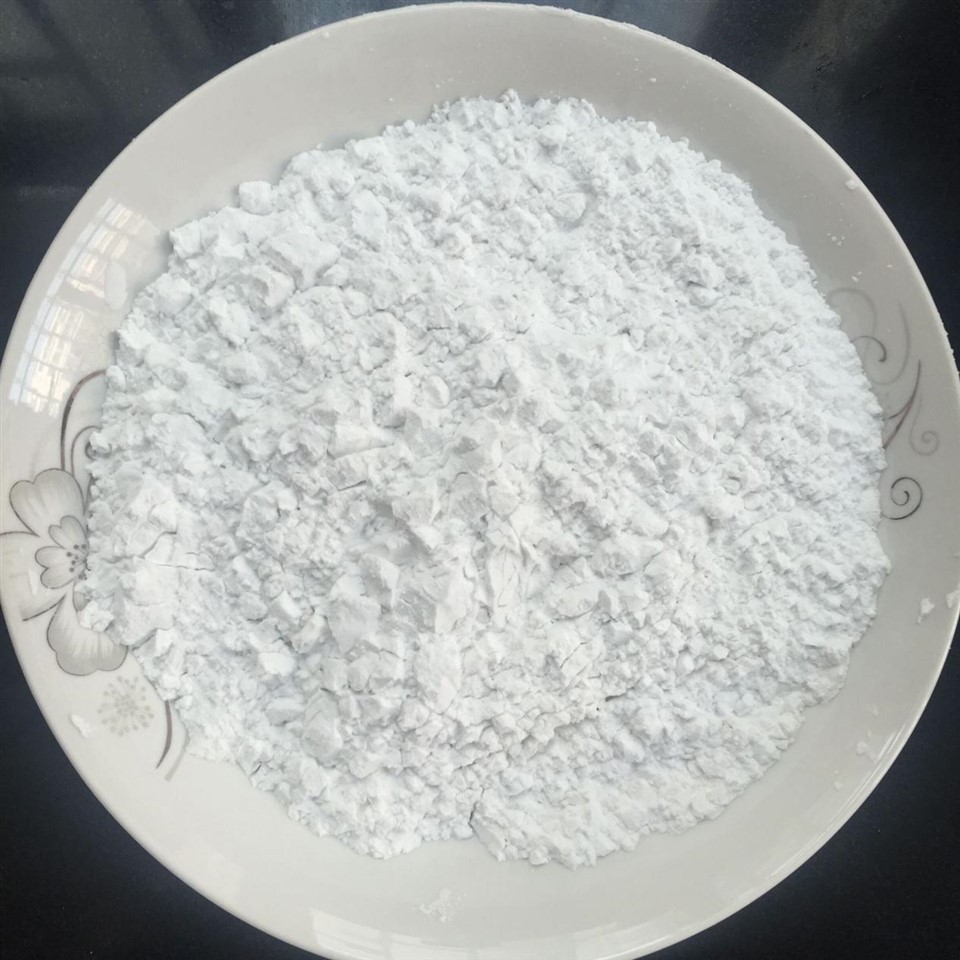

Types of Flame Retardants and Their Compatibility
Brominated Flame Retardants
Brominated flame retardants are widely used due to their high efficiency and cost - effectiveness. They work by releasing bromine radicals that interrupt the combustion chain reaction. Two of our popular brominated flame retardants are Brominated Polystyrene and Brominated Styrene - butadiene - styrene Block Copolymer.
Brominated Polystyrene is highly compatible with many common polymers, such as polypropylene (PP) and polyethylene (PE). It has good thermal stability and can be easily incorporated into the polymer matrix without significant interaction with other additives. In PP resins, it can be used in combination with antioxidants and light stabilizers without sacrificing its flame - retardant properties. The molecular structure of Brominated Polystyrene allows it to disperse evenly in the polymer, providing a consistent level of fire protection.
The Brominated Styrene - butadiene - styrene Block Copolymer is also known for its excellent compatibility. It is particularly suitable for use in elastomers and thermoplastic elastomers. When used in combination with plasticizers in styrenic thermoplastic elastomers, it can maintain the rubber - like properties of the material while providing effective flame retardancy. This is because the block copolymer structure allows it to interact well with the polymer matrix and other additives without causing phase separation.
Methyl Octabromoether
Another important brominated flame retardant in our product portfolio is Methyl Octabromoether. It is a versatile flame retardant that can be used in a variety of polymers, including ABS (acrylonitrile - butadiene - styrene) and HIPS (high - impact polystyrene). Methyl Octabromoether shows good compatibility with other additives commonly used in these polymers, such as lubricants and antistatic agents. In ABS plastics, it can be combined with processing aids without affecting the flow properties of the material during injection molding.
Non - Brominated Flame Retardants
Non - brominated flame retardants, such as phosphorus - based and nitrogen - based flame retardants, are also gaining popularity due to increasing environmental concerns. Phosphorus - based flame retardants work by forming a protective char layer on the surface of the material, which acts as a barrier against heat and oxygen. Nitrogen - based flame retardants, on the other hand, decompose to release non - flammable gases that dilute the combustible gases.
Many non - brominated flame retardants are compatible with additives like glass fibers in composite materials. For example, in epoxy - glass fiber composites, phosphorus - based flame retardants can be used in combination with coupling agents to improve the adhesion between the epoxy resin and the glass fibers. This not only enhances the mechanical properties of the composite but also provides effective fire protection.
Factors Affecting Compatibility
Several factors can influence the compatibility of flame retardants with other additives. One of the key factors is the chemical nature of the additives. Additives with similar chemical structures or polarities are more likely to be compatible. For example, additives that are both hydrophilic or hydrophobic will have better miscibility.
The particle size and shape of the flame retardant can also play a role. Smaller particle sizes generally lead to better dispersion in the polymer matrix, which can improve compatibility. A fine - particle flame retardant can distribute evenly throughout the material, reducing the likelihood of agglomeration and ensuring consistent performance.
The processing conditions during the manufacturing of the material are also important. High - temperature processing can cause chemical reactions between additives if they are not compatible. For example, some flame retardants may decompose at high temperatures in the presence of certain catalysts or other additives, leading to a loss of performance.
Testing for Compatibility
To ensure the compatibility of flame retardants with other additives, a series of tests are conducted. These tests can include visual inspection, mechanical property testing, and thermal analysis.
Visual inspection involves observing the surface and cross - section of the material for signs of phase separation, such as blisters, cracks, or discoloration. If these signs are present, it indicates a potential compatibility issue.
Mechanical property testing, such as tensile strength, flexural strength, and impact resistance, can also reveal the effects of compatibility. A significant decrease in mechanical properties may suggest that the additives are interacting negatively and affecting the integrity of the material.
Thermal analysis techniques, such as differential scanning calorimetry (DSC) and thermogravimetric analysis (TGA), can be used to study the thermal behavior of the material and its additives. These techniques can detect any changes in the melting point, decomposition temperature, or heat flow, which can be indicative of compatibility issues.
Conclusion
In conclusion, there are indeed many flame retardants that are compatible with other additives. At our company, we have a wide range of flame - retardant products, such as Brominated Polystyrene, Brominated Styrene - butadiene - styrene Block Copolymer, and Methyl Octabromoether, which have been carefully formulated and tested to ensure excellent compatibility with various additives.
If you are in the market for high - quality flame retardants that can work seamlessly with your existing additives, we invite you to contact us for a detailed discussion. Our team of experts is ready to assist you in finding the most suitable flame - retardant solutions for your specific application.
References
- "Flame Retardancy of Polymeric Materials" by Charles A. Wilkie.
- "Handbook of Polymer Blends and Composites" edited by Debes Bhattacharjee.
- Research papers on flame - retardant compatibility from scientific journals such as "Journal of Fire Sciences" and "Polymer Degradation and Stability".