For more than 60 years since the early 50s of the 20th century, especially for about 30 years since the early 80s of the 20th century, flame retardants (FR) and flame retardant polymer materials have played an important role in reducing the loss of life and property caused by fires. At present, the total amount of FR used in the world ranks second only to plasticizers among all types of plastic additives.
With the strengthening of the country's requirements for flame retardant technology, the development and development of flame retardants in China will have better prospects. China's flame retardants are both in variety and quantity and developed countries have a gap, the development prospects are broad, should improve the ability to develop and innovate, and promote the flame retardant industry to environmental protection, low toxicity, high efficiency, multi-functional direction.
The flame retardant industry is a regulation-driven industry and a global competitive industry, therefore, the successive introduction and gradual improvement of relevant laws and regulations at home and abroad affect the pattern of the entire flame retardant industry, and provide development opportunities for enterprises with resource advantages, economies of scale and R&D advantages. China's "Twelfth Five-Year Plan" includes flame retardant materials into key development industries, and establishes a strategic alliance for technological innovation in the green flame retardant industry, which provides a policy platform for the development of the flame retardant material industry.
The production and application of flame retardants have entered a stage of steady development after experiencing vigorous development in the early eighties. With the development of China's synthetic materials industry and the continuous expansion of application fields, flame retardants have broad market prospects in various fields such as chemical building materials, electronic appliances, transportation, aerospace, daily furniture, interior decoration, clothing, food, housing and transportation. In addition, the fields of coalfield, oil field, forest fire extinguishing and other fields have also promoted the rapid development of flame retardant and fire extinguishing agent production in China. China's flame retardants have developed into the second largest polymer material modification additives after plasticizers. In recent years, the production and consumption of flame retardants in China have continued to develop, and the domestic consumption of flame retardants has risen sharply, and the increased market share mainly comes from two aspects: electronic appliances and automobile markets.
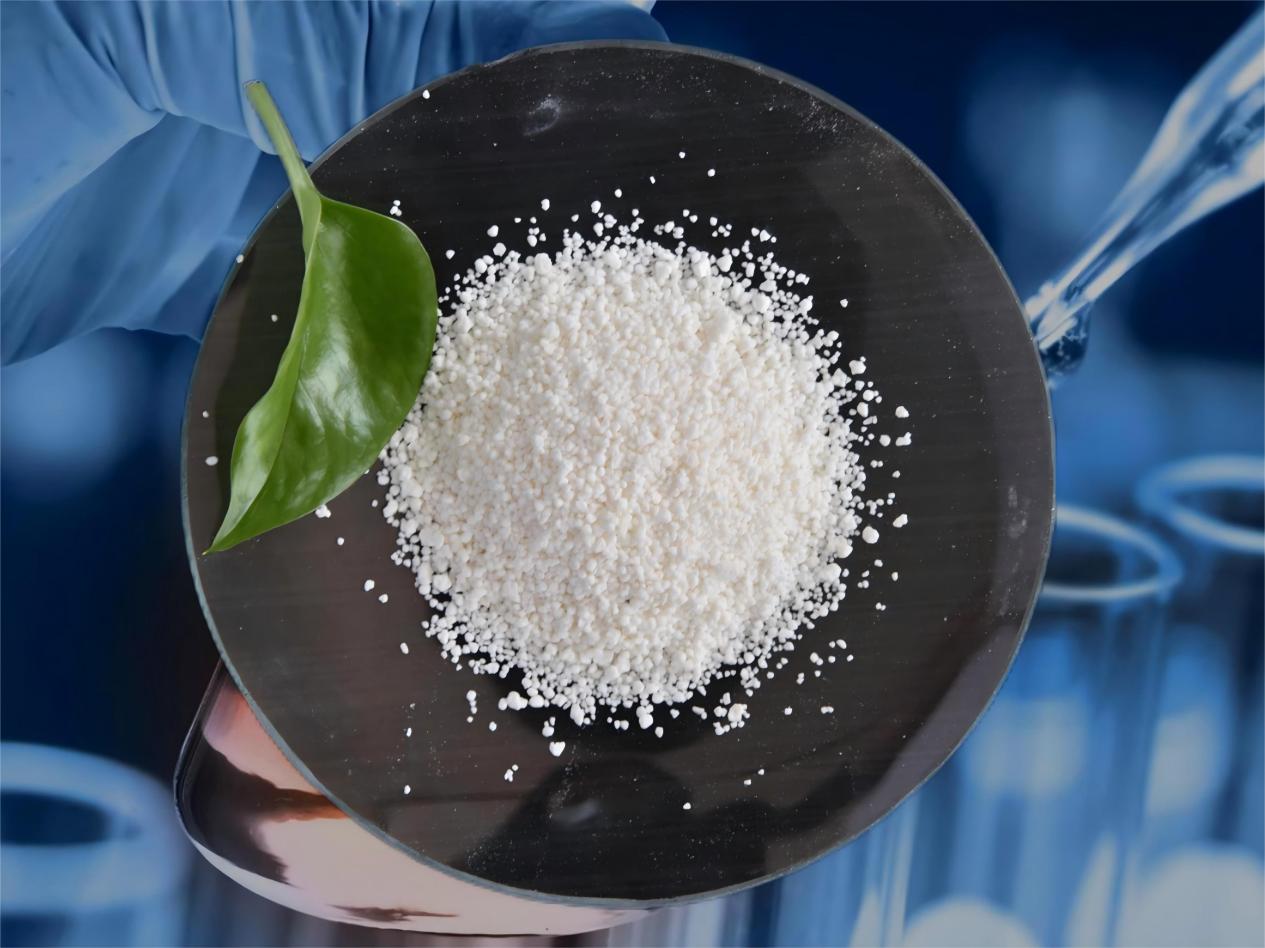
The varieties and consumption of domestic flame retardants are still dominated by organic flame retardants, and the production and consumption of inorganic flame retardants are still small, but the development momentum is good and the market potential is large. Although the most commonly used halogenated flame retardant in flame retardants has incomparable high efficiency in other flame retardant series, its harm to the environment and people cannot be ignored. Environmental protection is the focus of attention of additives developers and applications, so domestic and foreign countries have been adjusting the product structure of flame retardants and increasing the development of high-efficiency and environmentally friendly flame retardants. Halogen-free, low-smoke and low-toxicity flame retardants have always been the goal pursued by people, so people have shown great enthusiasm for the development of halogen-free flame retardants, invested a lot of strength, and achieved considerable results.
It is urgent for China to develop low-smoke and non-toxic inorganic flame retardants. As a halogen-free environmentally friendly flame retardant, magnesium hydroxide has broad application prospects, which requires the industry to increase technical research efforts to reduce production costs and product prices.
In 2007, chlorine-based flame retardants accounted for 84% of China's flame retardant products, while low-smoke and non-toxic inorganic flame retardant products accounted for only about 8% of the total. Flame retardant materials for construction have a huge potential market in China, and there is a big gap between the varieties and dosages of flame retardants in China and developed countries. With the strengthening of the country's requirements for flame retardant technology, the development and development of low-smoke and non-toxic flame retardants in China will have better prospects.