

Yo, fellow ceramic enthusiasts! Today, I'm stoked to dive into the nitty - gritty of what sodium nitrite brings to the table in ceramic production. As a sodium nitrite supplier, I've seen firsthand how this chemical plays a pretty crucial role in the whole process.
Basic Chemistry of Sodium Nitrite
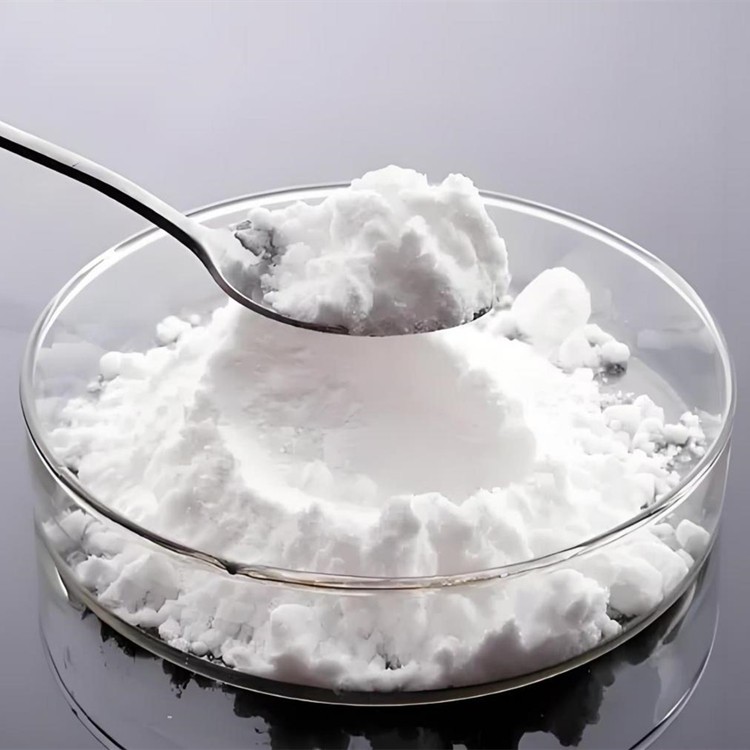
First off, let's talk a bit about what sodium nitrite is. Its chemical formula is NaNO₂. It's a white to slightly yellowish crystalline powder that's soluble in water. Chemically speaking, it's a salt of nitrous acid. Now, you might be wondering how on earth this random chemical ties into ceramics. Well, it all boils down to its unique properties.
Oxidation and Reduction Reactions
One of the main things sodium nitrite does in ceramic production is participate in oxidation and reduction reactions. In the firing process of ceramics, the temperature can get pretty high. At these high temperatures, sodium nitrite decomposes. When it breaks down, it releases oxygen. This oxygen can react with other substances in the ceramic material.
For example, some metals in the clay or glazes can exist in different oxidation states. The oxygen from sodium nitrite can oxidize these metals. This oxidation can change the color and appearance of the ceramics. If you're aiming for a specific color in your glaze, say a bright red or orange from iron - based compounds, the oxidation provided by sodium nitrite can be a game - changer. It helps to lock in those desired colors by ensuring the metals are in the right oxidation state.
Preventing Microbial Growth
Another cool thing about sodium nitrite is its ability to prevent microbial growth. In the ceramic production process, especially when dealing with clay slurries or liquid glazes, there's a risk of bacteria and fungi growing. These microorganisms can mess up the consistency and quality of the materials. Sodium nitrite acts as a preservative. It inhibits the growth of these unwanted microbes, which means the clay and glazes stay in good condition for longer. This is super important, especially if you're running a large - scale ceramic production facility where batches of materials are stored for a while before use.
Improving Plasticity of Clay
Clay is the heart of ceramic production, and its plasticity is a key factor. Plasticity refers to the ability of the clay to be molded and shaped without cracking. Sodium nitrite can improve the plasticity of clay. When added to the clay mixture, it interacts with the clay particles. It helps to break down some of the larger clay aggregates into smaller ones. This makes the clay more workable. You can easily shape it into complex forms, whether you're making delicate pottery or large - scale sculptures. And let's face it, the easier it is to work with the clay, the better the final product will turn out.
Comparing with Other Chemicals
Now, you might be thinking, "Are there other chemicals that can do the same things as sodium nitrite?" Well, there are some alternatives. For example, Sodium Bicarbonate, Heavy Soda Ash, and Light Soda Ash are also used in ceramic production.
Sodium bicarbonate can also participate in chemical reactions during firing, but its main role is often as a flux. A flux lowers the melting point of the glaze, making it spread more evenly. Heavy and light soda ash are also fluxes, but they work a bit differently from sodium nitrite. They don't have the same oxidation - reduction capabilities or the anti - microbial properties that sodium nitrite has. So, while these other chemicals have their own uses in ceramics, sodium nitrite brings a unique set of benefits to the table.
Safety Considerations
Of course, when working with any chemical, safety is a top priority. Sodium nitrite is toxic if ingested in large amounts. It's also a strong oxidizer, which means it can react vigorously with other substances. In a ceramic production setting, proper handling procedures need to be followed. Workers should wear appropriate protective gear, like gloves and goggles, when handling sodium nitrite. It should be stored in a cool, dry place away from flammable materials. And when disposing of any waste containing sodium nitrite, it needs to be done in accordance with local environmental regulations.

Quality Control
As a sodium nitrite supplier, I know how important quality control is. The purity of sodium nitrite can vary, and this can have a big impact on its performance in ceramic production. High - purity sodium nitrite will give more consistent results. That's why we at our supply company take quality control seriously. We test every batch of sodium nitrite to ensure it meets the highest standards. This way, you can be confident that the sodium nitrite you're using in your ceramic production will deliver the results you're looking for.
Applications in Different Types of Ceramics
Sodium nitrite has a wide range of applications across different types of ceramics. In traditional pottery, it can be used to enhance the colors and durability of the pieces. For example, in hand - thrown pots, the oxidation from sodium nitrite can create beautiful, natural - looking color variations on the surface.
In industrial ceramics, like those used in electrical insulators or refractory materials, sodium nitrite can improve the mechanical properties. The oxidation reactions can strengthen the ceramic structure, making it more resistant to heat and mechanical stress.
In art ceramics, where artists are often looking for unique and eye - catching effects, sodium nitrite is a secret weapon. Artists can experiment with different amounts of sodium nitrite in their glazes to create one - of - a - kind color combinations and textures.
Cost - Effectiveness
From a business perspective, sodium nitrite is also cost - effective. Compared to some of the high - end specialty chemicals used in ceramic production, sodium nitrite is relatively inexpensive. You don't have to break the bank to get the benefits it offers. Whether you're a small - scale ceramic artist or a large - scale manufacturer, sodium nitrite can fit into your budget without sacrificing quality.
Conclusion
So, there you have it! Sodium nitrite is a multi - faceted chemical that plays a vital role in ceramic production. From oxidation and reduction reactions that change colors, to preventing microbial growth, improving clay plasticity, and being cost - effective, it's a must - have in the ceramic production toolkit.
If you're in the ceramic production business and are looking for a reliable sodium nitrite supplier, I'd love to talk to you. Whether you have questions about how to use sodium nitrite in your specific process or want to place an order, don't hesitate to reach out. Let's work together to take your ceramic production to the next level.
References
- "Ceramic Science and Technology" by some well - known ceramic experts (I'm not naming them here as it's not about promoting specific authors but general knowledge).
- Industry reports on chemical usage in ceramic production from various research institutions.