

Sodium nitrite (NaNO₂) is a widely used inorganic compound in various industries, including food preservation, dyeing, and chemical synthesis. As a reliable sodium nitrite supplier, we often receive inquiries about its chemical properties and reactions, especially its reaction with chlorine. In this blog post, we will explore the reaction between sodium nitrite and chlorine, its mechanism, products, and potential applications.

Chemical Background of Sodium Nitrite
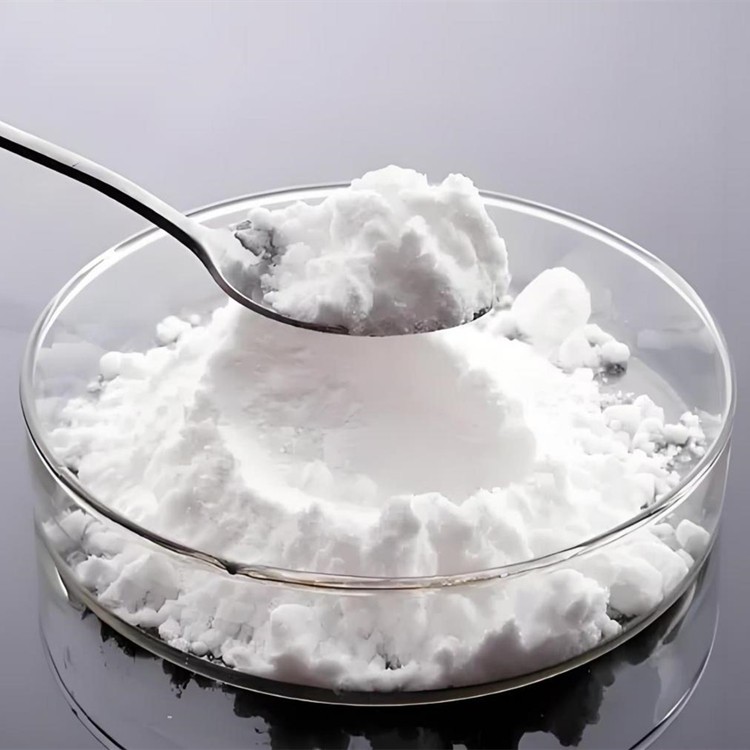
Sodium nitrite is a white to slightly yellowish crystalline powder that is highly soluble in water. It is an important precursor in the synthesis of many organic and inorganic compounds. In the food industry, it is used as a preservative and color fixative in cured meats. However, it is also a toxic substance, and proper handling and safety measures are required.
Reaction with Chlorine
When sodium nitrite reacts with chlorine (Cl₂), a series of chemical reactions occur. Chlorine is a strong oxidizing agent, and sodium nitrite can act as a reducing agent. The overall reaction can be described by the following equation:
2NaNO₂ + Cl₂ → 2NaCl + 2NO₂
In this reaction, chlorine oxidizes the nitrite ion (NO₂⁻) in sodium nitrite to nitrogen dioxide (NO₂), while itself is reduced to chloride ions (Cl⁻). The resulting products are sodium chloride (NaCl) and nitrogen dioxide.
Reaction Mechanism
The reaction between sodium nitrite and chlorine involves a multi - step process. First, chlorine dissolves in water to form hypochlorous acid (HClO) and hydrochloric acid (HCl) according to the following equation:
Cl₂ + H₂O ⇌ HClO+ HCl
The hypochlorous acid then reacts with the nitrite ion in sodium nitrite. The nitrite ion is oxidized by the hypochlorous acid. The oxidation process can be thought of as the transfer of electrons from the nitrite ion to the hypochlorous acid.

NO₂⁻ + HClO → NO₃⁻+ HCl
However, in the presence of excess chlorine and under certain conditions, the reaction proceeds further to form nitrogen dioxide. The intermediate nitrate ions may react with other species in the solution to eventually yield nitrogen dioxide.
Products and Their Properties
Sodium Chloride (NaCl)
Sodium chloride, commonly known as table salt, is a stable and widely used compound. It is odorless and has a characteristic salty taste. It is highly soluble in water and is an essential component in many industrial processes, such as the production of [Sodium Hydroxide]( /alkalis/sodium - hydroxide.html) through the chlor - alkali process.
Nitrogen Dioxide (NO₂)
Nitrogen dioxide is a reddish - brown gas with a pungent odor. It is a toxic and reactive compound. In the atmosphere, it plays a role in the formation of smog and acid rain. However, in the chemical industry, it can be used as an oxidizing agent and in the synthesis of certain organic compounds.
Applications of the Reaction
Water Treatment
The reaction between sodium nitrite and chlorine can be utilized in water treatment processes. Chlorine is a common disinfectant in water treatment, and the addition of sodium nitrite can help in controlling the oxidation - reduction potential of the water. The reaction products can also have an impact on the removal of certain contaminants in the water.
Chemical Synthesis
The nitrogen dioxide produced in the reaction can be used as a starting material for the synthesis of various organic and inorganic compounds. For example, it can be used in the production of nitric acid, which is a key chemical in the fertilizer and explosives industries.
Safety Considerations
As a sodium nitrite supplier, we always emphasize the importance of safety when handling chemicals. Chlorine is a toxic and corrosive gas, and nitrogen dioxide is also a hazardous substance. When conducting the reaction between sodium nitrite and chlorine, proper safety equipment, such as respirators, gloves, and goggles, should be worn. The reaction should be carried out in a well - ventilated area to prevent the accumulation of toxic gases.
Potential in the Market
The reaction between sodium nitrite and chlorine has potential applications in different industries. For companies in the water treatment, chemical synthesis, and environmental protection sectors, understanding this reaction can lead to the development of new products and processes. As a sodium nitrite supplier, we are committed to providing high - quality products and technical support to our customers.

If you are interested in purchasing sodium nitrite for your specific applications, or if you have any questions about the reaction between sodium nitrite and chlorine, we encourage you to contact us for further discussions. We can offer detailed product information, technical guidance, and support for your procurement needs.
References
- Cotton, F. A.; Wilkinson, G.; Murillo, C. A.; Bochmann, M. (1999). Advanced Inorganic Chemistry (6th ed.). Wiley.
- Atkins, P.; Jones, L. (2010). Chemical Principles: The Quest for Insight (4th ed.). W. H. Freeman.
- Housecroft, C. E.; Sharpe, A. G. (2012). Inorganic Chemistry (4th ed.). Pearson.