

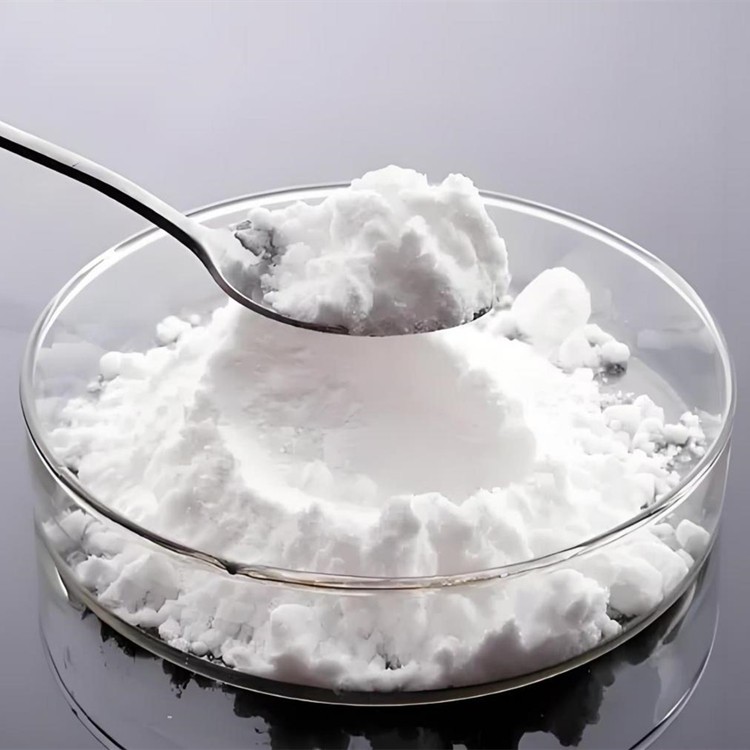
As a seasoned supplier of Light Soda Ash, I am often asked about the purity of this essential industrial chemical. Light Soda Ash, also known as sodium carbonate (Na₂CO₃), is a white, odorless powder that plays a crucial role in various industries, including glass manufacturing, detergents, and water treatment. In this blog post, I will delve into the concept of purity in commercial Light Soda Ash, its significance, and how it impacts different applications.
Understanding Purity in Light Soda Ash
Purity in the context of Light Soda Ash refers to the percentage of sodium carbonate in the product. A higher purity level means that the Light Soda Ash contains a greater proportion of sodium carbonate and fewer impurities. These impurities can include other salts, such as sodium chloride (NaCl), sodium sulfate (Na₂SO₄), and various trace elements.
The purity of commercial Light Soda Ash can vary depending on the manufacturing process and the intended application. Generally, the purity of Light Soda Ash ranges from 98% to 99.5%. High - purity Light Soda Ash is often required for applications where even small amounts of impurities can have a significant impact on the final product quality.
Significance of Purity
Glass Manufacturing
One of the largest consumers of Light Soda Ash is the glass industry. In glass production, soda ash acts as a flux, lowering the melting point of silica and other raw materials. High - purity Light Soda Ash is essential in this application because impurities can cause coloration, bubbles, or other defects in the glass. For example, iron impurities can give the glass a greenish tint, while sulfur compounds can lead to the formation of bubbles. A purity level of 99% or higher is typically preferred in the glass industry to ensure the production of high - quality, clear glass products.
Detergent Industry
In the detergent industry, Light Soda Ash is used as a builder. It helps to soften water by binding to calcium and magnesium ions, which improves the effectiveness of detergents. High - purity Light Soda Ash is important here because impurities can reduce the builder's ability to soften water and may also cause residue on clothes. A pure product ensures that the detergent functions optimally, providing better cleaning results.
Water Treatment
Light Soda Ash is also used in water treatment to adjust the pH of water. It can neutralize acidic water and increase its alkalinity. In this application, the purity of the soda ash is crucial because impurities can introduce unwanted substances into the water. For instance, heavy metal impurities can pose health risks if present in drinking water. Therefore, water treatment facilities often require Light Soda Ash with a high degree of purity to ensure the safety and quality of the treated water.
Factors Affecting Purity
Manufacturing Process
The manufacturing process of Light Soda Ash has a significant impact on its purity. There are two main methods of producing soda ash: the Solvay process and the natural method.
The Solvay process involves a series of chemical reactions between salt (sodium chloride), ammonia, and limestone. This process can produce Light Soda Ash with a relatively high purity level, typically around 99%. However, it requires careful control of the reaction conditions to minimize the formation of impurities.

The natural method involves mining trona ore, which is a natural source of sodium carbonate. After mining, the trona ore is processed to extract the soda ash. The purity of Light Soda Ash produced from trona ore can be very high, often exceeding 99.5%. This is because trona ore is a relatively pure source of sodium carbonate, and the extraction process can be optimized to remove most of the impurities.
Raw Materials
The quality of the raw materials used in the manufacturing process also affects the purity of Light Soda Ash. For example, if the salt used in the Solvay process contains a high level of impurities, these impurities will be carried over into the final product. Similarly, the quality of the limestone used in the Solvay process can impact the purity of the soda ash. In the case of the natural method, the purity of the trona ore itself is a key factor. High - grade trona ore will result in higher - purity Light Soda Ash.
Testing and Quality Control
To ensure the purity of commercial Light Soda Ash, rigorous testing and quality control measures are essential. These measures typically include chemical analysis techniques, such as titration, atomic absorption spectroscopy (AAS), and inductively coupled plasma - mass spectrometry (ICP - MS).
Titration is a common method for determining the sodium carbonate content in Light Soda Ash. It involves reacting the soda ash with a standardized acid solution and measuring the amount of acid required to reach the equivalence point. This method can provide a quick and accurate measurement of the sodium carbonate purity.
AAS and ICP - MS are more advanced techniques that can be used to detect and quantify trace impurities in Light Soda Ash. These techniques are highly sensitive and can detect impurities at very low concentrations. By using these methods, manufacturers can ensure that their Light Soda Ash meets the required purity standards for different applications.
Comparison with Related Products
It is also important to compare Light Soda Ash with related products such as Sodium Nitrite, Sodium Bicarbonate, and Heavy Soda Ash.
Sodium Nitrite is a different chemical compound with distinct properties and applications. It is commonly used as a food preservative and in the production of dyes and pharmaceuticals. Unlike Light Soda Ash, its purity requirements are specific to its intended use in these industries.
Sodium Bicarbonate, also known as baking soda, is a mild alkali. It has a lower pH compared to Light Soda Ash and is often used in food, pharmaceuticals, and personal care products. The purity requirements for sodium bicarbonate are also different from those of Light Soda Ash, depending on its application.
Heavy Soda Ash has a higher bulk density compared to Light Soda Ash. It is produced by compacting Light Soda Ash. While the basic chemical composition of heavy and light soda ash is the same (sodium carbonate), heavy soda ash is often preferred in applications where a denser product is required, such as in some industrial cleaning processes. The purity requirements for heavy soda ash are similar to those of Light Soda Ash, but the physical properties may vary depending on the manufacturing process.
Conclusion
The purity of commercial Light Soda Ash is a critical factor that affects its performance in various applications. High - purity Light Soda Ash is essential for industries such as glass manufacturing, detergents, and water treatment, where impurities can have a significant impact on the final product quality. As a supplier, we are committed to providing Light Soda Ash with the highest level of purity through strict quality control measures and the use of advanced manufacturing processes.
If you are in the market for high - quality Light Soda Ash, we would be delighted to discuss your specific requirements. Whether you need a large - scale supply for an industrial application or a smaller quantity for a specialized project, we have the expertise and resources to meet your needs. Contact us today to start a discussion about your Light Soda Ash procurement.
References
- Kirk - Othmer Encyclopedia of Chemical Technology.
- Ullmann's Encyclopedia of Industrial Chemistry.
- Journal of Chemical Engineering and Process Technology.