

In the world of chemistry, understanding the properties of various substances is crucial, especially when dealing with chemicals like sodium hydroxide. As a dedicated sodium hydroxide supplier, I often encounter questions about the pH of sodium hydroxide solutions. This blog aims to shed light on this topic, providing a comprehensive understanding of what the pH of a sodium hydroxide solution is and its significance.
What is Sodium Hydroxide?
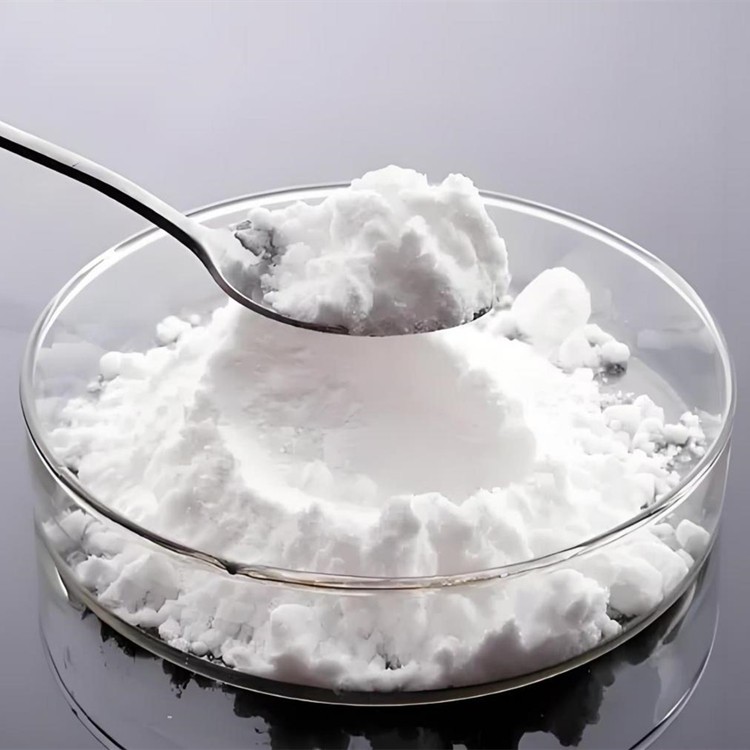
Sodium hydroxide, commonly known as caustic soda, is a highly caustic metallic base. It is a white solid ionic compound consisting of sodium cations (Na+) and hydroxide anions (OH-). Sodium hydroxide is highly soluble in water, and when it dissolves, it dissociates completely into its constituent ions. This characteristic makes it a strong base, which plays a vital role in determining the pH of its solutions.
Understanding pH
Before delving into the pH of sodium hydroxide solutions, it's essential to understand what pH is. pH is a measure of the acidity or alkalinity of a solution. It is defined as the negative logarithm (base 10) of the hydrogen ion concentration ([H+]) in a solution. Mathematically, it is expressed as pH = -log[H+]. The pH scale ranges from 0 to 14, where a pH of 7 is considered neutral, values below 7 indicate acidity, and values above 7 indicate alkalinity.

Calculating the pH of a Sodium Hydroxide Solution
As mentioned earlier, sodium hydroxide is a strong base, which means it dissociates completely in water. The dissociation reaction of sodium hydroxide in water can be represented as follows:
NaOH(s) → Na+(aq) + OH-(aq)
This reaction shows that for every mole of sodium hydroxide that dissolves in water, one mole of hydroxide ions (OH-) is produced. The concentration of hydroxide ions in the solution determines the pOH, which is related to the pH through the equation pH + pOH = 14 at 25°C.
To calculate the pH of a sodium hydroxide solution, we first need to determine the concentration of hydroxide ions ([OH-]) in the solution. Once we have the [OH-], we can calculate the pOH using the formula pOH = -log[OH-]. Then, we can find the pH using the equation pH = 14 - pOH.
For example, let's consider a 0.1 M sodium hydroxide solution. Since sodium hydroxide dissociates completely in water, the concentration of hydroxide ions in the solution is also 0.1 M. Using the formula for pOH, we can calculate the pOH as follows:
pOH = -log(0.1) = 1
Now, using the equation pH + pOH = 14, we can find the pH:
pH = 14 - 1 = 13
So, the pH of a 0.1 M sodium hydroxide solution is 13, indicating that it is a highly alkaline solution.
Factors Affecting the pH of a Sodium Hydroxide Solution
Several factors can affect the pH of a sodium hydroxide solution. These include:
- Concentration: As demonstrated in the example above, the concentration of sodium hydroxide in the solution directly affects the pH. Higher concentrations of sodium hydroxide result in higher concentrations of hydroxide ions, leading to a higher pH.
- Temperature: The pH of a solution is temperature-dependent. At higher temperatures, the dissociation of water increases, which can affect the concentration of hydrogen and hydroxide ions in the solution. As a result, the pH of a sodium hydroxide solution may change slightly with temperature.
- Impurities: The presence of impurities in the sodium hydroxide or the water used to prepare the solution can also affect the pH. Impurities may react with the sodium hydroxide or the water, altering the concentration of hydroxide ions in the solution.
Significance of the pH of Sodium Hydroxide Solutions
The pH of a sodium hydroxide solution is of great significance in various industries and applications. Some of the key applications and the importance of pH in these applications include:
- Water Treatment: Sodium hydroxide is commonly used in water treatment to adjust the pH of water. By increasing the pH of water, sodium hydroxide can help to neutralize acidic contaminants and prevent corrosion in pipes and equipment.
- Chemical Manufacturing: In the chemical industry, sodium hydroxide is used as a reactant in various chemical processes. The pH of the reaction mixture can affect the rate and outcome of these reactions. Therefore, controlling the pH of sodium hydroxide solutions is crucial for ensuring the efficiency and quality of chemical manufacturing processes.
- Food Processing: Sodium hydroxide is used in the food industry for various purposes, such as peeling fruits and vegetables, processing cocoa and chocolate, and adjusting the pH of food products. The pH of sodium hydroxide solutions used in food processing must be carefully controlled to ensure the safety and quality of the food products.
Other Alkalis in the Market
In addition to sodium hydroxide, there are other alkalis available in the market, such as Sodium Bicarbonate, Light Soda Ash, and Heavy Soda Ash. These alkalis have different properties and applications, and their pH values also vary.
Sodium bicarbonate, also known as baking soda, is a weak base with a pH of around 8.3. It is commonly used in baking, as an antacid, and in fire extinguishers. Light soda ash and heavy soda ash are both forms of sodium carbonate, which is a stronger base than sodium bicarbonate. Light soda ash has a higher surface area and is more soluble in water, while heavy soda ash has a lower surface area and is less soluble. The pH of soda ash solutions can range from 10 to 11, depending on the concentration.
Conclusion
In conclusion, the pH of a sodium hydroxide solution is a crucial parameter that determines its acidity or alkalinity. As a strong base, sodium hydroxide dissociates completely in water, producing hydroxide ions that increase the pH of the solution. The pH of a sodium hydroxide solution can be calculated using the concentration of hydroxide ions and the relationship between pH and pOH. Several factors, such as concentration, temperature, and impurities, can affect the pH of a sodium hydroxide solution.
Understanding the pH of sodium hydroxide solutions is essential for various industries and applications, including water treatment, chemical manufacturing, and food processing. By controlling the pH of sodium hydroxide solutions, we can ensure the efficiency and quality of these processes.
If you are in need of high-quality sodium hydroxide or have any questions about its properties and applications, please feel free to contact us. We are committed to providing our customers with the best products and services.
References
- Chang, R. (2010). Chemistry (10th ed.). McGraw-Hill.
- Petrucci, R. H., Herring, F. G., Madura, J. D., & Bissonnette, C. (2011). General Chemistry: Principles and Modern Applications (10th ed.). Pearson.