

Hey there! As a flame retardant supplier, I've always been fascinated by the history of these nifty little chemicals. Flame retardants have come a long way, and today, I'm gonna take you on a journey through their past.
Early Beginnings
The use of flame retardants dates back thousands of years. Ancient Egyptians were known to soak their wooden structures in a solution of alum to make them more fire - resistant. They realized early on that protecting their buildings from fire was crucial. The Greeks and Romans also got in on the action. They used substances like vinegar and clay to treat their textiles and wood, reducing the risk of fires.
Fast forward to the Middle Ages, and people were still looking for ways to keep their homes and belongings safe from flames. Charcoal and gypsum were commonly used as flame - retardant materials. These were simple solutions, but they did the job to some extent.
Industrial Revolution and the Birth of Modern Flame Retardants
The Industrial Revolution was a game - changer for flame retardants. With the growth of factories and the use of new materials, the risk of fires increased significantly. In the 19th century, the first synthetic flame retardants started to emerge. One of the earliest was antimony trioxide, which was used in combination with other substances to create more effective fire - resistant materials.
As industries expanded, so did the demand for better flame retardants. The textile industry, in particular, was in need of solutions to make their fabrics less flammable. This led to the development of various chemical treatments that could be applied to textiles.
The Rise of Halogenated Flame Retardants
In the mid - 20th century, halogenated flame retardants came onto the scene. These included brominated and chlorinated compounds. Brominated flame retardants, in particular, became very popular due to their high efficiency in reducing flammability.
Brominated Polystyrene is one such example. It's a widely used flame retardant that offers excellent thermal stability and good compatibility with polymers. You can learn more about it Brominated Polystyrene.
Another well - known brominated flame retardant is Decabromodiphenyl Ethane. It has been used in a variety of applications, from electronics to plastics. This compound has shown great effectiveness in preventing fires and has been a staple in the flame retardant market for many years. Check out more details about it Decabromodiphenyl Ethane.
Methyl Octabromoether is also a significant brominated flame retardant. It's used in different industries to enhance the fire - safety of products. If you want to know more, click Methyl Octabromoether.
Concerns and Regulations
However, as with many chemicals, concerns about the environmental and health impacts of halogenated flame retardants started to surface. These compounds were found to be persistent in the environment, bioaccumulative, and potentially toxic. This led to increased regulations around the world.
In response to these concerns, the industry started to develop alternative flame retardants. Non - halogenated flame retardants, such as phosphorus - based and nitrogen - based compounds, gained popularity. These alternatives were considered to be more environmentally friendly and less harmful to human health.
Modern Developments
Today, the flame retardant industry is constantly evolving. There's a growing focus on developing sustainable and safe flame retardants. Nanotechnology is being explored to create more efficient and targeted flame - retardant solutions. For example, nanocomposites can be used to improve the fire - resistance of materials at a much lower loading of flame retardants.
Another area of development is the use of bio - based flame retardants. These are derived from natural sources and offer a more sustainable option. Research is also being done to understand the long - term effects of flame retardants better and to ensure that new products meet the highest safety standards.
The Role of a Flame Retardant Supplier
As a flame retardant supplier, I play a crucial role in this industry. I need to stay up - to - date with the latest research and regulations. I work closely with manufacturers to provide them with the best flame retardant solutions for their products. Whether it's a small - scale producer or a large multinational company, I aim to offer high - quality products that meet their specific needs.
I also understand the importance of customer education. I make sure that my clients are aware of the different types of flame retardants available, their benefits, and any potential drawbacks. This helps them make informed decisions when choosing the right flame retardant for their applications.
Why Choose Our Flame Retardants
Our flame retardants are carefully selected and tested to ensure the highest level of quality and performance. We offer a wide range of products, from traditional halogenated flame retardants to the latest non - halogenated and bio - based options.
We have a team of experts who can provide technical support and advice. Whether you're looking to improve the fire - safety of your plastics, textiles, or electronics, we can help you find the perfect solution.

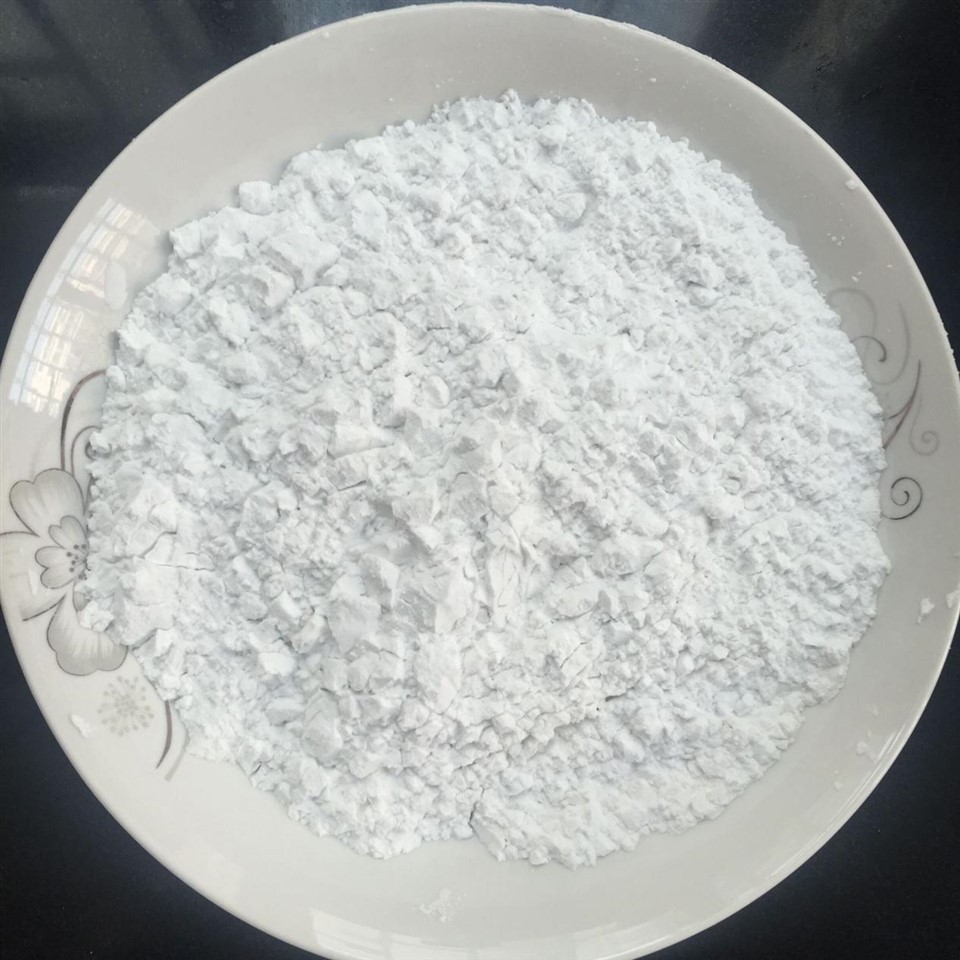
Contact Us for Procurement
If you're in the market for flame retardants, I'd love to hear from you. Whether you have questions about our products, need a sample, or want to discuss a large - scale procurement, don't hesitate to reach out. We're here to help you make your products safer and more fire - resistant.
References
- "Flame Retardancy of Polymeric Materials" by Charles A. Wilkie and Ellen M. Weil
- "Handbook of Flame Retardants" edited by Michael Lewin and Edward M. Pearce