

Chloride is a common anion found in groundwater, and its presence can have significant implications for water quality, human health, and the environment. As a chloride supplier, understanding the sources of chloride in groundwater is crucial for providing customers with high - quality products and effective solutions. In this blog, we will explore the various sources of chloride in groundwater and discuss how our chloride products can play a role in related applications.

Natural Sources of Chloride in Groundwater
Weathering of Rocks and Minerals
One of the primary natural sources of chloride in groundwater is the weathering of rocks and minerals. Some rocks, such as halite (sodium chloride, NaCl) and sylvite (potassium chloride, KCl), contain significant amounts of chloride. Over time, through the action of water, these rocks break down, releasing chloride ions into the groundwater. For example, in arid and semi - arid regions where evaporite deposits are common, groundwater can have relatively high chloride concentrations due to the dissolution of these salt - rich rocks.
When water percolates through the soil and comes into contact with these chloride - bearing minerals, a chemical reaction occurs. The water molecules surround the chloride ions in the minerals and pull them away from the crystal lattice, allowing them to dissolve and enter the groundwater. This process is a slow but continuous source of chloride in many aquifers.
Sea Water Intrusion
In coastal areas, sea water intrusion is a major source of chloride in groundwater. Sea water has a high chloride content, typically around 19,000 mg/L. When the balance between fresh groundwater and sea water is disrupted, for instance, due to excessive groundwater pumping, sea water can infiltrate into the freshwater aquifers.
As sea water moves inland, it mixes with the existing groundwater, increasing the chloride concentration. This can have severe consequences for water quality, as high - chloride groundwater may not be suitable for drinking, irrigation, or industrial use without proper treatment. The extent of sea water intrusion depends on factors such as the distance from the coast, the hydraulic conductivity of the aquifer, and the rate of groundwater withdrawal.
Atmospheric Deposition
Chloride can also enter groundwater through atmospheric deposition. Sea spray, volcanic emissions, and industrial activities release chloride - containing particles into the atmosphere. These particles can be transported over long distances by wind and eventually deposited on the land surface. When it rains or snows, the deposited chloride is washed into the soil and can reach the groundwater.
In coastal regions, sea spray is a significant source of atmospheric chloride. The wind blows the tiny droplets of sea water into the air, and these droplets can carry chloride ions. In areas with volcanic activity, volcanic gases can contain hydrogen chloride (HCl), which can react with water in the atmosphere to form chloride ions. Industrial activities, such as the burning of fossil fuels and waste incineration, can also release chloride - containing compounds into the air.
Anthropogenic Sources of Chloride in Groundwater
Road Salting
During the winter months, road salting is a common practice in many regions to prevent ice formation on roads and highways. Calcium chloride and sodium chloride are the most commonly used salts for this purpose. When these salts are applied to the roads, they dissolve in the melting snow and ice and are washed off into the surrounding soil and water bodies. A significant portion of this salt - laden runoff can infiltrate into the groundwater, increasing its chloride concentration.
The use of Calcium Chloride Dihydrate Powder and Calcium Chloride Dihydrate Flake for road salting has some advantages over sodium chloride. Calcium chloride has a lower freezing point and can be more effective at melting ice at lower temperatures. It also absorbs moisture from the air, which helps to speed up the melting process. However, if not properly managed, the use of these salts can still contribute to elevated chloride levels in groundwater.
Industrial Discharges
Many industries generate chloride - containing wastewaters as a by - product of their manufacturing processes. Industries such as chemical manufacturing, food processing, and oil and gas production often use large amounts of water and chemicals that can contain chloride. If these wastewaters are not treated adequately before being discharged into the environment, they can contaminate the groundwater.
For example, in the chemical industry, the production of chlorine - based chemicals can result in the release of chloride - rich wastewaters. In food processing, the brining of meat and vegetables can generate high - chloride effluents. The oil and gas industry uses large volumes of water for hydraulic fracturing, and the produced water from these operations can have extremely high chloride concentrations.
Waste Disposal
Landfills and septic systems are another source of chloride in groundwater. Landfills contain a variety of waste materials, some of which may contain chloride. As rainwater percolates through the landfill, it leaches out the chloride and other contaminants, forming leachate. If the landfill is not properly lined, the leachate can seep into the underlying groundwater.
Septic systems, which are used for on - site wastewater treatment in many rural areas, can also contribute to chloride contamination. The wastewater from households contains chloride from sources such as human waste, detergents, and food residues. When the septic system discharges the treated effluent into the soil, some of the chloride can reach the groundwater.
Our Role as a Chloride Supplier
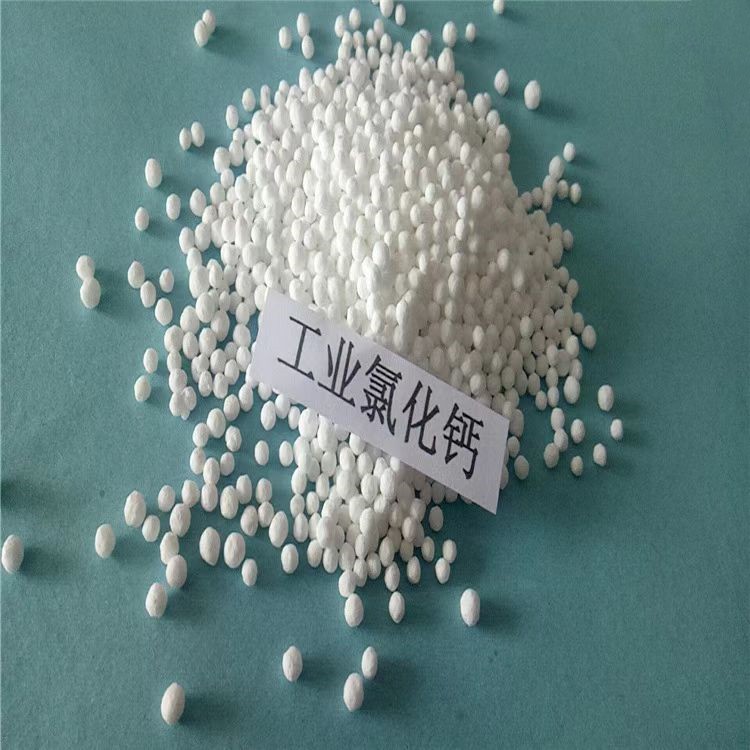
As a chloride supplier, we offer a range of high - quality chloride products, including Calcium Chloride Dihydrate Powder, Calcium Chloride Dihydrate Flake, and Calcium Chloride Prills. These products have various applications related to the sources of chloride in groundwater.
For road salting, our calcium chloride products can be used to effectively melt ice and snow while minimizing the environmental impact. Compared to sodium chloride, calcium chloride has a lower corrosive effect on vehicles and infrastructure, and it can be more efficient at lower temperatures. This means that less salt needs to be applied, reducing the potential for chloride contamination of groundwater.
In industrial applications, our chloride products can be used in water treatment processes. For example, calcium chloride can be used to adjust the hardness of water, remove impurities, and control the pH. By providing high - quality chloride products for industrial use, we can help industries manage their water resources more effectively and reduce the risk of chloride - containing wastewater discharge into the environment.
The Importance of Managing Chloride in Groundwater
High chloride concentrations in groundwater can have several negative impacts. For drinking water, high chloride levels can give the water a salty taste and may also increase the risk of corrosion in plumbing systems. In irrigation, chloride - rich water can damage plants by interfering with their nutrient uptake and causing osmotic stress. In industrial processes, high - chloride water can cause scaling and corrosion in equipment, reducing its efficiency and lifespan.
Therefore, it is essential to manage the sources of chloride in groundwater. This can involve implementing best management practices for road salting, such as using alternative de - icing agents and reducing the amount of salt applied. In coastal areas, measures can be taken to prevent sea water intrusion, such as artificial recharge of aquifers and the regulation of groundwater pumping. Industries need to treat their wastewater properly to remove chloride and other contaminants before discharging it into the environment.
Contact Us for Chloride Procurement
If you are interested in purchasing high - quality chloride products for road salting, industrial applications, or other uses, we are here to help. Our team of experts can provide you with detailed information about our products, their specifications, and how they can meet your specific needs. We strive to offer competitive prices and excellent customer service. Whether you need a small quantity for a local project or a large - scale supply for an industrial operation, we can accommodate your requirements. Contact us today to start the procurement negotiation process and find the best chloride solution for your business.
References
- Appelo, C. A. J., & Postma, D. (2005). Geochemistry, Groundwater and Pollution. CRC Press.
- Fetter, C. W. (2001). Applied Hydrogeology. Prentice Hall.
- National Research Council (2006). Chloride in Fresh Waters: Sources, Patterns, and Potential Effects. The National Academies Press.