

What are the safety data sheets for Potassium Chloride?
Hey there! I'm a supplier of Potassium Chloride, and I often get asked about safety data sheets (SDS) for the products I offer. So, I thought I'd take a moment to break down what these safety data sheets are all about when it comes to Potassium Chloride.
First off, what exactly is a safety data sheet? Well, an SDS is a detailed document that provides information on the properties of a chemical substance, including its physical and chemical characteristics, potential hazards, safety precautions for handling, storage, and disposal, and emergency response procedures. It's like a user manual for the safe use of a chemical, and it's crucial for anyone who works with or around the substance.
Let's start with the basics of Potassium Chloride. Potassium Chloride is a common salt that looks like white or colorless crystals. It's widely used in various industries. In the agricultural sector, it's a key ingredient in fertilizers, helping plants grow strong and healthy. In the food industry, it can be used as a salt substitute for people who need to reduce their sodium intake. And in the medical field, it's used to treat potassium deficiencies. You can find more about Potassium Chloride on our website Potassium Chloride.
Now, let's dig into the safety data sheet for Potassium Chloride.
Identification
The first section of the SDS provides basic identification information. It tells you the product name, which is Potassium Chloride, of course. It also lists the synonyms, such as muriate of potash. You'll find the supplier details, including our contact information (not going to list it here, but you can reach out through the website for that). And it gives you the recommended use of the product, like the applications I mentioned earlier.
Hazard Identification
This is a super important section. It tells you what the potential hazards of Potassium Chloride are. Generally, Potassium Chloride is considered relatively safe when handled properly. But it can still pose some risks.
- Health Hazards: Ingesting large amounts of Potassium Chloride can cause irritation to the digestive tract, leading to nausea, vomiting, and diarrhea. If it gets into your eyes, it can cause irritation and redness. And inhaling the dust can irritate the respiratory system.
- Environmental Hazards: While Potassium Chloride is not highly toxic to the environment, excessive amounts can have an impact on soil and water quality. It can change the salinity of the soil, affecting plant growth, and in high concentrations, it can be harmful to aquatic life.
Composition/Information on Ingredients
Here, you'll find out exactly what's in the Potassium Chloride product. Usually, it's pretty straightforward. The main ingredient is Potassium Chloride itself, with a high purity level. There might be some trace impurities, but they're usually within acceptable limits.
First Aid Measures
This section tells you what to do if someone is exposed to Potassium Chloride in an unsafe way.
- Inhalation: If someone inhales the dust, move them to fresh air. If they're having trouble breathing, seek medical attention right away.
- Eye Contact: Rinse the eyes thoroughly with plenty of water for at least 15 minutes, and then get medical advice.
- Skin Contact: Wash the affected area with soap and water. If there's any irritation, see a doctor.
- Ingestion: If someone swallows a large amount, don't induce vomiting. Give them plenty of water to drink and get medical help immediately.
Fire-Fighting Measures
Potassium Chloride is not flammable. But in a fire situation, it can release irritating fumes. If there's a fire involving Potassium Chloride, use appropriate fire-fighting equipment. For small fires, you can use dry chemical, carbon dioxide, or water spray. For large fires, use water fog, foam, or dry chemical. Make sure to wear proper protective gear, like a self-contained breathing apparatus.
Accidental Release Measures
If there's a spill of Potassium Chloride, you need to act quickly.
- Small Spills: Sweep up the spill and put it in a suitable container for disposal. Avoid generating dust.
- Large Spills: Contain the spill to prevent it from spreading. Use sand or other absorbent materials to soak up the liquid if it's in solution. Then, collect the material and dispose of it properly according to local regulations.
Handling and Storage
When handling Potassium Chloride, you should take some precautions.
- Handling: Wear appropriate protective equipment, like gloves and goggles, to avoid contact with your skin and eyes. Use proper ventilation to prevent inhaling the dust. And make sure to handle it in a clean, dry area.
- Storage: Store Potassium Chloride in a cool, dry place. Keep it away from incompatible substances, like strong acids and bases. It should be stored in a tightly sealed container to prevent moisture from getting in.
Exposure Controls/Personal Protection
This section gives you guidelines on how to control your exposure to Potassium Chloride.
- Engineering Controls: Use local exhaust ventilation to remove any dust from the air. This helps keep the air clean and reduces the risk of inhalation.
- Personal Protective Equipment (PPE): As I mentioned before, wear gloves, goggles, and a dust mask when handling Potassium Chloride. If you're working in an area with a high concentration of dust, you might need to wear a respirator.
Physical and Chemical Properties
Here, you'll find information about the physical and chemical characteristics of Potassium Chloride.
- Appearance: It's usually a white or colorless crystalline powder or granules.
- Odor: It's odorless.
- Solubility: It's highly soluble in water.
- Melting Point: Around 770°C.
- Boiling Point: It decomposes before boiling.
Stability and Reactivity
Potassium Chloride is a relatively stable compound. But it can react with some substances under certain conditions.
- Stability: It's stable under normal conditions of use and storage.
- Incompatible Substances: Avoid contact with strong acids, strong bases, and oxidizing agents. These can cause chemical reactions that might be dangerous.
Toxicological Information
This section provides more detailed information about the health effects of Potassium Chloride. As I mentioned earlier, it can cause irritation to the digestive, respiratory, and ocular systems. But the severity of the effects depends on the amount of exposure.
Ecological Information
Potassium Chloride can have an impact on the environment, especially if it's released in large quantities. It can affect the salinity of soil and water, which can harm plants and aquatic life. So, it's important to handle and dispose of it properly to minimize its environmental impact.

Disposal Considerations
When it comes to disposing of Potassium Chloride, you need to follow local regulations. In most cases, small amounts can be disposed of in the regular trash. But for larger quantities, you might need to take it to a hazardous waste disposal facility.
Transport Information
If you're transporting Potassium Chloride, you need to follow certain rules. It's usually classified as a non-hazardous material for transportation, but you still need to make sure it's properly packaged and labeled.
Regulatory Information
Potassium Chloride is regulated by various government agencies. Make sure you're aware of the regulations in your area when using, handling, and storing the product.
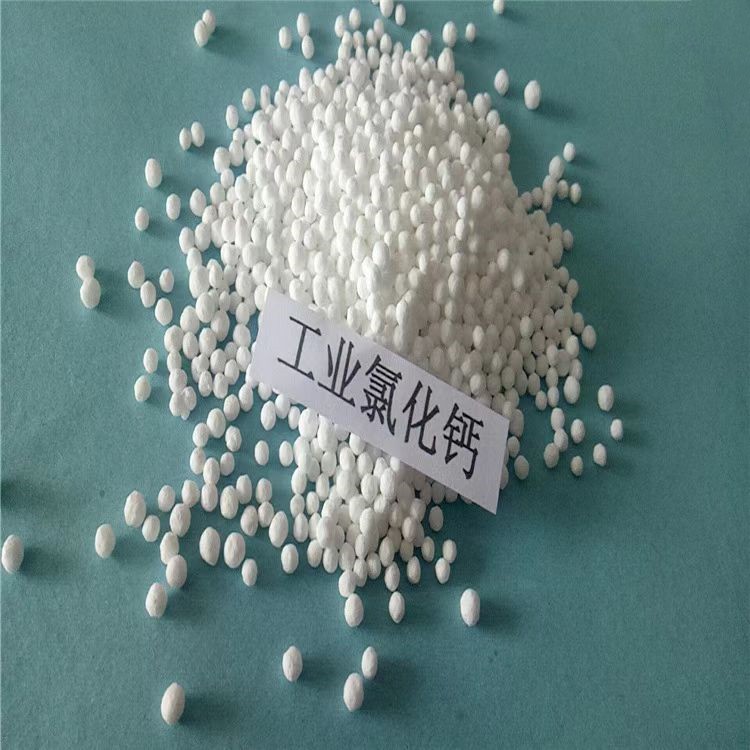
That's a pretty comprehensive overview of the safety data sheet for Potassium Chloride. If you're in the market for high-quality Potassium Chloride, we're here to help. We also offer other related products like Calcium Chloride Powder and Calcium Chloride Prills.
If you have any questions about our products or want to discuss a potential purchase, don't hesitate to reach out through our website. We're always happy to have a chat and see how we can meet your needs.
References
- Various chemical safety databases and industry standards related to Potassium Chloride.