

What are the marketing strategies for Potassium Chloride products?
Hey there! I'm a supplier of Potassium Chloride, and I've been in this business for quite some time. Over the years, I've learned a thing or two about marketing these products effectively. In this blog post, I'm gonna share some of the marketing strategies that have worked for me and can potentially work for you too.
First off, let's understand the market for Potassium Chloride. It's a versatile chemical compound with a wide range of applications. It's commonly used in the agricultural industry as a fertilizer, in the food industry as a salt substitute, and in the pharmaceutical industry for various medical applications. So, our target audience is pretty diverse, which means we need to have different marketing approaches for different segments.
One of the most important strategies is to build a strong online presence. In today's digital age, most businesses start their research online. So, having a professional website is a must. Your website should be easy to navigate, provide detailed information about your Potassium Chloride products, including their specifications, uses, and benefits. You can also include customer testimonials and case studies to build trust with potential buyers.
For example, if a farmer is looking for a good fertilizer, they'll likely search online. If your website comes up in their search results and provides all the information they need, they're more likely to consider your product. You can also optimize your website for search engines (SEO) so that it ranks higher in search results. Use relevant keywords like "Potassium Chloride fertilizer", "Potassium Chloride for food industry", etc. in your website content.
Social media is another powerful tool. Platforms like Facebook, Twitter, and LinkedIn allow you to reach a large audience. You can share interesting facts about Potassium Chloride, its applications, and any new product developments. For instance, you can post about how Potassium Chloride helps in improving crop yields on your Facebook page. This not only educates your audience but also keeps them engaged with your brand.
Another effective strategy is to attend industry trade shows and conferences. These events are a great way to meet potential customers face - to - face. You can set up a booth and showcase your Potassium Chloride products. Provide samples if possible, so that people can see and test the quality of your product. It's also a good opportunity to network with other industry players, learn about the latest trends, and get feedback on your products.
For example, at an agricultural trade show, you can talk to farmers, distributors, and other stakeholders. They might have specific needs or concerns regarding Potassium Chloride as a fertilizer. By listening to them, you can tailor your marketing messages and product offerings accordingly.
Differentiation is key in the market. There are likely other suppliers of Potassium Chloride out there, so you need to highlight what makes your product unique. Maybe your Potassium Chloride has a higher purity level, or it's produced using a more environmentally friendly process. Whatever it is, make sure to communicate these unique selling points (USPs) clearly in your marketing materials.
Let's talk about partnerships. Collaborating with other companies in related industries can be a great marketing strategy. For example, if you partner with a food processing company, they can use your Potassium Chloride as a salt substitute in their products. In return, they can promote your product to their customers. This way, both companies can benefit from the partnership.
You can also offer value - added services. For instance, provide technical support to your customers. If a farmer has questions about how to use Potassium Chloride as a fertilizer, your team can offer advice on the right dosage, application methods, etc. This not only helps the customer but also builds a long - term relationship with them.
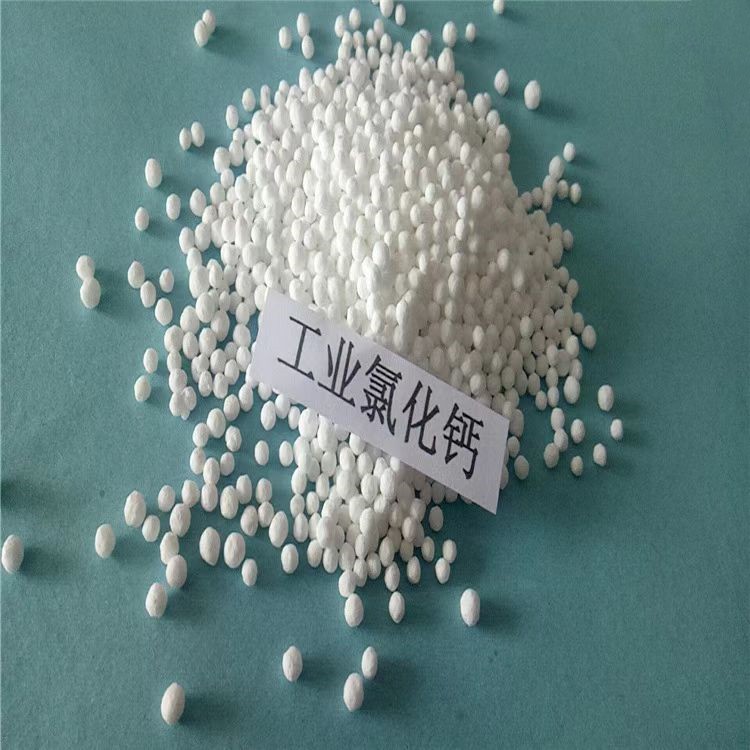
Now, let's mention some related products. We also deal with other chloride products like Calcium Chloride Prills, Calcium Chloride Dihydrate Flake, and Sodium Chloride. These products have their own markets and applications. By promoting these related products alongside Potassium Chloride, you can increase your overall market share.
For example, a customer who is interested in Potassium Chloride for a particular application might also be interested in Calcium Chloride Prills for another use. By offering a range of chloride products, you can become a one - stop - shop for your customers.
Email marketing is still a very effective strategy. Build an email list of potential customers and send them regular newsletters. In these newsletters, you can share product updates, industry news, and special offers. For example, you can offer a discount on Potassium Chloride for a limited time to your email subscribers. This can encourage them to make a purchase.
Customer service is crucial. Make sure to respond to customer inquiries promptly and professionally. If a customer has a complaint or a question, address it as soon as possible. A happy customer is likely to become a repeat customer and may also recommend your products to others.
In conclusion, marketing Potassium Chloride products requires a multi - faceted approach. Building an online presence, attending trade shows, differentiating your product, forming partnerships, offering value - added services, and providing excellent customer service are all important strategies. By implementing these strategies, you can increase the visibility of your Potassium Chloride products, attract more customers, and grow your business.
If you're interested in our Potassium Chloride products or any of our other chloride products, feel free to reach out. We're always ready to have a chat about your needs and how our products can meet them. Let's start a conversation and see how we can work together!

References
- Marketing Management textbooks for general marketing concepts
- Industry reports on the use and market of Potassium Chloride, Calcium Chloride, and Sodium Chloride