

Potassium chloride (KCl) is a widely used chemical compound with a multitude of applications across various industries, including agriculture, food processing, and medicine. As a supplier of potassium chloride, I am acutely aware of the ethical responsibilities that come with providing this substance. In this blog post, I will explore the ethical considerations surrounding the use of potassium chloride, from environmental impacts to human health and safety.
Environmental Considerations
One of the primary ethical concerns in the use of potassium chloride is its potential impact on the environment. Potassium chloride is commonly used as a fertilizer in agriculture to provide essential potassium nutrients to plants. While potassium is a vital element for plant growth, excessive use of potassium chloride fertilizers can lead to environmental problems.
When potassium chloride is applied to the soil, it can leach into groundwater and surface water, contributing to water pollution. High levels of potassium in water bodies can disrupt the natural balance of aquatic ecosystems, leading to eutrophication, algal blooms, and fish kills. Additionally, the production of potassium chloride often involves energy-intensive processes that can contribute to greenhouse gas emissions and climate change.
As a supplier, it is our responsibility to promote the sustainable use of potassium chloride. This includes providing customers with accurate information about the proper application rates and timing of potassium chloride fertilizers to minimize environmental impacts. We can also support research and development efforts to improve the efficiency of potassium chloride production and reduce its environmental footprint.
Human Health and Safety
Another important ethical consideration in the use of potassium chloride is its potential impact on human health and safety. Potassium chloride is used in a variety of medical applications, including as a supplement to treat potassium deficiency and as an ingredient in intravenous solutions. While potassium is an essential nutrient for human health, excessive intake of potassium chloride can be harmful, especially for individuals with kidney problems or other medical conditions.
In addition to its medical uses, potassium chloride is also used in the food industry as a salt substitute. However, some people may be sensitive to potassium chloride and experience side effects such as nausea, vomiting, and diarrhea. As a supplier, it is our responsibility to ensure that potassium chloride products are safe for human consumption and to provide clear labeling and instructions for use.

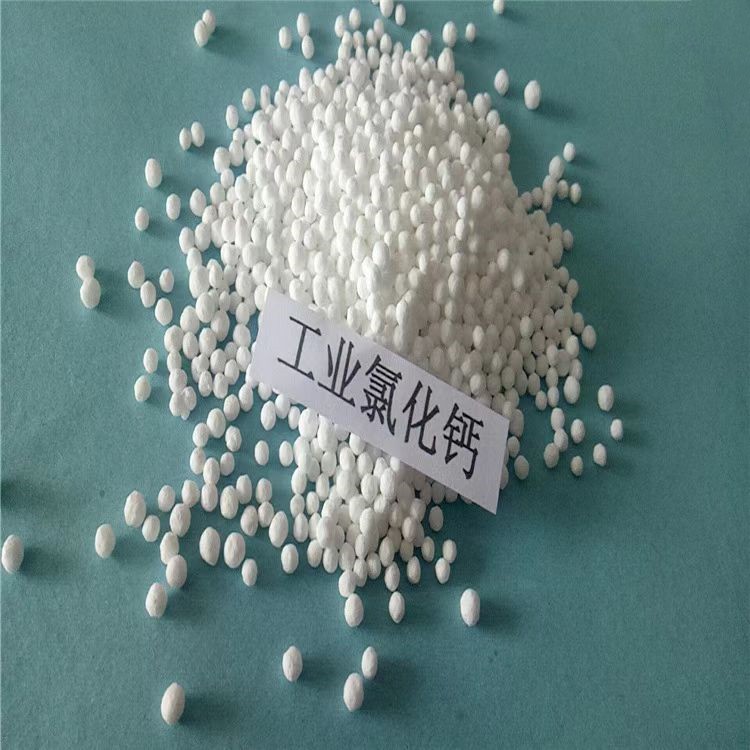
We also need to consider the safety of our employees and the communities where our potassium chloride products are produced and used. Potassium chloride is a corrosive substance that can cause skin and eye irritation, and it can also be hazardous if inhaled or ingested. We must implement strict safety protocols and provide appropriate training to our employees to minimize the risk of accidents and ensure their well-being.
Social and Economic Considerations
In addition to environmental and human health considerations, there are also social and economic factors to consider when it comes to the use of potassium chloride. Potassium chloride is an important commodity that plays a significant role in global agriculture and food production. As a supplier, we have a responsibility to ensure that our products are available and affordable to farmers and other customers around the world.
At the same time, we need to be mindful of the potential social and economic impacts of our business activities. For example, the extraction and production of potassium chloride can have a significant impact on local communities, including displacement of indigenous peoples and disruption of traditional livelihoods. We must work with local communities and stakeholders to ensure that our business activities are conducted in a socially responsible manner and that the benefits of our products are shared equitably.
Ethical Sourcing and Supply Chain Management
As a supplier of potassium chloride, we also have an ethical responsibility to ensure that our products are sourced and produced in a responsible manner. This includes ensuring that our suppliers adhere to high standards of environmental and social responsibility and that our supply chain is transparent and traceable.
We can also support initiatives to promote ethical sourcing and supply chain management in the potassium chloride industry. For example, we can participate in certification programs that verify the sustainability and social responsibility of potassium chloride production. We can also work with our customers to promote the use of sustainable and ethically sourced potassium chloride products.
Conclusion
In conclusion, the use of potassium chloride raises a number of important ethical considerations, including environmental impacts, human health and safety, social and economic factors, and ethical sourcing and supply chain management. As a supplier of potassium chloride, we have a responsibility to address these ethical concerns and to ensure that our products are produced and used in a responsible and sustainable manner.
By promoting the sustainable use of potassium chloride, ensuring its safety for human consumption, and working with local communities and stakeholders, we can help to minimize the negative impacts of potassium chloride use and maximize its benefits. We also encourage our customers to consider the ethical implications of their potassium chloride purchases and to support the use of sustainable and ethically sourced products.
If you are interested in learning more about our potassium chloride products or would like to discuss your specific needs, please feel free to [initiate a conversation about procurement]. We are committed to providing high-quality potassium chloride products and excellent customer service, and we look forward to working with you.
References
- Calcium Chloride Prills
- Calcium Chloride Powder
- Potassium Chloride
- Environmental Protection Agency. (2023). Potassium in Water. Retrieved from [URL]
- World Health Organization. (2023). Potassium: Fact Sheet. Retrieved from [URL]
- Food and Drug Administration. (2023). Potassium Chloride: GRAS Notice. Retrieved from [URL]