

Hey there! As a supplier of Light Soda Ash, I've seen firsthand how temperature can have a real impact on this versatile chemical. In this blog, I'm gonna break down the effects of temperature on Light Soda Ash and why it matters for you.

Solubility Changes with Temperature
One of the most noticeable effects of temperature on Light Soda Ash is its solubility. Light Soda Ash, chemically known as sodium carbonate (Na₂CO₃), has a solubility that varies significantly with temperature. At lower temperatures, the solubility of Light Soda Ash in water is relatively low. For example, in cold water (around 10°C), only a certain amount of Light Soda Ash can dissolve. This means that if you're trying to create a solution of Light Soda Ash in cold water, you won't be able to get as much of it into the solution as you would at higher temperatures.
As the temperature rises, the solubility of Light Soda Ash increases. At around 32.5°C, there's a significant change in the solubility behavior. Above this temperature, the solubility curve changes slope, and the solubility continues to increase with further temperature increases. In hot water (say, 80 - 90°C), a much larger amount of Light Soda Ash can dissolve compared to cold water. This is crucial in industries where Light Soda Ash is used in solution form, like in the detergent and glass - making industries. If you're a detergent manufacturer, adjusting the temperature of the water used in the production process can help you control the concentration of Light Soda Ash in the solution, which in turn affects the cleaning performance of the detergent.
Chemical Reactions and Temperature
Temperature also plays a huge role in the chemical reactions that Light Soda Ash participates in. Light Soda Ash is often used as a reactant in various chemical processes. For instance, it reacts with acids to form salts, water, and carbon dioxide. The rate of this reaction is highly dependent on temperature.
At lower temperatures, the reaction between Light Soda Ash and an acid is relatively slow. The molecules have less kinetic energy, so they collide less frequently and with less force. This means that it takes longer for the reaction to reach completion. On the other hand, at higher temperatures, the kinetic energy of the molecules increases. The acid and Light Soda Ash molecules collide more frequently and with greater force, which speeds up the reaction rate.
In the production of Sodium Bicarbonate, Light Soda Ash is a key raw material. The reaction to convert Light Soda Ash to Sodium Bicarbonate is influenced by temperature. Higher temperatures can increase the reaction rate, allowing for a more efficient production process. However, if the temperature is too high, it can also cause unwanted side reactions or decomposition of the products. So, finding the right temperature range is essential for optimal production.
Physical Properties and Temperature
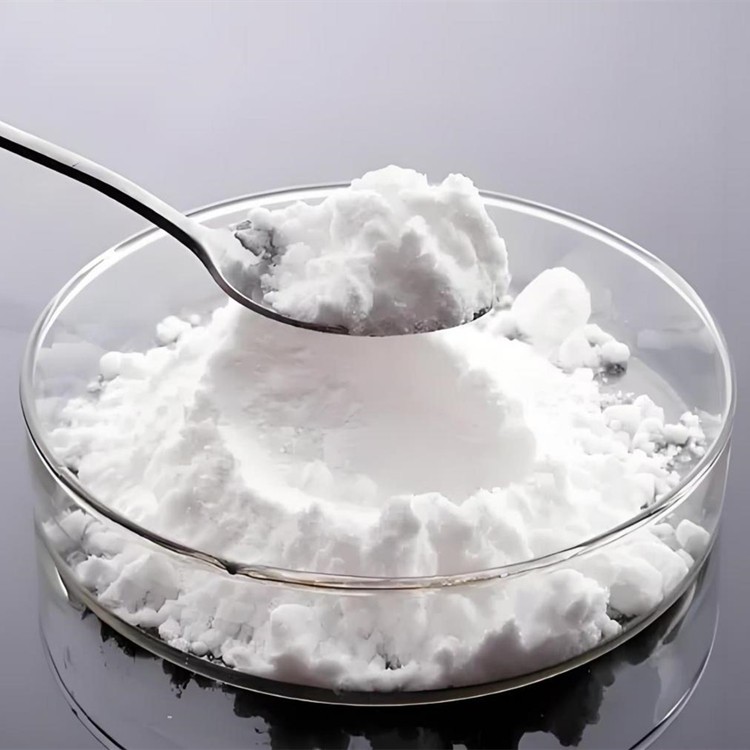
The physical properties of Light Soda Ash are also affected by temperature. At room temperature, Light Soda Ash exists as a white, crystalline powder. But when the temperature changes, its physical state and appearance can be altered.
When heated to high temperatures (above 851°C), Light Soda Ash melts. This molten state is important in some industrial applications, such as in the glass - making industry. In glass production, the molten Light Soda Ash reacts with other raw materials to form the glass matrix. The temperature at which it melts and the properties of the molten state can impact the quality and characteristics of the final glass product.
Moreover, temperature can affect the particle size and shape of Light Soda Ash. In some processes, if the temperature is not controlled properly during the crystallization or drying stages, the particles of Light Soda Ash may agglomerate or form irregular shapes. This can have a negative impact on the flowability and handling of the product. For example, in packaging and transportation, if the Light Soda Ash particles are agglomerated, it can lead to clogging in hoppers and pipelines.
Storage and Temperature
Temperature is a critical factor when it comes to storing Light Soda Ash. If Light Soda Ash is stored in an environment with high humidity and high temperature, it can absorb moisture from the air. This can cause the product to cake or clump together. Caked Light Soda Ash is difficult to handle and may not perform as well in applications.
On the other hand, extremely low temperatures can also pose problems. In cold storage conditions, the solubility of any moisture present in the Light Soda Ash can change, potentially leading to the formation of ice crystals or other solid - state changes. These changes can affect the quality and usability of the product.
To ensure the quality of the Light Soda Ash during storage, it's recommended to store it in a dry, cool place. A temperature range of around 20 - 30°C is generally ideal for long - term storage. This helps to maintain the physical and chemical properties of the product and prevents any unwanted changes.
Impact on Different Industries
The effects of temperature on Light Soda Ash have far - reaching implications for different industries.
In the detergent industry, as mentioned earlier, temperature affects the solubility of Light Soda Ash. A well - controlled temperature during the manufacturing process ensures that the detergent has the right concentration of Light Soda Ash, which is essential for its cleaning power. If the temperature is too low, the Light Soda Ash may not dissolve completely, leading to inconsistent cleaning performance.
The glass - making industry relies heavily on the melting properties of Light Soda Ash. The temperature at which Light Soda Ash melts and reacts with other raw materials determines the quality, transparency, and strength of the glass. A slight variation in temperature can result in differences in the glass's refractive index, color, and durability.
In the chemical manufacturing industry, where Light Soda Ash is used as a reactant in the production of Sodium Hydroxide and Sodium Nitrite, temperature control is crucial. The reaction rates and yields of these products are highly dependent on temperature. Incorrect temperature settings can lead to lower yields, higher production costs, and poor - quality products.
Why It Matters to You
If you're in an industry that uses Light Soda Ash, understanding the effects of temperature is essential for optimizing your processes. By controlling the temperature, you can improve the quality of your products, increase production efficiency, and reduce costs.
For example, if you're a small - scale detergent manufacturer, adjusting the temperature of the water used in your production can help you get the most out of the Light Soda Ash you purchase. You can use less of it while still achieving the same cleaning performance, which means cost savings for your business.
If you're in the glass - making business, precise temperature control during the melting and reaction stages can result in high - quality glass products that command a higher price in the market.
Let's Talk
Whether you're new to using Light Soda Ash or you've been in the game for a while, I'm here to help you understand how temperature can impact your processes. I can provide you with high - quality Light Soda Ash and offer advice on how to optimize its use based on temperature considerations.
If you're interested in purchasing Light Soda Ash or have any questions about its application in your industry, don't hesitate to reach out. Let's have a chat about how we can work together to make your production processes more efficient and your products better.
References
- "Handbook of Industrial Chemistry and Biotechnology"
- "Chemical Engineering Thermodynamics"
- Industry reports on detergent, glass, and chemical manufacturing processes.