

Hey there! As a light soda ash supplier, I've been diving deep into the world of chemical reactions, especially how light soda ash impacts reduction reactions in solutions. In this blog, I'm gonna break down these effects, explain the science behind them, and show you why light soda ash is such a big deal in these processes.
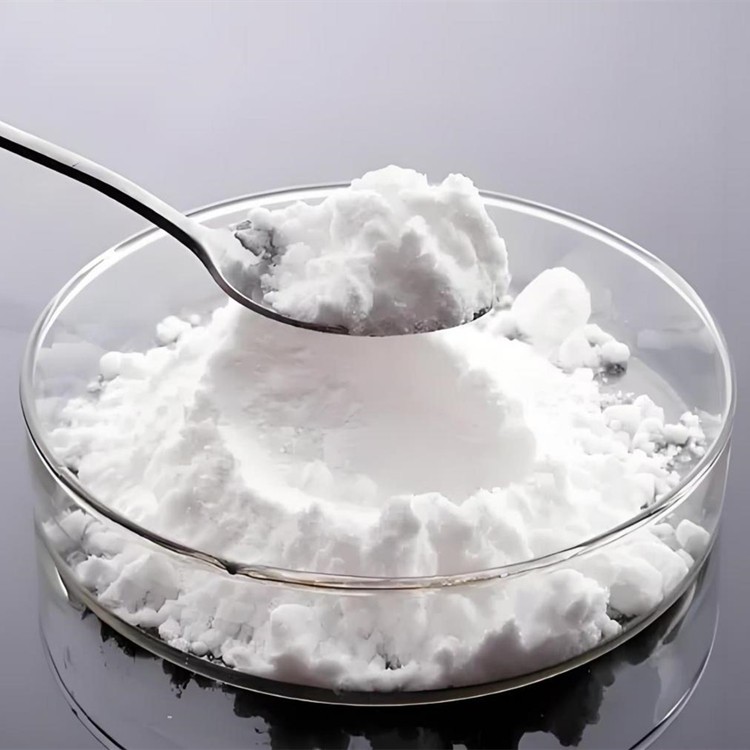
First off, let's talk about what light soda ash is. It's basically sodium carbonate (Na₂CO₃) in a light, powdery form. You might be wondering, "What's so special about it?" Well, light soda ash has a high solubility in water, which makes it super useful in all sorts of chemical reactions, including reduction reactions.
Reduction reactions are all about gaining electrons. In a solution, when a substance undergoes a reduction reaction, it's getting rid of oxygen or gaining hydrogen. Light soda ash plays a crucial role in these reactions in a few different ways.
One of the main effects of light soda ash on reduction reactions is its ability to adjust the pH of the solution. Most reduction reactions work best in a specific pH range. Light soda ash is a basic compound, so when you add it to a solution, it raises the pH. This alkaline environment can be just what some reduction reactions need to kick into gear. For example, in the reduction of metal ions in a solution, a higher pH can make it easier for the metal ions to gain electrons and form metals.
Let's take a look at a real - world example. In the textile industry, light soda ash is used in the reduction of indigo dye. Indigo is a blue dye that needs to be reduced to a soluble form so it can be applied to fabrics. The alkaline conditions created by light soda ash help in the reduction process. When light soda ash is added to the dye bath, it increases the pH, and this allows the reducing agent to work more effectively. The reducing agent, in this case, gains electrons from the indigo molecule, converting it into a leuco - indigo, which is soluble and can be absorbed by the fabric.
Another important effect is related to its buffering capacity. A buffer is a substance that can resist changes in pH when small amounts of acid or base are added. Light soda ash can act as a buffer in a solution. This is really handy in reduction reactions because many of these reactions produce or consume acids or bases as by - products. If the pH were to change too much during the reaction, it could slow down or even stop the reaction altogether. By acting as a buffer, light soda ash keeps the pH stable, ensuring that the reduction reaction proceeds smoothly.
Now, let's talk about some of the compounds that often work alongside light soda ash in reduction reactions. One of these is Sodium Hydroxide. Sodium hydroxide is a strong base, and it can also be used to adjust the pH of a solution. However, it's much more caustic than light soda ash. In some cases, a combination of light soda ash and sodium hydroxide is used to fine - tune the pH of a solution for a reduction reaction. The light soda ash provides a more gentle and controllable increase in pH, while sodium hydroxide can be used for more drastic adjustments when needed.
Sodium Bicarbonate is another compound that has some similarities to light soda ash. It's also a basic compound and can be used in some reduction reactions. However, it has a lower alkalinity compared to light soda ash. In some cases, sodium bicarbonate might be used in situations where a milder increase in pH is required.
Sodium Metabisulfite is a common reducing agent used in many reduction reactions. When light soda ash is present in the solution, it can enhance the performance of sodium metabisulfite. The alkaline environment created by light soda ash can make sodium metabisulfite more effective at donating electrons, which is essential for reduction reactions.
In the pulp and paper industry, light soda ash is used in the reduction of lignin. Lignin is a complex polymer that binds the cellulose fibers in wood together. In the papermaking process, lignin needs to be removed or reduced to make the paper stronger and whiter. Light soda ash is added to the pulping solution to adjust the pH and create an environment where the reducing agents can work efficiently to break down the lignin.
In the chemical synthesis of various organic compounds, light soda ash is also a key player. Many organic reduction reactions require specific pH conditions, and light soda ash can provide just that. For example, in the synthesis of some pharmaceuticals, the reduction of certain functional groups in organic molecules is crucial. Light soda ash can be used to create the optimal pH for these reactions, ensuring high yields and purity of the final products.
Now, if you're in an industry that involves reduction reactions in solutions, you might be thinking about sourcing light soda ash. As a supplier, I can offer you high - quality light soda ash that meets your specific needs. Whether you're in the textile, pulp and paper, chemical synthesis, or any other industry that relies on these reactions, having the right light soda ash can make a huge difference in your process efficiency and product quality.

If you're interested in learning more about how light soda ash can benefit your reduction reactions or if you want to discuss a potential purchase, feel free to reach out. I'm always happy to have a chat and see how I can help you get the most out of light soda ash in your operations.
References
- "Chemical Principles: The Quest for Insight" by Peter Atkins and Loretta Jones
- "Textile Chemistry" by S. C. Anand and K. S. Rajendran
- "Pulp and Paper Chemistry and Technology" by James P. Casey