

Hey there! I'm a supplier of Light Soda Ash, and I've been getting a lot of questions lately about how it affects colorimetric titration reactions. So, I thought I'd write this blog post to share some insights and clear up any confusion you might have.
First off, let's quickly go over what colorimetric titration is. It's a method of chemical analysis where we use a color change to determine the endpoint of a titration. In simpler terms, we add a titrant (a solution of known concentration) to a sample until a color change indicates that the reaction is complete. This method is super useful in various industries, like food, pharmaceuticals, and environmental science, to measure the concentration of specific substances in a sample.
Now, let's dive into how Light Soda Ash comes into play. Light Soda Ash, also known as sodium carbonate (Na₂CO₃), is a common chemical used in many industrial processes. It's a white, crystalline powder that's highly soluble in water, and it has a wide range of applications, from glass manufacturing to water treatment.
Effects on Reaction pH
One of the main effects of Light Soda Ash on colorimetric titration reactions is its impact on the pH of the solution. When we add Light Soda Ash to a solution, it dissociates into sodium ions (Na⁺) and carbonate ions (CO₃²⁻). The carbonate ions can react with water to form bicarbonate ions (HCO₃⁻) and hydroxide ions (OH⁻), which increases the pH of the solution.
Why does this matter in colorimetric titration? Well, many color indicators used in titration reactions are pH-sensitive. They change color at specific pH ranges, and the endpoint of the titration is determined by this color change. By increasing the pH, Light Soda Ash can shift the pH range at which the color change occurs, affecting the accuracy of the titration results.
For example, let's say we're using a color indicator that changes color at a pH of 7 to 8. If we add Light Soda Ash to the solution, it might increase the pH to above 8, causing the color change to occur earlier than expected. This could lead to an overestimation of the concentration of the substance we're trying to measure.
Buffering Capacity
Another important effect of Light Soda Ash is its buffering capacity. A buffer is a solution that resists changes in pH when small amounts of acid or base are added. Light Soda Ash can act as a buffer because of the equilibrium between carbonate ions (CO₃²⁻), bicarbonate ions (HCO₃⁻), and carbonic acid (H₂CO₃).
In a colorimetric titration, the buffering capacity of Light Soda Ash can be both beneficial and a drawback. On one hand, it can help maintain a relatively stable pH during the titration, which is important for accurate color change detection. This is especially useful when dealing with samples that have a high ionic strength or when the titrant has a strong acid or base character.
On the other hand, if the buffering capacity is too high, it can make it difficult to reach the endpoint of the titration. The buffer will resist the change in pH caused by the addition of the titrant, and we may need to add a larger amount of the titrant to cause the color change. This can lead to longer titration times and increased consumption of the titrant.
Interference with Color Indicators
Light Soda Ash can also interfere with the color change of some color indicators. Some indicators may form complexes with the carbonate ions or other components in Light Soda Ash, which can change the color of the indicator or prevent the color change from occurring.
For example, certain metal ion indicators may react with the carbonate ions in Light Soda Ash to form insoluble precipitates. This can make it difficult to observe the color change at the endpoint of the titration. In such cases, we may need to use a different color indicator or modify the titration procedure to avoid interference.
Impact on Reaction Kinetics
The presence of Light Soda Ash can also affect the reaction kinetics of the colorimetric titration. Reaction kinetics refers to the speed at which a chemical reaction occurs. Light Soda Ash can either accelerate or slow down the reaction, depending on the specific reaction and the conditions.
In some cases, the carbonate ions in Light Soda Ash can act as catalysts, speeding up the reaction between the titrant and the analyte. This can lead to a faster color change and a shorter titration time. However, in other cases, the carbonate ions may react with the titrant or the analyte, forming intermediate compounds that slow down the reaction.
Practical Considerations
When using Light Soda Ash in colorimetric titration reactions, there are a few practical considerations to keep in mind. First, it's important to choose the right concentration of Light Soda Ash. If the concentration is too high, it can cause the problems we discussed earlier, such as pH shifts and interference with color indicators. If the concentration is too low, it may not have the desired effect on the reaction.
Second, we need to be careful about the order of addition. In some cases, it may be necessary to add Light Soda Ash before the titrant to adjust the pH and create a suitable environment for the titration. In other cases, we may need to add it after the titrant to ensure that it doesn't react with the titrant or interfere with the color change.
Finally, it's always a good idea to perform some preliminary experiments to determine the optimal conditions for the titration. This can help us avoid any potential problems and ensure accurate and reliable results.
Other Related Chemicals
While we're on the topic of chemicals used in titration reactions, it's worth mentioning a couple of other related chemicals that you might come across: Sodium Bicarbonate and Sodium Metabisulfite.
Sodium bicarbonate (NaHCO₃) is similar to Light Soda Ash in that it can also affect the pH of a solution. However, it's a weaker base than sodium carbonate, and it has a different buffering capacity. Sodium bicarbonate is often used in applications where a milder pH adjustment is needed, or where a lower alkalinity is desired.

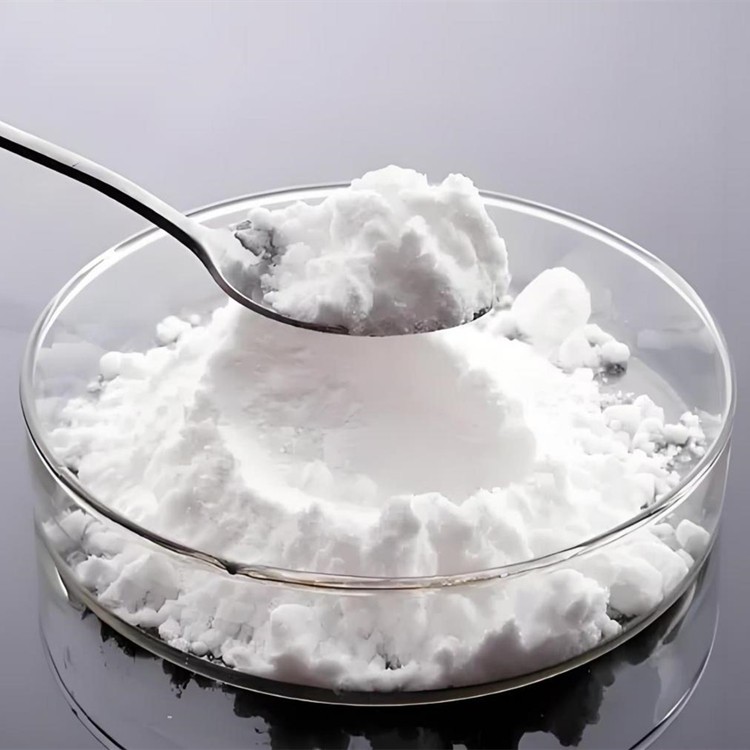
Sodium metabisulfite (Na₂S₂O₅) is a reducing agent that's commonly used in titration reactions to remove oxygen or other oxidizing agents from the solution. It can also be used to adjust the pH and to prevent the oxidation of certain analytes. However, it can react with some color indicators, so we need to be careful when using it in colorimetric titration.
Conclusion
In conclusion, Light Soda Ash can have several effects on colorimetric titration reactions, including changes in pH, buffering capacity, interference with color indicators, and impact on reaction kinetics. Understanding these effects is crucial for accurate and reliable titration results.
If you're in the market for high-quality Light Soda Ash for your titration needs or other industrial applications, I'm here to help. I can provide you with the right product and offer technical support to ensure that you get the best results. Don't hesitate to reach out if you have any questions or if you're interested in discussing a potential purchase. Let's work together to find the perfect solution for your business!
References
- Harris, D. C. (2015). Quantitative Chemical Analysis. W. H. Freeman and Company.
- Skoog, D. A., West, D. M., Holler, F. J., & Crouch, S. R. (2013). Fundamentals of Analytical Chemistry. Cengage Learning.