

Chloride is an essential electrolyte in the human body, playing a crucial role in maintaining fluid balance, acid - base equilibrium, and proper nerve and muscle function. As a chloride supplier, I am often interested in understanding the broader implications of chloride in various physiological systems, especially the cardiovascular system. In this blog post, we will explore the effects of chloride on the cardiovascular system from multiple perspectives.
Chloride and Fluid Balance in the Cardiovascular System
One of the primary roles of chloride in the cardiovascular system is related to fluid balance. Chloride ions, along with sodium ions, are the major extracellular anions. They work together to regulate the osmotic pressure of the extracellular fluid. When the concentration of chloride in the extracellular fluid changes, it can lead to alterations in fluid movement between the blood vessels and the surrounding tissues.
For example, an increase in extracellular chloride concentration can cause water to move out of cells and into the extracellular space. In the context of the cardiovascular system, this can lead to an increase in blood volume. An elevated blood volume puts additional pressure on the blood vessel walls, which can potentially increase blood pressure. Conversely, a decrease in extracellular chloride concentration may result in water moving into cells, reducing blood volume and potentially lowering blood pressure.
Chloride and Blood Pressure Regulation
Blood pressure is a critical parameter in cardiovascular health, and chloride has a complex role in its regulation. Chloride channels in the blood vessels can influence vascular tone. Some studies have shown that chloride channels in vascular smooth muscle cells can affect the membrane potential of these cells. When the membrane potential changes, it can lead to the opening or closing of calcium channels, which in turn affects the contraction and relaxation of vascular smooth muscle.
In addition, the renin - angiotensin - aldosterone system (RAAS), a key regulator of blood pressure, is also influenced by chloride. Aldosterone, a hormone in the RAAS, promotes sodium reabsorption in the kidneys. Chloride is usually reabsorbed along with sodium to maintain electrical neutrality. Changes in chloride levels can affect the efficiency of this reabsorption process, thereby influencing blood volume and blood pressure.
Chloride and Cardiac Function
Chloride also has an impact on cardiac function. Cardiac muscle cells have chloride channels that are involved in the regulation of the cardiac action potential. The cardiac action potential is a series of electrical events that control the contraction and relaxation of the heart. Chloride channels can influence the repolarization phase of the cardiac action potential.
Altered chloride channel function can lead to arrhythmias. For example, some inherited cardiac disorders are associated with mutations in chloride channel genes. These mutations can disrupt the normal flow of chloride ions in cardiac cells, leading to abnormal electrical activity in the heart. On the other hand, maintaining normal chloride levels is important for the proper functioning of the electro - mechanical coupling in the heart, which ensures efficient pumping of blood.
Implications of Chloride Deficiency or Excess
Chloride deficiency, also known as hypochloremia, can have detrimental effects on the cardiovascular system. As mentioned earlier, it can lead to a decrease in blood volume and subsequent hypotension. In addition, hypochloremia can disrupt the acid - base balance, which can further affect cardiac function. The heart may not be able to function optimally in an environment with abnormal acid - base conditions.
Chloride excess, or hyperchloremia, is also a concern. It can cause an increase in blood volume and blood pressure, putting extra strain on the heart and blood vessels. Chronic hyperchloremia has been associated with an increased risk of cardiovascular diseases such as hypertension and heart failure.

Our Chloride Products for Related Research and Applications
As a chloride supplier, we offer a wide range of high - quality chloride products. Our Calcium Chloride Dihydrate Flake is a popular choice for many applications. It is highly soluble in water and can be used in various laboratory studies related to the effects of chloride on the cardiovascular system. The flake form makes it easy to handle and measure.
Our Calcium Chloride Dihydrate Powder is another excellent option. The powder has a large surface area, which allows for rapid dissolution. This can be particularly useful in experiments where a quick release of chloride ions is required.
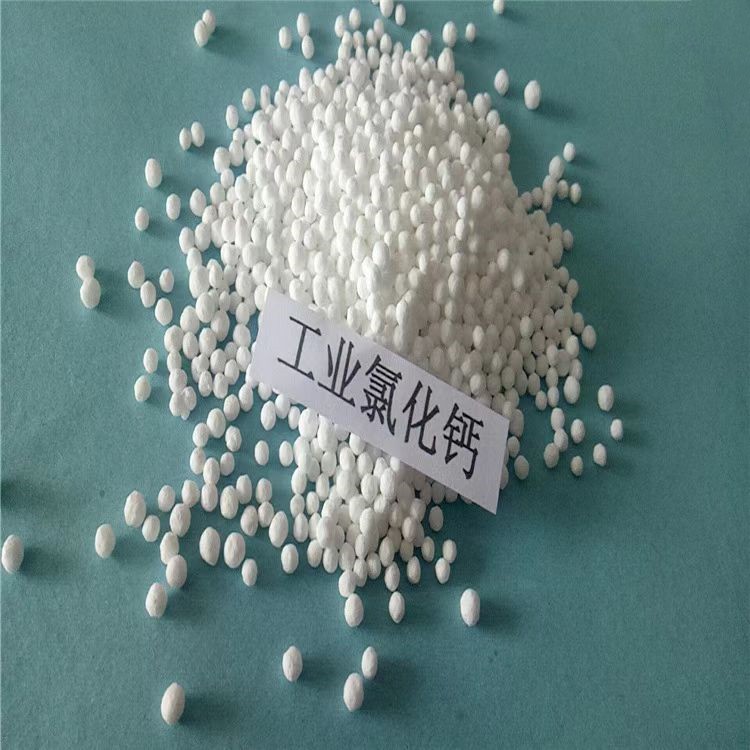
We also provide Calcium Chloride Prills. The prill form offers good flow properties and is suitable for automated dosing systems. These products can be used not only in research but also in some industrial applications related to the study of chloride - cardiovascular interactions.
Contact Us for Procurement
If you are interested in exploring the effects of chloride on the cardiovascular system further or have applications that require high - quality chloride products, we are here to help. Whether you are a researcher in a laboratory, a medical professional, or an industry expert, our products can meet your needs. We look forward to discussing your specific requirements and working with you to find the best chloride solutions.
References
- Hebert SC, Gamba G, Miranda GA, et al. Molecular physiology of electroneutral cation - chloride cotransporters. Physiol Rev. 2004;84(2):849 - 918.
- Weinberger MH. Salt and blood pressure. Am J Hypertens. 2007;20(1):1 - 16.
- Zygmunt AC, Gibbons WJ, Nelson MT. Chloride channels in vascular smooth muscle. Am J Physiol Heart Circ Physiol. 2000;279(2):H711 - H720.