

Alkalis, a group of chemical substances with basic properties, have a wide range of applications in various industries. As an alkalis supplier, I have witnessed firsthand the significant impact alkalis can have on different materials, including rubber. In this blog post, I will explore the effects of alkalis on rubber materials, delving into both the positive and negative aspects.
Chemical Composition and Properties of Rubber
Before discussing the effects of alkalis on rubber, it is essential to understand the chemical composition and properties of rubber. Rubber is a polymer, a large molecule made up of repeating units called monomers. There are two main types of rubber: natural rubber and synthetic rubber. Natural rubber is derived from the latex of rubber trees, while synthetic rubber is produced through chemical synthesis.
Rubber has several unique properties that make it valuable in many applications. It is elastic, meaning it can stretch and return to its original shape. It is also resistant to water, chemicals, and abrasion. However, these properties can be affected by exposure to alkalis.

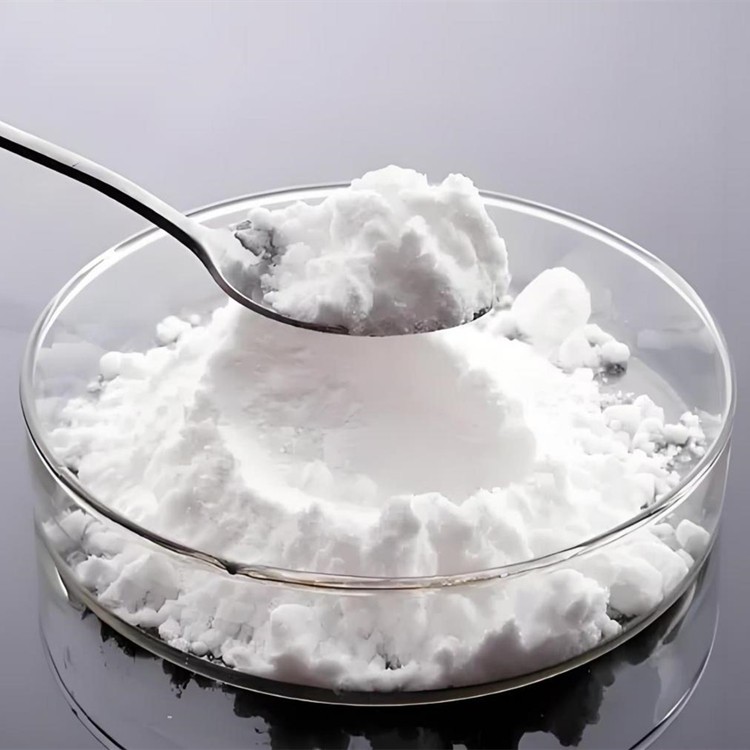
Effects of Alkalis on Rubber
Swelling and Softening
One of the most common effects of alkalis on rubber is swelling and softening. When rubber comes into contact with alkalis, the alkali molecules can penetrate the rubber matrix and cause the rubber to absorb water. This absorption of water leads to an increase in volume, resulting in swelling. The swelling can cause the rubber to lose its shape and become softer, which can affect its mechanical properties.
The degree of swelling and softening depends on several factors, including the type of rubber, the concentration of the alkali, and the duration of exposure. For example, natural rubber is more susceptible to swelling and softening than synthetic rubber. Additionally, higher concentrations of alkalis and longer exposure times can lead to more significant swelling and softening.
Chemical Degradation
In addition to swelling and softening, alkalis can also cause chemical degradation of rubber. Alkalis can react with the chemical bonds in rubber, breaking them down and altering the structure of the rubber. This chemical degradation can lead to a loss of mechanical properties, such as strength and elasticity.
The chemical degradation of rubber by alkalis can occur through several mechanisms. One mechanism is hydrolysis, which is the reaction of water with the chemical bonds in rubber. Alkalis can catalyze this hydrolysis reaction, accelerating the breakdown of the rubber. Another mechanism is oxidation, which is the reaction of oxygen with the rubber. Alkalis can increase the rate of oxidation, leading to further degradation of the rubber.
Crosslinking and Hardening
In some cases, alkalis can also cause crosslinking and hardening of rubber. Crosslinking is the process of forming chemical bonds between the polymer chains in rubber, which can increase the strength and stiffness of the rubber. Alkalis can initiate crosslinking reactions in rubber, leading to the formation of a more rigid and less elastic material.
The crosslinking and hardening of rubber by alkalis can be beneficial in some applications. For example, in the production of rubber seals and gaskets, crosslinking can improve the sealing performance of the rubber. However, excessive crosslinking can also lead to a loss of flexibility and elasticity, which can affect the performance of the rubber in other applications.
Factors Affecting the Effects of Alkalis on Rubber
The effects of alkalis on rubber can be influenced by several factors, including:
- Type of Rubber: Different types of rubber have different chemical compositions and structures, which can affect their susceptibility to the effects of alkalis. For example, natural rubber is more susceptible to swelling and chemical degradation than synthetic rubber.
- Concentration of Alkali: The concentration of the alkali can also affect the degree of swelling, softening, and chemical degradation of rubber. Higher concentrations of alkalis generally lead to more significant effects.
- Temperature: Temperature can also play a role in the effects of alkalis on rubber. Higher temperatures can accelerate the chemical reactions between the alkali and the rubber, leading to more rapid degradation.
- Duration of Exposure: The longer the rubber is exposed to the alkali, the more significant the effects are likely to be. Prolonged exposure can lead to more extensive swelling, softening, and chemical degradation.
Applications and Considerations
Despite the potential negative effects of alkalis on rubber, there are also some applications where the interaction between alkalis and rubber can be beneficial. For example, in the rubber vulcanization process, alkalis can be used as accelerators to speed up the crosslinking reaction. Additionally, in some industrial processes, rubber materials may be exposed to alkalis as part of the normal operating conditions. In these cases, it is important to select the appropriate type of rubber and to take steps to minimize the potential damage.
When using rubber materials in applications where they may come into contact with alkalis, it is important to consider the following:
- Select the Right Rubber: Choose a rubber material that is resistant to the specific alkali and operating conditions. For example, some synthetic rubbers, such as nitrile rubber and fluorocarbon rubber, are more resistant to alkalis than natural rubber.
- Control the Exposure: Minimize the duration and concentration of exposure to alkalis. This can be achieved through proper handling, storage, and use of the rubber materials.
- Monitor the Condition: Regularly inspect the rubber materials for signs of swelling, softening, or chemical degradation. If any issues are detected, take appropriate action to address them.
Conclusion
In conclusion, alkalis can have a significant impact on rubber materials, both positive and negative. The effects of alkalis on rubber depend on several factors, including the type of rubber, the concentration of the alkali, the temperature, and the duration of exposure. While alkalis can cause swelling, softening, and chemical degradation of rubber, they can also be used to initiate crosslinking and hardening reactions.
As an alkalis supplier, I understand the importance of providing high-quality alkalis that are suitable for various applications. I also recognize the need to educate my customers about the potential effects of alkalis on different materials, including rubber. By working together, we can ensure that the alkalis are used safely and effectively, minimizing the potential damage to rubber materials.
If you are interested in learning more about our alkalis products or have any questions about the effects of alkalis on rubber materials, please feel free to [initiate a conversation with us]. We are here to provide you with the information and support you need to make informed decisions.
References
- ASTM D471 - Standard Test Method for Rubber Property - Effect of Liquids
- ISO 1817 - Rubber, Vulcanized or Thermoplastic - Determination of the Effect of Liquids
- Kroschwitz, J. I., & Howe - Grant, M. (Eds.). (2004). Kirk - Othmer Encyclopedia of Chemical Technology. John Wiley & Sons.