

As a potassium chloride supplier, I've witnessed firsthand the dynamic nature of the market, which is heavily influenced by a multitude of economic factors. Understanding these elements is crucial for both suppliers like me and buyers looking to make informed decisions. In this blog post, I'll delve into the key economic factors that shape the potassium chloride market.
Supply and Demand Dynamics
The fundamental economic principle of supply and demand plays a pivotal role in the potassium chloride market. Potassium chloride, commonly known as muriate of potash, is a vital component in fertilizers, accounting for a significant portion of its global consumption. The demand for fertilizers is closely tied to agricultural activities, which are in turn influenced by population growth, dietary preferences, and biofuel production.
As the global population continues to expand, the need for increased food production rises, driving up the demand for fertilizers. Additionally, changing dietary habits, particularly in emerging economies, are leading to a greater demand for meat and dairy products. Since livestock feed requires high - quality grains, which are often grown with the help of fertilizers, this further fuels the demand for potassium chloride.
On the supply side, potassium chloride is primarily produced through mining and extraction processes. The availability of potassium - rich deposits is geographically concentrated, with major producers including Canada, Russia, Belarus, and Germany. Any disruptions in production, such as labor strikes, natural disasters, or regulatory changes in these key producing regions, can significantly impact the global supply of potassium chloride. For example, political instability in a major producing country could lead to production halts, causing a shortage in the market and driving up prices.
Production Costs
The cost of producing potassium chloride is another significant economic factor. Mining and processing operations require substantial capital investment in equipment, infrastructure, and labor. Energy costs also play a crucial role, as the extraction and refining processes are energy - intensive. Fluctuations in energy prices, such as the cost of oil and natural gas, can have a direct impact on production costs.
In addition to energy, labor costs are a major consideration. Skilled labor is required for mining, processing, and quality control, and wage increases or labor shortages can drive up production expenses. Moreover, environmental regulations and compliance costs are becoming increasingly important. Producers must adhere to strict environmental standards, which may involve additional investments in pollution control equipment and waste management, further adding to the overall cost of production.
Currency Exchange Rates
Potassium chloride is a globally traded commodity, and currency exchange rates can have a profound impact on its market. Most international trade in potassium chloride is denominated in US dollars. When the US dollar strengthens against other currencies, it becomes more expensive for buyers in countries with weaker currencies to purchase potassium chloride. This can lead to a decrease in demand from these regions, as buyers may look for alternative products or delay their purchases.
Conversely, a weaker US dollar makes potassium chloride more affordable for international buyers, potentially increasing demand. For suppliers, exchange rate fluctuations also affect their revenue. A strong domestic currency relative to the US dollar can reduce the profitability of exports, as the revenue received in US dollars is worth less when converted back into the domestic currency.
Competition from Substitutes
The potassium chloride market faces competition from substitutes, which can influence its economic landscape. One such substitute is Sodium Chloride. While sodium chloride is not a direct replacement for potassium chloride in fertilizers, it can be used in some industrial applications where the properties of chloride are required. In certain cases, sodium chloride may be a more cost - effective option, depending on the specific requirements of the application.
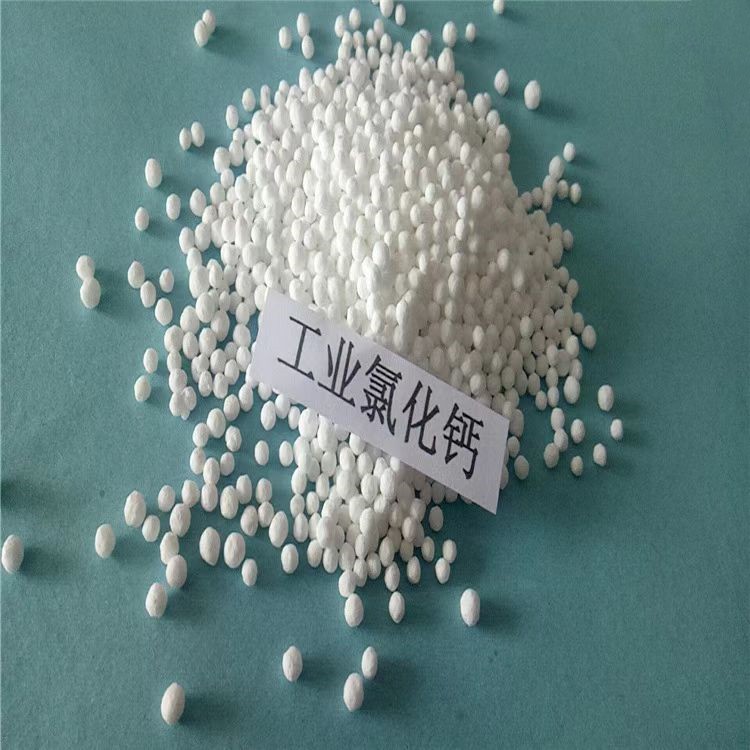
Another substitute is Calcium Chloride Prills. Calcium chloride has different chemical properties compared to potassium chloride but can be used in some similar applications, such as de - icing and dust control. The availability and cost of these substitutes can impact the demand for potassium chloride. If the price of a substitute decreases significantly, buyers may switch to using the substitute instead of potassium chloride.
Global Economic Growth
The overall state of the global economy also has an impact on the potassium chloride market. During periods of economic growth, there is generally an increase in construction, manufacturing, and agricultural activities. This leads to higher demand for potassium chloride in various industries, including fertilizers for agriculture and chemicals for manufacturing.
In contrast, during an economic recession, demand for potassium chloride may decline. Reduced consumer spending can lead to lower demand for agricultural products, which in turn reduces the need for fertilizers. Additionally, construction and manufacturing activities may slow down, resulting in less demand for potassium chloride in industrial applications.
Government Policies and Subsidies
Government policies and subsidies can have a significant influence on the potassium chloride market. In many countries, governments provide subsidies to farmers to encourage the use of fertilizers, which can increase the demand for potassium chloride. These subsidies can make fertilizers more affordable for farmers, leading to higher consumption.
On the other hand, government regulations can also impact the market. For example, some countries may impose import tariffs or quotas on potassium chloride to protect domestic producers. These trade barriers can limit the supply of imported potassium chloride, affecting the market price and availability. Additionally, environmental regulations regarding the use of fertilizers can influence the demand for potassium chloride, as farmers may be required to use more environmentally friendly products or reduce their overall fertilizer usage.

Market Speculation
Market speculation can also cause fluctuations in the potassium chloride market. Traders and investors may buy or sell potassium chloride futures contracts based on their expectations of future price movements. Speculation can be driven by a variety of factors, including news about supply disruptions, changes in demand, or macroeconomic trends.
Excessive speculation can lead to price volatility in the short term. If speculators anticipate a shortage in the market, they may buy up futures contracts, driving up the price of potassium chloride even before there is an actual change in supply or demand. This can create an artificial price bubble, which may burst if the expected supply or demand changes do not materialize.
Conclusion
In conclusion, the potassium chloride market is influenced by a complex interplay of economic factors, including supply and demand dynamics, production costs, currency exchange rates, competition from substitutes, global economic growth, government policies, and market speculation. As a supplier, it's essential to closely monitor these factors to make informed decisions about production, pricing, and marketing strategies.
For buyers, understanding these economic factors can help in planning their purchases and negotiating better deals. If you're interested in purchasing Potassium Chloride, I encourage you to reach out to discuss your specific requirements. Whether you're a large - scale agricultural producer or an industrial user, I'm here to provide high - quality potassium chloride products and work with you to meet your needs.
References
- International Fertilizer Association (IFA). Annual reports on fertilizer market trends.
- United Nations Conference on Trade and Development (UNCTAD). Commodity market reviews.
- World Bank. Reports on global economic growth and commodity prices.