

As a supplier of Brominated Polystyrene, I've witnessed firsthand the intricate challenges that come with its production. Brominated Polystyrene, a widely used flame retardant, offers excellent thermal stability, high bromine content, and low volatility, making it a popular choice in various industries such as electronics, automotive, and construction. However, the journey from raw materials to the final product is fraught with obstacles that require careful navigation.
Raw Material Sourcing
One of the primary challenges in the production of Brominated Polystyrene lies in sourcing high - quality raw materials. The main components for Brominated Polystyrene production are polystyrene and bromine. Polystyrene quality can vary significantly among suppliers. Low - quality polystyrene may contain impurities such as residual monomers, oligomers, or additives that can affect the bromination reaction. These impurities can lead to inconsistent bromination levels, which in turn impact the flame - retardant properties of the final product.
Bromine, on the other hand, is a volatile and corrosive element. Its price is subject to market fluctuations due to factors such as supply and demand, geopolitical issues, and production costs. Obtaining a stable and cost - effective supply of bromine is crucial for the continuous and profitable production of Brominated Polystyrene. In some cases, sudden shortages of bromine can disrupt the production schedule, leading to delays in fulfilling customer orders.
Bromination Reaction Control
The bromination reaction is the heart of Brominated Polystyrene production. Controlling this reaction is extremely challenging due to its exothermic nature. The reaction between polystyrene and bromine releases a large amount of heat, which, if not properly managed, can lead to side reactions and degradation of the polymer. For example, overheating can cause the polystyrene chains to break, resulting in a product with lower molecular weight and reduced mechanical properties.
Achieving the desired degree of bromination is also a delicate balance. A low degree of bromination may not provide sufficient flame - retardant performance, while an over - brominated product can be more expensive to produce and may have environmental and health concerns. Precise control of reaction conditions such as temperature, pressure, reaction time, and the ratio of reactants is essential. Advanced monitoring and control systems are required to ensure that the bromination reaction proceeds smoothly and consistently.
Environmental and Safety Concerns
The production of Brominated Polystyrene is associated with several environmental and safety challenges. Bromine and its derivatives are toxic and can pose risks to human health and the environment. During the production process, there is a potential for bromine leakage, which can cause respiratory problems, skin irritation, and environmental pollution.
To mitigate these risks, strict safety measures must be implemented in the production facilities. This includes proper ventilation systems, personal protective equipment for workers, and emergency response plans in case of leaks or spills. Additionally, waste management is a significant issue. The production process generates waste streams containing brominated compounds, which need to be treated and disposed of properly to prevent environmental contamination.
Quality Control
Maintaining consistent product quality is a constant challenge in Brominated Polystyrene production. The flame - retardant performance of Brominated Polystyrene depends on several factors, including the degree of bromination, molecular weight distribution, and the presence of impurities. Even small variations in these parameters can have a significant impact on the product's effectiveness.
Quality control involves a series of tests and analyses at different stages of the production process. For example, spectroscopy techniques can be used to determine the degree of bromination, while gel permeation chromatography can analyze the molecular weight distribution. These tests require specialized equipment and trained personnel. Any deviation from the quality standards must be addressed immediately to ensure that the final product meets the customer's requirements.
Regulatory Compliance
The production and use of Brominated Polystyrene are subject to various regulations around the world. Different countries and regions have different requirements regarding the use of flame retardants, especially those containing bromine. Some regulations restrict the use of certain brominated compounds due to their potential environmental and health impacts.
Staying compliant with these regulations is a complex task. It requires continuous monitoring of regulatory changes, adapting production processes to meet new requirements, and obtaining the necessary certifications. Failure to comply with regulations can result in significant fines, legal issues, and damage to the company's reputation.
Competition and Market Dynamics
The market for flame retardants is highly competitive, and Brominated Polystyrene faces competition from other flame - retardant products such as Methyl Octabromoether and Brominated Styrene - butadiene - styrene Block Copolymer. These competing products may offer similar or even better performance in some applications, and they may also be more cost - effective.
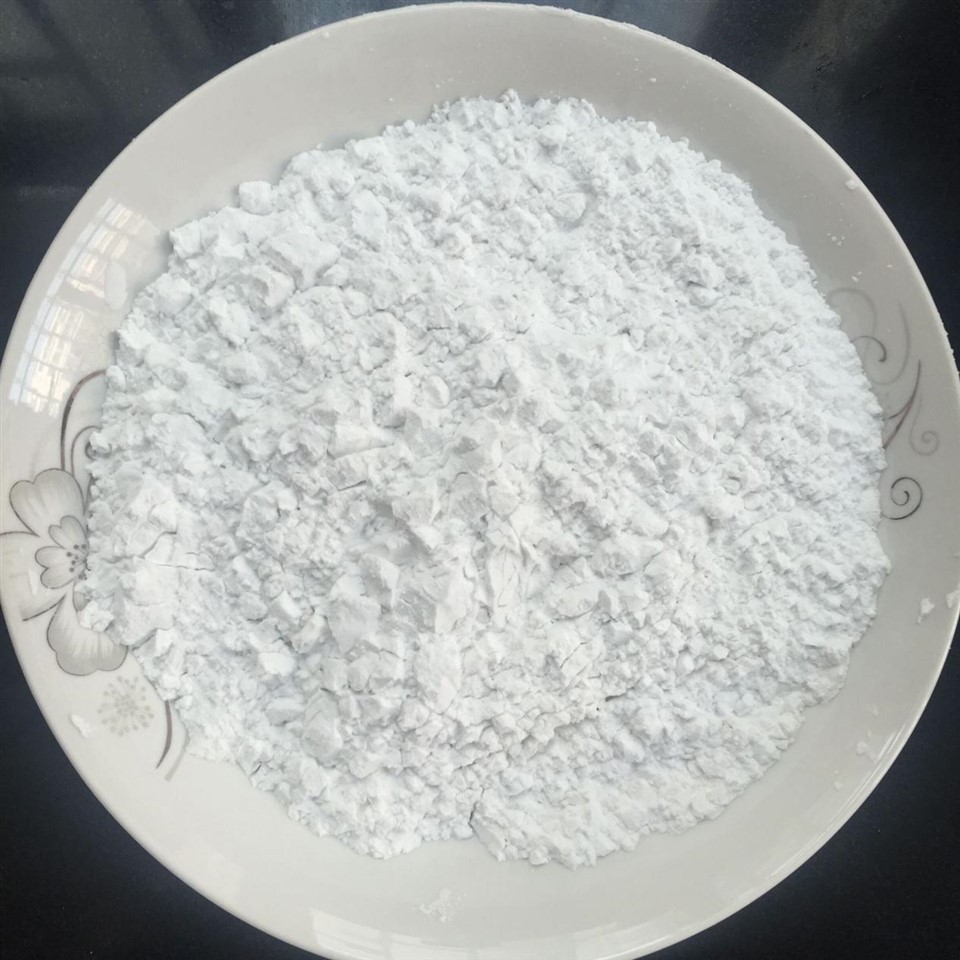
To stay competitive, suppliers of Brominated Polystyrene need to continuously innovate and improve their products. This includes developing new grades of Brominated Polystyrene with enhanced properties, optimizing production processes to reduce costs, and providing excellent customer service. Understanding market trends and customer needs is also crucial for identifying new opportunities and positioning the product effectively in the market.

Technological Advancements
Keeping up with technological advancements is another challenge in Brominated Polystyrene production. New production technologies may offer more efficient ways to produce Brominated Polystyrene, improve product quality, or reduce environmental impacts. However, implementing these new technologies requires significant investment in research and development, as well as in new equipment and training for employees.
Some of the emerging technologies in the field of flame - retardant production include the use of novel catalysts to improve the bromination reaction, and the development of more environmentally friendly production processes. Suppliers need to be proactive in exploring these new technologies and determining which ones are suitable for their operations.
Conclusion
In conclusion, the production of Brominated Polystyrene is a complex process fraught with numerous challenges. From raw material sourcing and reaction control to environmental and safety concerns, quality control, regulatory compliance, competition, and technological advancements, every aspect of the production process requires careful attention.
Despite these challenges, Brominated Polystyrene remains a valuable flame - retardant product due to its excellent properties. As a supplier, we are committed to overcoming these challenges through continuous improvement, innovation, and strict quality control. We understand the importance of providing high - quality products that meet the needs of our customers while also complying with all relevant regulations.
If you are interested in purchasing Brominated Polystyrene or would like to discuss your specific requirements, we invite you to contact us for a detailed procurement discussion. We look forward to the opportunity to work with you and provide you with the best flame - retardant solutions.
References
- "Flame Retardant Handbook" - Edited by George Wypych.
- Scientific research papers on the synthesis and properties of Brominated Polystyrene from various academic journals.
- Industry reports on the flame - retardant market and regulatory updates.