

Is Sodium Nitrite a Good Preservative for Dairy Products?
As a supplier of sodium nitrite, I've often encountered questions regarding its suitability as a preservative, especially in the context of dairy products. This blog post aims to explore the scientific aspects of using sodium nitrite in dairy, weighing its benefits against potential drawbacks.
Understanding Sodium Nitrite
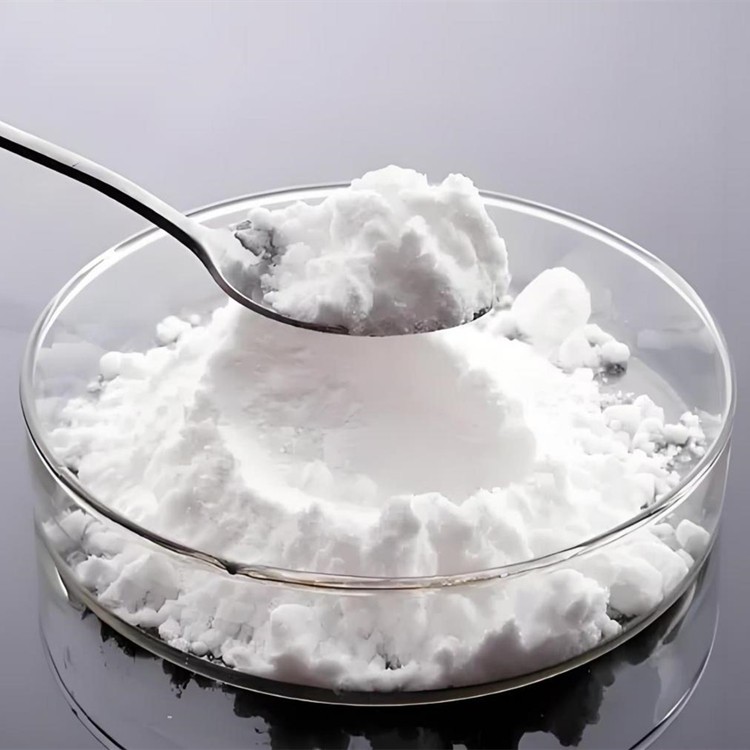
Sodium nitrite (NaNO₂) is a chemical compound that has been used as a preservative in the food industry for many years. It is a white to slightly yellowish crystalline powder that is highly soluble in water. Its use in the food industry is mainly due to its ability to inhibit the growth of certain bacteria, particularly Clostridium botulinum, a bacterium that can produce a deadly toxin.
In the meat industry, sodium nitrite is well - known for its use in curing meats. It helps to give cured meats their characteristic pink color, enhances flavor, and most importantly, prevents the growth of botulism - causing bacteria. But what about its application in dairy products?
The Potential Benefits of Using Sodium Nitrite in Dairy Products
- Antimicrobial Properties
The primary advantage of using sodium nitrite as a preservative is its antimicrobial activity. Dairy products, being rich in nutrients such as proteins, fats, and lactose, are an ideal breeding ground for bacteria. By adding sodium nitrite, the growth of harmful bacteria can be significantly reduced. For example, some studies have shown that sodium nitrite can inhibit the growth of Listeria monocytogenes, a bacterium that can cause listeriosis, a serious and sometimes fatal infection, especially in pregnant women, newborns, and people with weakened immune systems. - Extended Shelf - Life
One of the main goals of using preservatives in dairy products is to extend their shelf - life. By preventing the growth of spoilage microorganisms, sodium nitrite can help dairy products stay fresh for a longer period. This is particularly important for dairy products that are distributed over long distances or have a relatively long time between production and consumption. For instance, in the case of some hard cheeses, a longer shelf - life can ensure that they reach consumers in optimal condition. - Maintaining Product Quality
Sodium nitrite may also play a role in maintaining the sensory qualities of dairy products. It can prevent the development of off - flavors and odors that are often associated with microbial spoilage. This means that dairy products can retain their taste, texture, and appearance for a longer time, providing a better consumer experience.
The Potential Drawbacks of Using Sodium Nitrite in Dairy Products
- Health Concerns
The use of sodium nitrite is not without controversy, mainly due to health concerns. When sodium nitrite is consumed, it can react with amines in the body to form nitrosamines, which are known carcinogens. Although the formation of nitrosamines is more likely to occur under certain conditions, such as high - temperature cooking, there is still a potential risk. In dairy products, the presence of amines from protein breakdown could potentially lead to nitrosamine formation. - Regulatory Restrictions
Regulatory bodies around the world have set strict limits on the use of sodium nitrite in food products. In the context of dairy, these regulations may be even more stringent. For example, in the European Union, the use of sodium nitrite in dairy products is highly restricted, and in some cases, it is completely prohibited. This is because of the potential health risks associated with its use and the availability of alternative preservatives. - Impact on Dairy Product Characteristics
Sodium nitrite may also have an impact on the natural characteristics of dairy products. It can alter the flavor profile, making the product taste different from its traditional form. For example, in some cheeses, the addition of sodium nitrite may result in a slightly different taste that may not be acceptable to consumers who are used to the traditional flavor.
Alternatives to Sodium Nitrite in Dairy Products
- Sodium Metabisulfite
Sodium Metabisulfite is a commonly used preservative in the food industry. It has strong antimicrobial properties and is effective against a wide range of bacteria and fungi. In dairy products, it can be used to prevent spoilage and extend shelf - life. However, like sodium nitrite, it also has some potential drawbacks, such as allergic reactions in some individuals. - Sodium Hydroxide
Sodium Hydroxide can be used in the dairy industry for pH adjustment. By adjusting the pH of dairy products, it can create an environment that is less favorable for the growth of microorganisms. It is also used in the production of some dairy products, such as cheese, to help with the curdling process. - Sodium Bicarbonate
Sodium Bicarbonate is another alternative. It can be used to buffer the pH of dairy products, which can help to maintain their stability and prevent the growth of bacteria. It is also a relatively safe and natural - looking additive, which may be more acceptable to consumers who are concerned about the use of chemical preservatives.
Conclusion
The question of whether sodium nitrite is a good preservative for dairy products is not straightforward. It has both advantages and disadvantages. On one hand, it offers antimicrobial properties, extended shelf - life, and can maintain product quality. On the other hand, it raises health concerns, is subject to regulatory restrictions, and may impact the natural characteristics of dairy products.

As a supplier of sodium nitrite, I understand the importance of providing safe and effective products. I also recognize the need to balance the benefits of using sodium nitrite with the potential risks. Before considering the use of sodium nitrite in dairy products, it is essential to conduct thorough research, comply with regulatory requirements, and consider the preferences of consumers.
If you are interested in learning more about sodium nitrite or other preservatives for your dairy products, or if you would like to discuss potential procurement, please feel free to reach out. We are here to provide you with the best solutions based on your specific needs.
References
- Smith, J. (2018). Food Preservatives: A Review. Journal of Food Science, 83(2), 567 - 575.
- Johnson, A. et al. (2019). The Impact of Sodium Nitrite on Microbial Growth in Dairy Products. Dairy Science International, 72(3), 234 - 242.
- European Food Safety Authority. (2020). Scientific Opinion on the Safety of Sodium Nitrite in Food. EFSA Journal, 18(4), 1 - 32.