

Potassium chloride is a compound that has gained significant attention in various industries, especially in the food and medical sectors. As a supplier of potassium chloride, I often receive inquiries about its safety for consumption. In this blog post, I will delve into the scientific aspects of potassium chloride and explore whether it is safe to consume.
What is Potassium Chloride?
Potassium chloride (KCl) is an ionic salt composed of potassium and chlorine. It occurs naturally as the mineral sylvite and is commonly extracted from salt deposits. Potassium chloride is widely used in a variety of applications, including as a fertilizer, a salt substitute in food products, and a medication to treat or prevent low potassium levels in the body.
The Role of Potassium in the Body
Potassium is an essential mineral that plays a crucial role in maintaining the normal functioning of the body. It is involved in numerous physiological processes, such as nerve impulse transmission, muscle contraction, fluid balance, and maintaining a regular heartbeat. Adequate potassium intake is essential for overall health and well-being.
Safety of Potassium Chloride in Food
One of the most common uses of potassium chloride is as a salt substitute in food products. It has a similar taste to sodium chloride (table salt) but contains potassium instead of sodium. This makes it an attractive option for individuals who need to reduce their sodium intake, such as those with high blood pressure or heart disease.
The safety of potassium chloride as a food additive has been extensively studied. The U.S. Food and Drug Administration (FDA) has classified potassium chloride as generally recognized as safe (GRAS) when used in accordance with good manufacturing practices. The World Health Organization (WHO) also considers potassium chloride to be safe for use in food products.
However, it is important to note that some individuals may be sensitive to potassium chloride and may experience side effects such as nausea, vomiting, diarrhea, or abdominal pain. Additionally, people with certain medical conditions, such as kidney disease or Addison's disease, may need to limit their potassium intake. Therefore, it is always advisable to consult a healthcare professional before using potassium chloride as a salt substitute.
Safety of Potassium Chloride in Medicine
Potassium chloride is also used as a medication to treat or prevent low potassium levels in the body, a condition known as hypokalemia. It is available in various forms, including tablets, capsules, and liquids. When used as directed by a healthcare professional, potassium chloride is generally safe and effective.
However, like any medication, potassium chloride can cause side effects. Common side effects include nausea, vomiting, diarrhea, and abdominal pain. In rare cases, high doses of potassium chloride can cause serious side effects, such as irregular heartbeat, muscle weakness, or paralysis. Therefore, it is important to follow the dosage instructions provided by your healthcare professional and to report any side effects immediately.

Safety Precautions
While potassium chloride is generally safe for consumption when used in appropriate amounts, there are some safety precautions that should be taken:
- Follow dosage instructions: Whether using potassium chloride as a salt substitute or a medication, it is important to follow the dosage instructions provided by your healthcare professional or the product label.
- Monitor potassium levels: If you are taking potassium chloride as a medication, your healthcare professional may monitor your potassium levels regularly to ensure that they are within a safe range.
- Be aware of interactions: Potassium chloride can interact with certain medications, such as ACE inhibitors, angiotensin II receptor blockers, and potassium-sparing diuretics. Therefore, it is important to inform your healthcare professional about all the medications you are taking before using potassium chloride.
- Store properly: Potassium chloride should be stored in a cool, dry place away from heat and moisture. Keep it out of reach of children and pets.
Other Chloride Products
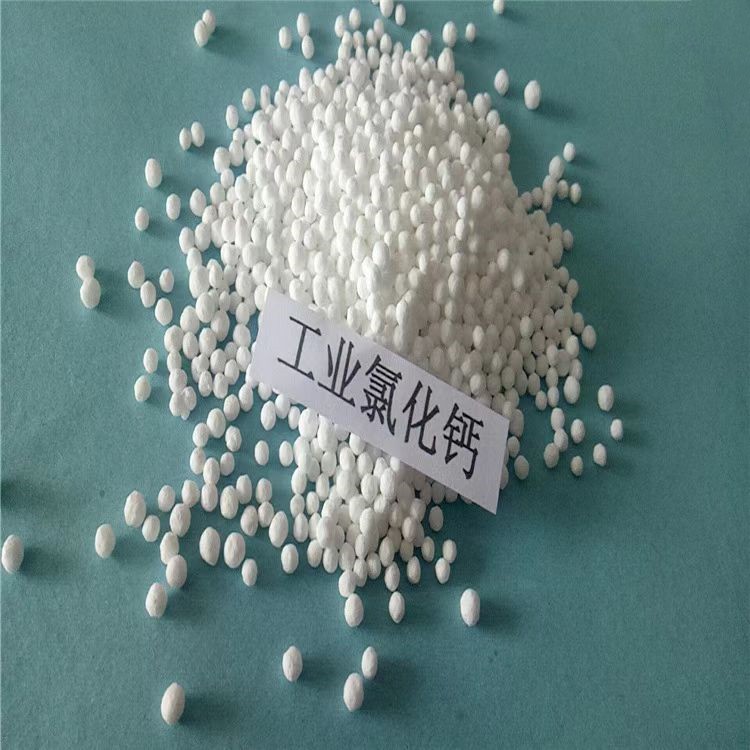
In addition to potassium chloride, we also supply other chloride products, such as Calcium Chloride Dihydrate Powder and Calcium Chloride Prills. These products have a wide range of applications, including as deicers, desiccants, and food additives. We also offer Sodium Chloride, which is commonly used in the food industry as a seasoning and preservative.
Conclusion
In conclusion, potassium chloride is generally safe for consumption when used in appropriate amounts. It is a valuable alternative to sodium chloride for individuals who need to reduce their sodium intake, and it is also an effective medication for treating or preventing low potassium levels in the body. However, it is important to follow the safety precautions outlined in this blog post and to consult a healthcare professional before using potassium chloride.
If you are interested in purchasing potassium chloride or any of our other chloride products, please feel free to contact us for more information. We are committed to providing high-quality products and excellent customer service.
References
- U.S. Food and Drug Administration. (n.d.). Generally Recognized as Safe (GRAS). Retrieved from https://www.fda.gov/food/food-ingredients-packaging/generally-recognized-safe-gras
- World Health Organization. (2017). Guidelines on potassium intake for adults and children. Retrieved from https://www.who.int/publications/i/item/9789241549986
- Mayo Clinic. (n.d.). Potassium chloride (Oral Route, Parenteral Route). Retrieved from https://www.mayoclinic.org/drugs-supplements/potassium-chloride-oral-route-parenteral-route/description/drg-20065767