

Sodium chloride, commonly known as table salt, is a chemical compound with a wide range of applications. Beyond its well - known use in the kitchen, sodium chloride plays a crucial role in the production of electronic components. As a supplier of sodium chloride, I am excited to delve into the various ways this simple compound is utilized in the high - tech world of electronics.
Role in Cleaning and Etching Processes
One of the primary uses of sodium chloride in electronic component production is in cleaning and etching processes. In the manufacturing of printed circuit boards (PCBs), it is essential to have a clean surface for proper soldering and component attachment. Sodium chloride solutions can be used to remove impurities and oxides from the surface of copper traces on PCBs.
When a sodium chloride solution is applied to the PCB surface, the chloride ions react with metal oxides, breaking them down into soluble salts. This process, known as chemical etching, helps to create a clean and smooth surface for subsequent manufacturing steps. For example, the reaction between sodium chloride and copper oxide can be represented as follows:
[CuO + 2NaCl + H_{2}O \rightarrow CuCl_{2}+ 2NaOH]
The copper chloride formed is soluble in water, allowing it to be easily washed away, leaving behind a clean copper surface. This improves the adhesion of solder and other components, reducing the risk of electrical failures.
Use in Electroplating
Electroplating is another area where sodium chloride finds significant application in electronics. Electroplating is the process of depositing a thin layer of metal onto a substrate to improve its appearance, corrosion resistance, or electrical conductivity. Sodium chloride is often used as an electrolyte in electroplating baths.
In a typical electroplating setup, a metal anode (such as gold, silver, or nickel) and a cathode (the electronic component to be plated) are immersed in an electrolyte solution containing sodium chloride and metal salts. When an electric current is applied, metal ions from the anode dissolve into the solution and are deposited onto the cathode. The sodium chloride in the electrolyte helps to conduct electricity and maintain a stable pH level in the solution.
For instance, in the electroplating of gold onto connectors in electronic devices, a solution containing sodium chloride, gold salts, and other additives is used. The sodium chloride ensures a uniform flow of current, resulting in a smooth and even gold coating on the connectors. This enhances the electrical conductivity and corrosion resistance of the connectors, prolonging the lifespan of the electronic device.
Contribution to Semiconductor Manufacturing
Semiconductors are the building blocks of modern electronics, and sodium chloride plays a role in their manufacturing process as well. In the production of silicon wafers, which are the base material for most semiconductors, sodium chloride can be used in the purification process.
Silicon is typically obtained from silica sand, which contains various impurities. One of the methods to purify silicon is the Siemens process, where silicon is reacted with hydrogen chloride gas to form trichlorosilane ((SiHCl_{3})). Sodium chloride can be used in the production of hydrogen chloride gas. By reacting sodium chloride with sulfuric acid, hydrogen chloride gas is produced:
[2NaCl + H_{2}SO_{4}\rightarrow Na_{2}SO_{4}+ 2HCl]
The hydrogen chloride gas is then used in the Siemens process to purify silicon. High - purity silicon is essential for the proper functioning of semiconductors, as impurities can affect their electrical properties. Sodium chloride, therefore, indirectly contributes to the production of high - quality semiconductors.
Comparison with Other Chloride Compounds
While sodium chloride is widely used in electronic component production, other chloride compounds such as Calcium Chloride Prills and Calcium Chloride Dihydrate Flake also have their own applications.

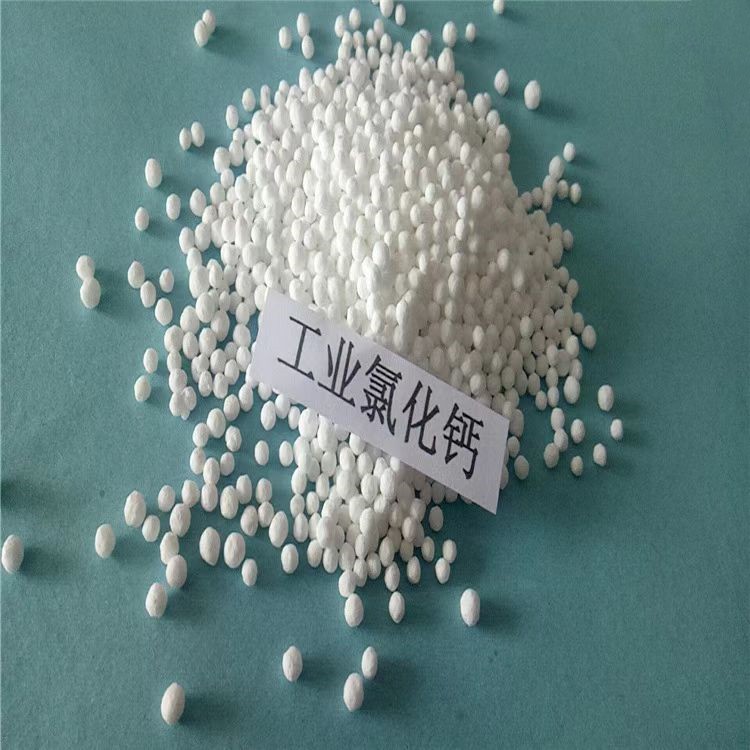
Calcium chloride is often used in humidity control in electronic manufacturing facilities. It has a high affinity for water, and can absorb moisture from the air, creating a dry environment. This is important because moisture can cause corrosion and short - circuits in electronic components. In some cases, calcium chloride can also be used in certain electroplating processes, although its use is less common compared to sodium chloride.
Sodium chloride, on the other hand, is more versatile in terms of its applications in cleaning, etching, and semiconductor manufacturing. It is also more readily available and cost - effective, making it a preferred choice for many electronic manufacturers. You can learn more about Sodium Chloride on our website.
Quality Control and Purity Requirements
In the production of electronic components, the quality and purity of sodium chloride are of utmost importance. Even small amounts of impurities can have a significant impact on the performance of electronic devices. As a sodium chloride supplier, we adhere to strict quality control measures to ensure that our product meets the high standards required by the electronics industry.
We source our sodium chloride from high - quality salt mines and use advanced purification techniques to remove impurities such as heavy metals, sulfates, and other contaminants. Our sodium chloride products are tested regularly using state - of - the - art analytical equipment to ensure that they meet the specified purity levels. This guarantees that our customers can rely on our sodium chloride for their electronic component production needs.
Conclusion
Sodium chloride is an indispensable compound in the production of electronic components. Its applications in cleaning, etching, electroplating, and semiconductor manufacturing are vital for ensuring the quality and performance of electronic devices. As a sodium chloride supplier, we are committed to providing high - quality products that meet the strict requirements of the electronics industry.
If you are involved in the production of electronic components and are looking for a reliable sodium chloride supplier, we would be delighted to discuss your needs. Contact us to start a conversation about how our sodium chloride can enhance your manufacturing processes and improve the quality of your products.
References
- "Handbook of Electronics Manufacturing Technology" by Richard A. Rigsbee.
- "Electroplating Engineering Handbook" by Paul G. Sheasby and Mordechay Pinner.
- "Semiconductor Manufacturing Technology" by Stanley Wolf and Richard N. Tauber.