

Hey there! As a supplier of Sodium Chloride, I've been getting a lot of questions lately about how it's used in battery production. So, I thought I'd sit down and write a blog post to share some insights on this topic.
First off, let's talk a bit about Sodium Chloride itself. You might know it better as table salt, but it's way more than just a seasoning for your fries. Sodium Chloride is a chemical compound made up of sodium and chlorine ions. It's incredibly common and can be found in large quantities in seawater and salt mines. You can learn more about it on our Sodium Chloride page.
Now, onto batteries. Batteries are essential in our modern world. They power everything from our smartphones to electric cars. There are different types of batteries, such as lithium - ion, lead - acid, and sodium - based batteries. And that's where Sodium Chloride comes into play.
One of the key areas where Sodium Chloride is used in battery production is in sodium - ion batteries. These batteries are seen as a potential alternative to lithium - ion batteries, especially for large - scale energy storage. Lithium is a finite resource, and its price can be quite volatile. Sodium, on the other hand, is abundant and more evenly distributed around the world.
In sodium - ion batteries, Sodium Chloride can be used as an electrolyte. An electrolyte is a substance that conducts electricity when dissolved in a solvent. In a battery, it allows the flow of ions between the anode and the cathode, which is essential for the battery to generate and store electrical energy.
When Sodium Chloride is used as an electrolyte, it dissociates into sodium ions (Na⁺) and chloride ions (Cl⁻). The sodium ions can move through the electrolyte from the anode to the cathode during the discharge process, and vice versa during charging. This movement of ions creates an electrical current that can be used to power devices.
Another interesting application of Sodium Chloride in battery production is in the development of solid - state batteries. Solid - state batteries are a hot topic in the battery research community because they offer higher energy density, better safety, and longer lifespan compared to traditional liquid - electrolyte batteries.
Sodium Chloride can be incorporated into the solid electrolyte materials used in these batteries. By adding Sodium Chloride, researchers can improve the ionic conductivity of the solid electrolyte. This means that the sodium ions can move more easily through the solid material, which in turn improves the performance of the battery.
Now, let's compare Sodium Chloride with some other chloride compounds that are also used in battery research. For example, Potassium Chloride is another compound that has been studied for use in batteries. Potassium ions are larger than sodium ions, which can affect the ionic conductivity and the overall performance of the battery. In some cases, the larger size of potassium ions can lead to slower ion transport, making sodium - based electrolytes more attractive in certain applications.
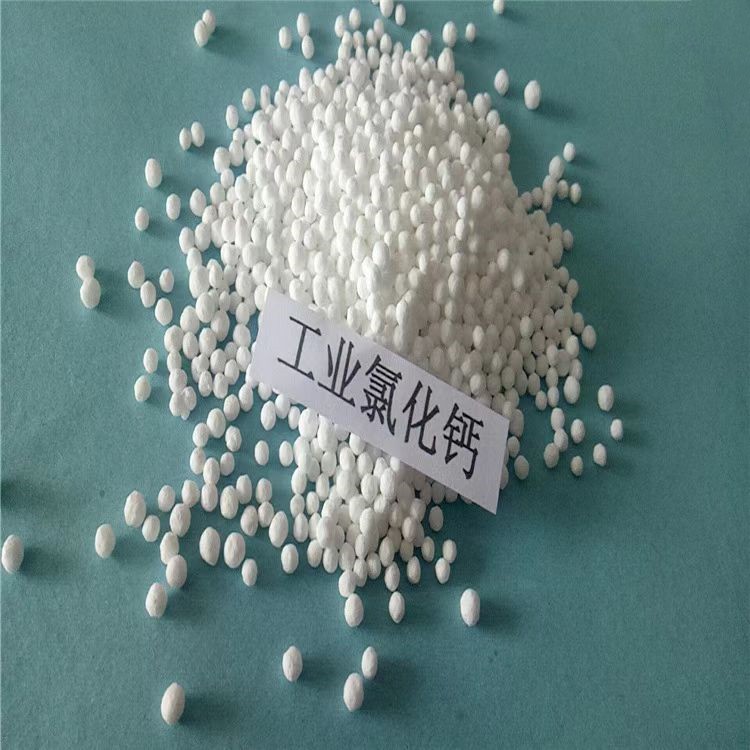
Calcium Chloride Prills are also used in some battery - related research. Calcium ions have a different charge and size compared to sodium ions. The use of calcium - based electrolytes can offer different electrochemical properties, but they also come with their own challenges, such as lower solubility and potential side reactions.
As a Sodium Chloride supplier, I've seen the growing interest in using this compound in battery production. The demand for more efficient and sustainable battery technologies is driving research and development in this area. And Sodium Chloride has a lot of potential to play a key role in the future of battery manufacturing.
If you're in the battery production business or involved in battery research, you might be interested in sourcing high - quality Sodium Chloride. We offer a range of Sodium Chloride products that are suitable for various applications, including battery production. Our products are carefully tested to ensure purity and consistency, which is crucial for achieving optimal battery performance.
Whether you're working on small - scale battery prototypes or large - scale production, we can provide you with the right amount of Sodium Chloride to meet your needs. And if you have any questions about how our Sodium Chloride can be used in your specific battery project, our team of experts is here to help.
So, if you're looking for a reliable Sodium Chloride supplier for your battery production needs, don't hesitate to get in touch. We're ready to start a conversation and see how we can work together to contribute to the development of better battery technologies.
In conclusion, Sodium Chloride has a bright future in battery production. Its abundance, low cost, and unique chemical properties make it an attractive option for use in sodium - ion and solid - state batteries. As the demand for energy storage solutions continues to grow, we can expect to see more and more applications of Sodium Chloride in this exciting field.
References

- "Sodium - Ion Batteries: Present and Future" by J. B. Goodenough and K. S. Park
- "Solid - State Batteries: A Review" by X. Zhang, Y. Li, and J. Liu
- Research papers on the use of chloride compounds in battery electrolytes from various scientific journals.