

Sodium nitrite has long been a crucial component in the meat industry, playing a significant role in preventing bacterial growth. As a reliable sodium nitrite supplier, I am well - versed in the science behind its antibacterial properties and its importance in meat preservation.
The Chemical Nature of Sodium Nitrite
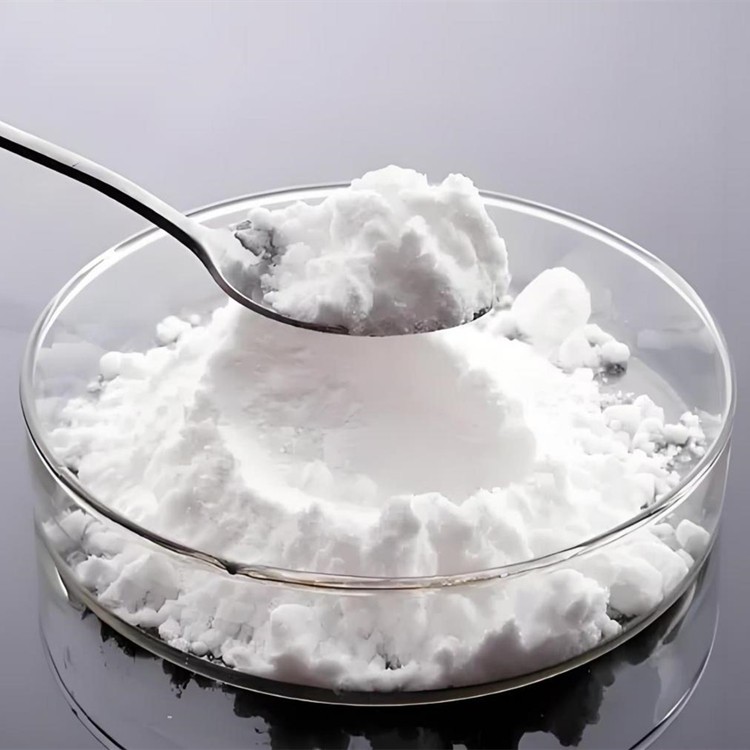
Sodium nitrite (NaNO₂) is an inorganic compound with a white to slightly yellowish crystalline appearance. It is highly soluble in water, which makes it easy to incorporate into meat products during processing. This solubility is an important factor as it allows for even distribution throughout the meat, ensuring consistent antibacterial effects.
The nitrite ion (NO₂⁻) in sodium nitrite is the key player in its antibacterial action. It can undergo a series of chemical reactions within the meat environment, and these reactions are influenced by factors such as pH, temperature, and the presence of other substances.
Inhibition of Bacterial Enzymes
One of the primary ways sodium nitrite prevents bacterial growth is by inhibiting certain bacterial enzymes. Many bacteria rely on enzymes to carry out essential metabolic processes, such as respiration and the breakdown of nutrients. Sodium nitrite can react with the heme groups in some of these enzymes, altering their structure and function.
For example, in Clostridium botulinum, a bacterium that can produce a deadly toxin in meat products, sodium nitrite inhibits the enzyme ferredoxin - dependent nitrate reductase. This enzyme is involved in the anaerobic respiration of the bacterium. By interfering with its activity, sodium nitrite disrupts the normal metabolic pathway of C. botulinum, preventing its growth and toxin production.
Formation of Nitric Oxide
When sodium nitrite is added to meat, it can react with acids present in the meat, such as lactic acid, to form nitric oxide (NO). Nitric oxide is a highly reactive molecule that has strong antibacterial properties.
Nitric oxide can diffuse into bacterial cells and react with various cellular components. It can bind to iron - sulfur clusters in proteins, which are essential for many enzymatic reactions in bacteria. This binding disrupts the normal function of these proteins, leading to the inhibition of bacterial growth.
Moreover, nitric oxide can also react with oxygen to form nitrogen dioxide (NO₂), another reactive species. Nitrogen dioxide can cause oxidative damage to bacterial cells, including damage to DNA, proteins, and membranes. This oxidative stress is often lethal to bacteria, preventing them from multiplying in the meat.

Creation of an Unfavorable Environment for Bacteria
Sodium nitrite can also change the physical and chemical environment of the meat, making it less hospitable for bacteria. It can lower the redox potential of the meat, which is a measure of the tendency of a substance to accept or donate electrons. A lower redox potential creates an environment that is more difficult for aerobic bacteria to survive in, as they require a higher redox potential for their metabolic processes.
In addition, sodium nitrite can interact with myoglobin, a protein in meat that is responsible for its color. The reaction between sodium nitrite and myoglobin forms nitrosomyoglobin, which gives cured meats their characteristic pink color. This reaction also helps to stabilize the meat structure and may reduce the availability of nutrients for bacteria.
Interaction with Other Preservatives
In the meat industry, sodium nitrite is often used in combination with other preservatives to enhance its antibacterial effects. For example, it can be used with Sodium Bicarbonate. Sodium bicarbonate can adjust the pH of the meat, which can influence the effectiveness of sodium nitrite. A slightly alkaline pH can enhance the antibacterial activity of sodium nitrite by promoting the formation of nitric oxide.
Sodium Nitrate is another compound that is sometimes used in conjunction with sodium nitrite. Sodium nitrate can be converted to sodium nitrite in the meat over time, providing a continuous source of nitrite for antibacterial protection.
Impact on Different Types of Bacteria
Sodium nitrite has varying effects on different types of bacteria. Gram - positive bacteria, such as Staphylococcus aureus, are generally more sensitive to the antibacterial action of sodium nitrite than Gram - negative bacteria. This is because the cell wall structure of Gram - positive bacteria is more permeable to the nitrite ion and the reactive species formed from it.
Lactic acid bacteria, which are often used as starter cultures in some meat products, are relatively resistant to sodium nitrite. This is beneficial as these bacteria can still carry out their functions, such as producing lactic acid, which helps to preserve the meat and improve its flavor, while the growth of harmful bacteria is inhibited.
Safety and Regulations
While sodium nitrite is an effective antibacterial agent, its use in the meat industry is strictly regulated. Regulatory agencies around the world have set limits on the amount of sodium nitrite that can be used in meat products to ensure consumer safety. These limits are based on extensive research on the toxicity of sodium nitrite and its potential to form carcinogenic nitrosamines under certain conditions.
As a sodium nitrite supplier, we are committed to providing high - quality products that meet all relevant safety and regulatory standards. We work closely with meat processors to ensure that they use sodium nitrite correctly and in accordance with the regulations.
The Role of Sodium Nitrite in the Meat Industry
The use of sodium nitrite in the meat industry is not only about preventing bacterial growth but also about enhancing the quality and shelf - life of meat products. It helps to maintain the color, flavor, and texture of cured meats, making them more appealing to consumers.
Without sodium nitrite, the risk of bacterial contamination and spoilage in meat products would be significantly higher. This could lead to increased food safety issues and a shorter shelf - life, which would have a negative impact on the meat industry and consumers.
Conclusion
In conclusion, sodium nitrite is a powerful tool in preventing bacterial growth in meat. Its antibacterial action is based on multiple mechanisms, including the inhibition of bacterial enzymes, the formation of nitric oxide, and the creation of an unfavorable environment for bacteria.
As a trusted sodium nitrite supplier, we understand the importance of this compound in the meat industry. We offer high - quality sodium nitrite products that can help meat processors ensure the safety and quality of their products. If you are involved in the meat industry and are looking for a reliable sodium nitrite supplier, we invite you to contact us for further discussions on procurement and how our products can meet your specific needs.
References
- Sebranek, J. G., & Bacus, J. N. (2007). Sodium nitrite in meat products: its use as a color fixative, antioxidant, and antimicrobial agent. Comprehensive Reviews in Food Science and Food Safety, 6(1), 75 - 87.
- Davidson, P. M., & Harrison, M. A. (2002). Antimicrobial agents in foods. In Encyclopedia of food microbiology (Vol. 1, pp. 110 - 125). Academic Press.
- Hunt, M. C., & Kropf, D. H. (1994). The role of nitrite in meat curing. Journal of Muscle Foods, 5(1), 1 - 27.