

Hey there! As a supplier of Sodium Nitrate, I often get asked about how it reacts with ammonia. So, I thought I'd take a deep dive into this topic and share what I've learned.
First off, let's talk a bit about Sodium Nitrate. You can check out more info about it Sodium Nitrate. Sodium Nitrate, with the chemical formula NaNO₃, is a white, crystalline solid that's highly soluble in water. It's used in a bunch of different industries, like agriculture as a fertilizer, in the food industry as a preservative, and in the production of glass and ceramics.
Now, ammonia. Ammonia is a colorless gas with a strong, pungent odor. Its chemical formula is NH₃. It's widely used in the production of fertilizers, cleaning products, and refrigerants. When we talk about how Sodium Nitrate reacts with ammonia, we're usually looking at the reaction in an aqueous solution.
The Reaction Mechanism
The reaction between Sodium Nitrate and ammonia isn't a direct one in the traditional sense. In an aqueous solution, Sodium Nitrate dissociates into sodium ions (Na⁺) and nitrate ions (NO₃⁻). Ammonia, on the other hand, can react with water to form ammonium ions (NH₄⁺) and hydroxide ions (OH⁻) through the following equilibrium reaction:
NH₃ + H₂O ⇌ NH₄⁺ + OH⁻
Now, the nitrate ions from Sodium Nitrate don't directly react with ammonia or ammonium ions under normal conditions. However, if we introduce a reducing agent or change the reaction conditions, things can get interesting.
One common scenario is in the presence of a metal catalyst and under high temperature and pressure. In such cases, ammonia can act as a reducing agent. The nitrate ions can be reduced by ammonia to form nitrogen gas (N₂), water, and sodium hydroxide (NaOH). The overall reaction can be represented as:
5NaNO₃ + 3NH₃ → 4N₂ + 5NaOH + 2H₂O
This reaction is quite important in some industrial processes. For example, in the treatment of wastewater containing nitrate and ammonia, this reaction can be used to remove both pollutants simultaneously. By converting them into nitrogen gas, which is a harmless component of the atmosphere, we can reduce the environmental impact of these substances.
Factors Affecting the Reaction
There are several factors that can influence the reaction between Sodium Nitrate and ammonia.
Temperature: As mentioned earlier, high temperatures are usually required for the reaction to proceed at a reasonable rate. At low temperatures, the reaction is very slow or may not occur at all. This is because the activation energy for the reduction of nitrate ions by ammonia is relatively high. As the temperature increases, the kinetic energy of the molecules also increases, making it more likely for the reactants to overcome the activation energy barrier and react.
Pressure: Similar to temperature, high pressure can also promote the reaction. Increasing the pressure can increase the concentration of the reactant gases (ammonia in this case), which according to Le Chatelier's principle, will shift the equilibrium of the reaction towards the products.
Catalyst: A catalyst can significantly speed up the reaction. Metals like copper, iron, and nickel are often used as catalysts in this reaction. They provide an alternative reaction pathway with a lower activation energy, allowing the reaction to occur more readily.
Applications in Different Industries
Agriculture: In agriculture, the reaction between Sodium Nitrate and ammonia can have implications for soil fertility. Sodium Nitrate is a common fertilizer, and ammonia can be present in the soil from the decomposition of organic matter or from the application of ammonia-based fertilizers. Understanding how these two substances react can help farmers optimize their fertilization strategies. For example, if the soil conditions are such that the reaction between Sodium Nitrate and ammonia can occur, it may affect the availability of nitrogen to plants.
Food Industry: In the food industry, Sodium Nitrate is used as a preservative, especially in cured meats. Ammonia can be present in the processing environment or can be produced during the spoilage of food. Knowing how these two substances react can help food manufacturers ensure the safety and quality of their products.
Wastewater Treatment: As mentioned before, the reaction is used in wastewater treatment to remove nitrate and ammonia from water. By carefully controlling the reaction conditions, treatment plants can effectively reduce the levels of these pollutants in the wastewater before discharging it into the environment.
Other Related Compounds
While we're on the topic of sodium compounds, it's worth mentioning a couple of other related substances. Sodium Metabisulfite is another important sodium compound. It's commonly used as a preservative, antioxidant, and bleaching agent in various industries, including food, beverage, and textile. It has different chemical properties compared to Sodium Nitrate and ammonia, but it also plays a crucial role in many industrial processes.
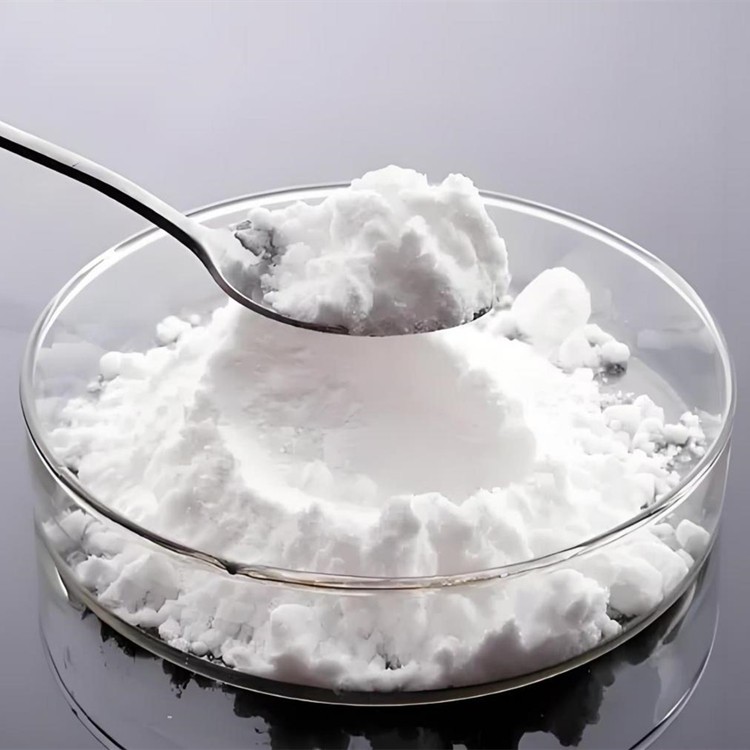

Another compound is Sodium Bicarbonate. It's a well-known compound with a wide range of applications, from baking to medicine. It can react with acids to produce carbon dioxide gas, which is why it's used as a leavening agent in baking.
Conclusion
In conclusion, the reaction between Sodium Nitrate and ammonia is a complex process that depends on several factors. While it may not occur under normal conditions, under the right circumstances, it can have important applications in various industries. Whether you're in agriculture, food production, or wastewater treatment, understanding this reaction can help you make more informed decisions.
If you're interested in purchasing Sodium Nitrate for your business needs, feel free to reach out. We're here to provide you with high-quality Sodium Nitrate products and answer any questions you may have about its applications and reactions. Let's start a conversation and see how we can work together to meet your requirements.
References
- Atkins, P., & de Paula, J. (2014). Physical Chemistry. Oxford University Press.
- Chang, R. (2010). Chemistry. McGraw-Hill.
- Zumdahl, S. S., & Zumdahl, S. A. (2013). Chemistry. Cengage Learning.