

Hey there! As a supplier of sodium metabisulfite, I've got tons of experience and knowledge about how this stuff works, especially in the dyeing process. So, I'm super stoked to share with you all the ins and outs of how sodium metabisulfite plays a key role in dyeing.
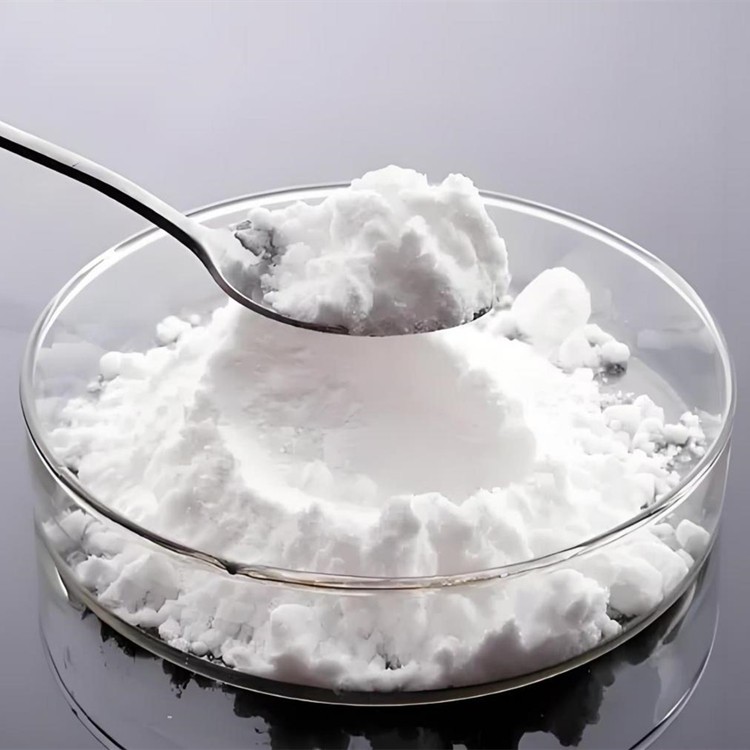
First off, let's talk a bit about what sodium metabisulfite is. It's a white crystalline powder with a sulfurous odor. Chemically, its formula is Na₂S₂O₅. It's quite versatile and is used in a bunch of different industries, but today we're zeroing in on its applications in dyeing.

Reducing Agent in Dyeing
One of the main ways sodium metabisulfite works in the dyeing process is as a reducing agent. In many dyeing techniques, especially those involving vat dyes, the dye needs to be in a soluble form to be applied to the fabric effectively. Vat dyes are insoluble in their oxidized state. That's where sodium metabisulfite steps in.
It reacts with the vat dye in the presence of an alkaline medium, usually with the help of products like Heavy Soda Ash. The sodium metabisulfite reduces the vat dye, converting it into its soluble leuco form. This leuco form can easily penetrate the fibers of the fabric. Once the dye is inside the fabric, it's re - oxidized to its original insoluble form. This re - oxidation process makes the dye firmly attached to the fabric, resulting in a long - lasting and vibrant color.
For example, in the dyeing of denim, vat dyes like indigo are commonly used. Sodium metabisulfite helps in making the indigo dye soluble so that it can be evenly distributed across the denim fabric. When the denim is then exposed to air, the indigo is re - oxidized, giving that classic blue color that we all love in jeans.
Color Fixing and Brightening
Sodium metabisulfite also plays a role in color fixing and brightening during the dyeing process. It can help to remove excess dye from the fabric surface. After the fabric has been dyed, there might be some loose dye particles that haven't properly bonded to the fibers. Sodium metabisulfite can react with these loose dyes, breaking them down and making it easier to wash them off. This results in a cleaner and more even color on the fabric.
Moreover, it can act as a bleaching agent for some impurities in the fabric. Sometimes, fabrics may have natural pigments or other contaminants that can affect the final color of the dyeing. Sodium metabisulfite can help to bleach these out, allowing the dye to show its true and bright color. It can also prevent the formation of unwanted color shades due to these impurities.
pH Regulation
In the dyeing process, maintaining the right pH level is crucial. Sodium metabisulfite can act as a pH regulator to some extent. When it dissolves in water, it forms a slightly acidic solution. This can be useful in adjusting the pH of the dye bath. Different dyes work best at different pH levels. For example, some acid dyes require an acidic environment to bond properly with the fabric. Sodium metabisulfite can help create and maintain this acidic condition, ensuring that the dyeing process goes smoothly.
Antioxidant Properties
Another important aspect of sodium metabisulfite in dyeing is its antioxidant properties. During the dyeing process, the fabric and the dye can be exposed to oxygen in the air, which can cause oxidation. Oxidation can lead to color fading, discoloration, and a decrease in the quality of the dyed fabric. Sodium metabisulfite can prevent this oxidation by reacting with the oxygen in the dye bath.
It acts as a sacrificial agent, meaning it gets oxidized instead of the dye or the fabric. This helps to preserve the color and integrity of the dyed fabric over time. For instance, in the dyeing of silk, which is a delicate fabric prone to oxidation, sodium metabisulfite can be added to the dye bath to protect the silk and the dye from the harmful effects of oxygen.
Compatibility with Other Chemicals
Sodium metabisulfite is quite compatible with many other chemicals commonly used in the dyeing industry. It can work in conjunction with Sodium Nitrate and Sodium Bicarbonate. Sodium nitrate can be used as an oxidizing agent in some dyeing processes, and sodium metabisulfite can balance out its effects when needed. Sodium bicarbonate can be used to buffer the pH of the dye bath, and sodium metabisulfite can complement its action in maintaining the right chemical environment for dyeing.
Dosage and Safety Considerations
When using sodium metabisulfite in the dyeing process, getting the right dosage is crucial. Too little of it may not result in effective reduction of the dye or other desired effects, while too much can lead to over - reduction, which may damage the fabric or cause uneven dyeing.
Safety is also a big concern. Sodium metabisulfite can release sulfur dioxide gas when it reacts with acids. This gas can be harmful if inhaled in large quantities. So, proper ventilation is essential in the dyeing area. Workers should also wear appropriate protective equipment, such as gloves and masks, when handling sodium metabisulfite.
Conclusion
In conclusion, sodium metabisulfite is a multi - faceted chemical that plays a vital role in the dyeing process. Its functions as a reducing agent, color fixer, pH regulator, antioxidant, and its compatibility with other chemicals make it an indispensable part of the dyeing industry.
If you're involved in the dyeing business and are looking for a reliable supplier of high - quality sodium metabisulfite, I'm here for you. Whether you're dyeing natural fibers like cotton and wool or synthetic fibers like polyester and nylon, our sodium metabisulfite can help you achieve excellent results. Don't hesitate to reach out for a consult on your specific requirements and let's have a chat about how we can work together to make your dyeing process even better.
References
- "Textile Dyeing Techniques" by Textile Institute
- "Chemical Compounds in the Textile Industry" by Chemical Industry Press
- Research papers on the application of sodium metabisulfite in dyeing from various scientific journals.