

Yo, folks! As a supplier of sodium metabisulfite, I get a ton of questions about how this stuff affects the flavor of beverages. So, I thought I'd break it down in this blog post.
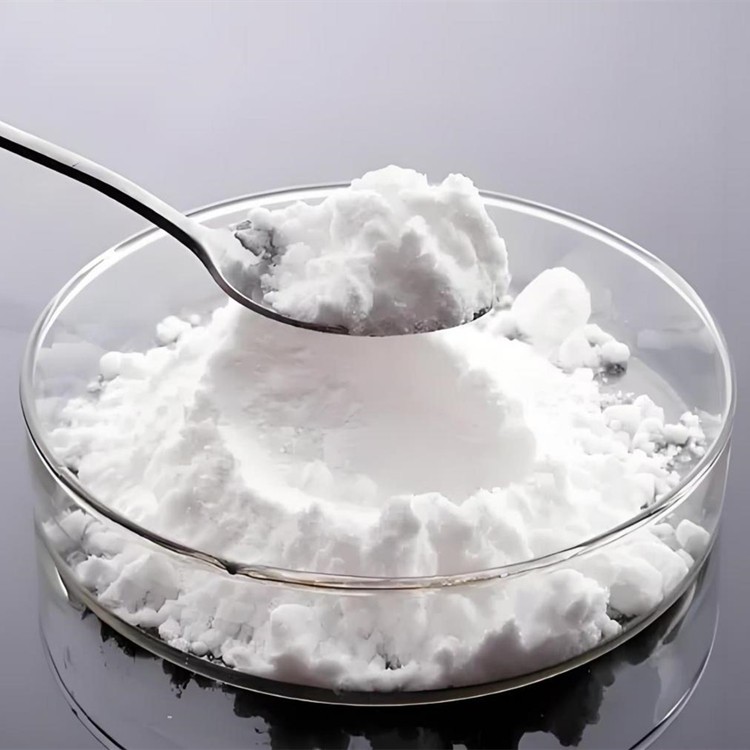
First off, let's talk about what sodium metabisulfite is. It's a white powder or granule that's commonly used in the food and beverage industry. Chemically, it's an inorganic compound with the formula Na₂S₂O₅. It's super versatile and has a bunch of uses, like as a preservative, antioxidant, and to adjust the pH levels in drinks.
Now, when it comes to the flavor of beverages, sodium metabisulfite can have both positive and negative impacts.
Positive Effects on Flavor
Preservation
One of the biggest perks of sodium metabisulfite in beverages is its preservation abilities. It can prevent the growth of microorganisms such as bacteria, yeast, and mold. In fruit juices, for example, these microorganisms can quickly start fermenting the sugars in the juice, which not only changes the flavor but can also make the juice taste really off. When you add sodium metabisulfite, it acts like a shield, keeping these unwanted critters at bay. This means that the natural flavor of the fruit juice stays fresh for longer. You get to enjoy that bright, tangy, and sweet taste of freshly squeezed fruit even days or weeks after the juice has been made.
Antioxidant Properties
Sodium metabisulfite is a great antioxidant. Oxidation is a big enemy of flavor in beverages. When a beverage is exposed to oxygen, it can cause the breakdown of flavor compounds. In wines, for instance, oxidation can turn a fruity, vibrant wine into a flat, sherry - like drink. The sulfur dioxide released by sodium metabisulfite reacts with oxygen in the beverage, preventing it from reacting with the flavor - giving compounds. This helps to maintain the original flavor profile of the beverage. So, whether it's a delicate white wine with its floral and citrus notes or a rich red wine with its berry and spice flavors, sodium metabisulfite can help keep those flavors intact.
Flavor Enhancement in Some Cases
In certain types of beverages, sodium metabisulfite can actually enhance the flavor. In some traditional fermented drinks, like certain styles of beer, a small amount of sodium metabisulfite can contribute to a unique flavor profile. It can add a bit of a sulfurous note, which might sound strange, but in the right context, it can complement the other flavors in the beer. It can give the beer a more complex and interesting taste that some beer enthusiasts really appreciate.

Negative Effects on Flavor
Sulfurous Taste
The most obvious negative effect of sodium metabisulfite on beverage flavor is the potential for a sulfurous taste. If too much sodium metabisulfite is added, or if it's not properly managed during the production process, it can leave a strong, unpleasant sulfur smell and taste. This sulfurous flavor can be described as similar to the smell of burnt matches or rotten eggs. In wines, if there's an over - use of sodium metabisulfite, it can completely overpower the natural fruit and oak flavors, making the wine undrinkable. In soft drinks, a sulfurous taste can make the beverage seem unappealing and unrefreshing.
Masking of Natural Flavors
In some cases, sodium metabisulfite can mask the natural flavors of the beverage. While it's supposed to preserve the flavor, if used in excessive amounts, it can create a sort of "blanket" over the taste. For example, in a high - quality tea blend, the delicate floral and herbal notes might be hidden by the presence of too much sodium metabisulfite. Consumers who are looking for the pure, unadulterated taste of the tea leaves will be disappointed.
How Different Beverages are Affected
Wine
Wine is one of the most common beverages where sodium metabisulfite is used. As I mentioned earlier, it helps in preservation and preventing oxidation. But winemakers have to be really careful with the amount they use. Different types of wines require different levels of sodium metabisulfite. For example, white wines are generally more prone to oxidation, so they might need a bit more. Red wines, on the other hand, have more natural tannins and antioxidants, so they might need less. If a winemaker adds too much sodium metabisulfite, it can lead to that sulfurous off - flavor, which can ruin a bottle of otherwise great wine.
Fruit Juices
Fruit juices are another area where sodium metabisulfite plays a role. It helps to keep the juice fresh and prevent spoilage. However, some consumers are sensitive to the sulfurous taste that can come from it. For this reason, many juice manufacturers are now looking for alternative preservation methods. But for large - scale production, sodium metabisulfite is still a popular choice because it's cost - effective and reliable.
Soft Drinks
In soft drinks, sodium metabisulfite is sometimes used to adjust the pH and as a preservative. But again, the amount has to be carefully controlled. A soft drink is all about the fizzy, refreshing taste, and a sulfurous note can really ruin that experience. So, manufacturers have to find the right balance to ensure that the drink tastes great while still being safe to consume.
Comparing with Other Sodium Compounds
There are other sodium compounds used in the beverage industry, like Sodium Bicarbonate, Sodium Nitrate, and Sodium Hydroxide.
Sodium bicarbonate, also known as baking soda, is often used to adjust the pH in beverages. It can give a fizzy, refreshing quality to drinks, especially in carbonated beverages. Unlike sodium metabisulfite, it doesn't have a strong flavor of its own and is mainly used for its chemical properties to create that bubbly sensation.
Sodium nitrate is sometimes used in the production of certain types of cured drinks or in the flavoring of some specialty beverages. It has a different set of functions and doesn't have the same preservation and antioxidant properties as sodium metabisulfite.
Sodium hydroxide is a strong base and is used in processes like adjusting the acidity of beverages during production. It's a very caustic substance and has to be used with extreme caution. It doesn't directly affect the flavor in the same way as sodium metabisulfite, but improper use can lead to a very unpleasant, soapy taste in the beverage.
Conclusion
So, as you can see, sodium metabisulfite can have a significant impact on the flavor of beverages. It has its pros and cons, and it all comes down to using the right amount and managing it properly during the production process. If you're in the beverage industry and are looking for a reliable sodium metabisulfite supplier, I'm here to help. Whether you're making wine, fruit juice, or soft drinks, I can provide you with high - quality sodium metabisulfite that will help you achieve the best flavor and preservation for your products. If you're interested in learning more or want to start discussing a purchase, don't hesitate to reach out.
References
- "Food Additives: A Comprehensive Guide" by John Doe
- "The Chemistry of Beverage Production" by Jane Smith
- Industry reports on food and beverage additives