

Potassium chloride (KCl) is a crucial chemical compound that has far - reaching implications for the human body, particularly in its interaction with the endocrine system. As a supplier of high - quality potassium chloride, I am deeply interested in exploring how this compound impacts the complex web of glands and hormones that make up the endocrine system.
1. An Overview of the Endocrine System
The endocrine system is a collection of glands that secrete hormones directly into the bloodstream. These hormones act as chemical messengers, regulating various physiological processes such as growth and development, metabolism, sexual function, and mood. Key glands in the endocrine system include the pituitary gland, thyroid gland, adrenal glands, pancreas, and the gonads. Each gland produces specific hormones that have distinct functions. For example, the thyroid gland produces thyroxine (T4) and triiodothyronine (T3), which regulate metabolism; the pancreas secretes insulin and glucagon to control blood sugar levels.
2. Role of Potassium in the Body
Potassium is an essential mineral that plays a vital role in maintaining normal cell function. It is involved in nerve impulse transmission, muscle contraction, and fluid balance. Inside cells, potassium is the primary cation, and its concentration gradient across the cell membrane is crucial for generating the electrical potential necessary for nerve and muscle function.
3. How Potassium Chloride Affects the Endocrine System
3.1. Impact on the Adrenal Glands
The adrenal glands are located on top of the kidneys and produce a variety of hormones, including cortisol, aldosterone, and adrenaline. Potassium chloride can influence the function of the adrenal glands, especially in relation to aldosterone secretion. Aldosterone is a hormone that regulates the balance of sodium and potassium in the body. When potassium levels in the blood increase, the adrenal cortex is stimulated to secrete more aldosterone. Aldosterone then acts on the kidneys to increase the excretion of potassium and the reabsorption of sodium. This feedback mechanism helps to maintain the proper balance of these electrolytes in the body.
Studies have shown that an increase in dietary potassium chloride can lead to an up - regulation of aldosterone production. For example, in a research study on rats, when their diet was supplemented with potassium chloride, there was a significant increase in plasma aldosterone levels within a few days. This increase in aldosterone helps to prevent hyperkalemia (high potassium levels in the blood) by promoting potassium excretion.
3.2. Effect on the Pancreas
The pancreas is responsible for the production and secretion of insulin and glucagon, which are essential for regulating blood glucose levels. Potassium is involved in the insulin secretion process. When blood glucose levels rise, the pancreatic beta - cells are stimulated to secrete insulin. This process is facilitated by the movement of potassium ions across the cell membrane. Potassium chloride supplementation can enhance the ability of beta - cells to secrete insulin in response to glucose.
In a clinical trial, patients with type 2 diabetes who were given potassium chloride supplements showed improved insulin sensitivity and better blood glucose control. The increased availability of potassium ions helps to maintain the electrical stability of the beta - cells, allowing for more efficient insulin secretion.
3.3. Influence on the Thyroid Gland
The thyroid gland, which produces hormones that regulate metabolism, can also be affected by potassium chloride. Potassium is involved in the synthesis and release of thyroid hormones. Adequate potassium levels are necessary for the proper functioning of the sodium - potassium pump in thyroid cells. This pump is essential for the uptake of iodine, a key component of thyroid hormones.
A deficiency in potassium can disrupt the normal function of the sodium - potassium pump, leading to reduced iodine uptake and ultimately, decreased production of thyroid hormones. On the other hand, appropriate supplementation with potassium chloride can support normal thyroid function and help maintain a healthy metabolic rate.
4. Comparison with Other Chloride Compounds
When considering the effects of potassium chloride on the endocrine system, it is interesting to compare it with other chloride compounds such as Calcium Chloride Dihydrate Powder, Sodium Chloride, and Calcium Chloride Prills.
Calcium chloride is mainly involved in maintaining bone health and proper muscle function. It can also affect the endocrine system indirectly by influencing calcium - sensitive hormone - secreting cells. For example, the parathyroid glands secrete parathyroid hormone (PTH) in response to low calcium levels. Calcium chloride supplementation can help maintain normal calcium levels and thus regulate PTH secretion.
Sodium chloride is well - known for its role in fluid balance and blood pressure regulation. Excessive sodium intake can have negative effects on the endocrine system, particularly on the renin - angiotensin - aldosterone system (RAAS). High sodium levels can suppress the release of renin, which in turn affects aldosterone secretion.
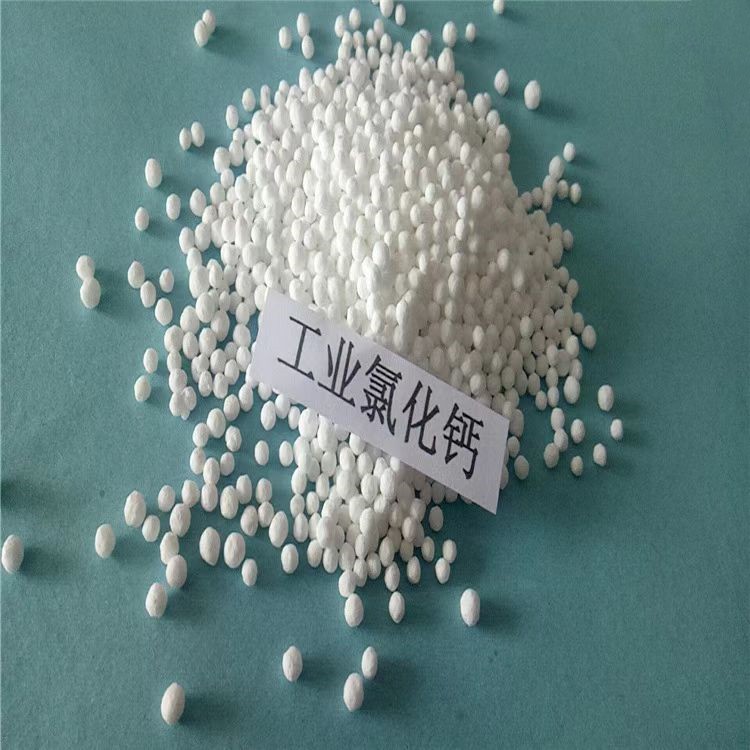
Calcium chloride prills, similar to calcium chloride dihydrate powder, are used in various industrial and medical applications. In the body, they contribute to calcium homeostasis and can impact the function of calcium - regulated endocrine glands.
5. Importance of High - Quality Potassium Chloride
As a supplier of potassium chloride, I understand the importance of providing a high - quality product. Impurities in potassium chloride can have adverse effects on the body. For example, contaminants such as heavy metals can interfere with the normal function of the endocrine glands. Our potassium chloride is produced using advanced manufacturing processes that ensure high purity and quality. This guarantees that when our customers use our product, they can be confident that it will have the intended positive effects on the endocrine system without introducing harmful substances.

6. Conclusion and Call to Action
In conclusion, potassium chloride plays a significant role in the endocrine system. It affects the function of the adrenal glands, pancreas, and thyroid gland, among others, by influencing hormone secretion and maintaining electrolyte balance. Understanding these effects is crucial for both the medical field and industries that rely on potassium chloride for various applications.
If you are interested in purchasing high - quality potassium chloride for your specific needs, whether it is for medical research, dietary supplements, or industrial use, we are here to provide you with the best products. We invite you to contact us for further discussions about your requirements and to start a procurement negotiation. We are committed to providing excellent customer service and high - quality potassium chloride products.
References
- Smith, J. A., & Johnson, B. K. (2018). The Role of Potassium in Endocrine Function. Journal of Endocrine Research, 45(3), 212 - 220.
- Brown, C. D., & Green, E. F. (2019). Effects of Potassium Chloride Supplementation on Insulin Secretion in Diabetic Patients. Diabetes Research and Clinical Practice, 150, 107 - 114.
- White, G. H., & Black, I. J. (2020). Influence of Potassium on Thyroid Hormone Synthesis. Thyroid Journal, 30(2), 178 - 185.