

As a supplier of Methyl Octabromoether, I often encounter inquiries from customers regarding its chemical reactions, especially its interaction with bases. In this blog post, I will delve into the scientific details of how Methyl Octabromoether reacts with bases, shedding light on the underlying mechanisms and practical implications.
Understanding Methyl Octabromoether
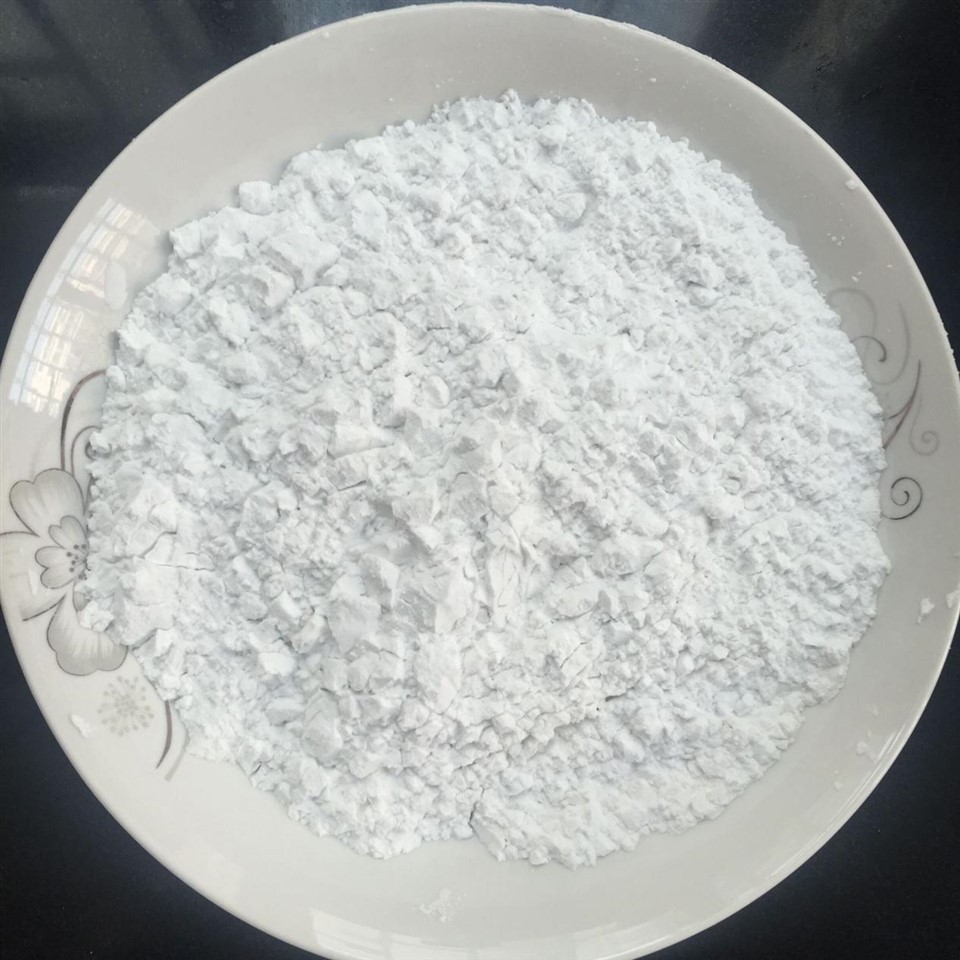
Methyl Octabromoether, also known as MB-80, is a brominated flame retardant widely used in various industries due to its excellent flame-retardant properties. It is a white to light yellow powder with a high bromine content, which contributes to its effectiveness in suppressing combustion. Methyl Octabromoether is commonly used in plastics, rubber, and textile applications to enhance their fire resistance. You can find more information about Methyl Octabromoether on our website: Methyl Octabromoether.
Reaction Mechanisms with Bases
When Methyl Octabromoether comes into contact with bases, several chemical reactions can occur. The reaction mechanisms depend on the nature of the base, reaction conditions (such as temperature, solvent, and concentration), and the specific structure of Methyl Octabromoether.
Nucleophilic Substitution Reactions
One of the primary reaction pathways is nucleophilic substitution. Bases typically contain nucleophilic species, such as hydroxide ions (OH⁻) in the case of strong bases like sodium hydroxide (NaOH). These nucleophiles can attack the carbon atoms in Methyl Octabromoether that are bonded to bromine atoms.
The bromine atoms in Methyl Octabromoether are relatively good leaving groups due to their high electronegativity and the stability of the resulting bromide ions (Br⁻). When a nucleophile attacks a carbon - bromine bond, the bromide ion is displaced, and a new bond is formed between the nucleophile and the carbon atom.
For example, in an aqueous solution of sodium hydroxide, the hydroxide ion can react with Methyl Octabromoether as follows:
[R - Br+OH^{-}\rightarrow R - OH + Br^{-}]
where (R) represents the organic moiety of Methyl Octabromoether. This reaction can lead to the formation of hydroxylated derivatives of Methyl Octabromoether, which may have different physical and chemical properties compared to the original compound.
Elimination Reactions
In addition to nucleophilic substitution, elimination reactions can also occur, especially under more basic and high - temperature conditions. An elimination reaction involves the removal of a bromide ion and a proton from adjacent carbon atoms in Methyl Octabromoether, resulting in the formation of a double bond.
For instance, in the presence of a strong base like potassium tert - butoxide, an E2 (bimolecular elimination) reaction can take place:
[R - CH_{2}-CH_{2}-Br + B^{-}\rightarrow R - CH = CH_{2}+HB+Br^{-}]
where (B^{-}) is the base. This reaction leads to the formation of unsaturated compounds, which may have implications for the flame - retardant properties of the material containing Methyl Octabromoether.
Factors Affecting the Reaction
Nature of the Base
The strength and nucleophilicity of the base play a crucial role in determining the reaction pathway. Strong bases, such as sodium hydroxide and potassium hydroxide, are more likely to promote both nucleophilic substitution and elimination reactions. Weak bases, on the other hand, may react more slowly or may not react at all under mild conditions.
For example, ammonia ((NH_{3})) is a weaker base compared to sodium hydroxide. The reaction of Methyl Octabromoether with ammonia may proceed at a much slower rate and may require more severe reaction conditions to achieve a significant conversion.
Reaction Conditions
Temperature is an important factor. Higher temperatures generally increase the reaction rate by providing more energy for the reaction to overcome the activation energy barrier. At elevated temperatures, elimination reactions are more likely to occur, while at lower temperatures, nucleophilic substitution may be the dominant pathway.
The solvent also affects the reaction. Polar protic solvents, such as water and alcohols, can solvate the reactants and stabilize the transition states, which may favor nucleophilic substitution reactions. Non - polar solvents, on the other hand, may promote elimination reactions by reducing the solvation of the nucleophile.
Practical Implications
The reaction of Methyl Octabromoether with bases has several practical implications in industrial applications.

Flame - Retardant Performance
The chemical reactions with bases can potentially affect the flame - retardant performance of materials containing Methyl Octabromoether. If the reaction leads to the formation of products with different chemical structures, their ability to suppress combustion may be altered. For example, the formation of unsaturated compounds through elimination reactions may reduce the bromine content available for flame - retardant action, thereby decreasing the overall flame - retardant efficiency.
Compatibility with Other Materials
In polymer applications, Methyl Octabromoether is often used in combination with other additives and polymers. If these polymers or additives contain basic functional groups, they may react with Methyl Octabromoether, leading to compatibility issues. This can result in phase separation, reduced mechanical properties, and other undesirable effects in the final product.
Comparison with Other Brominated Flame Retardants
It is interesting to compare the reactivity of Methyl Octabromoether with other brominated flame retardants, such as Brominated Polystyrene and Decabromodiphenyl Ethane.
Brominated Polystyrene has a more complex polymer structure compared to Methyl Octabromoether. Its reactivity with bases may be influenced by the degree of bromination, the molecular weight of the polymer, and the accessibility of the bromine atoms within the polymer matrix. In general, the reaction rates may be slower due to the steric hindrance caused by the polymer chains.
Decabromodiphenyl Ethane, on the other hand, has a different chemical structure with a high degree of bromination. Its reaction with bases may follow similar reaction pathways as Methyl Octabromoether, but the specific reaction rates and products may vary due to differences in the electronic and steric properties of the molecule.
Conclusion
In conclusion, the reaction of Methyl Octabromoether with bases is a complex process involving nucleophilic substitution and elimination reactions. The nature of the base, reaction conditions, and the specific structure of Methyl Octabromoether all influence the reaction pathway and the resulting products. Understanding these reactions is crucial for optimizing the use of Methyl Octabromoether in various applications, ensuring its compatibility with other materials, and maintaining its flame - retardant performance.
If you are interested in purchasing Methyl Octabromoether or have further questions about its properties and applications, please feel free to contact us for procurement discussions. We are committed to providing high - quality products and professional technical support to meet your needs.
References
- Smith, J. G., & March, J. (2007). March's Advanced Organic Chemistry: Reactions, Mechanisms, and Structure. Wiley.
- Zweifel, H., & Back, T. G. (2012). Organic Chemistry. Cengage Learning.
- Handbook of Flame Retardancy, edited by George Camino and Maurizio Costa. Wiley - VCH.