

In the realm of polymer science, the pursuit of enhancing the performance of polymers is an ongoing endeavor. One crucial aspect is the friction and wear properties of polymers, which significantly influence their applications in various industries, such as automotive, aerospace, and engineering plastics. As a leading supplier of Brominated Polystyrene, I am excited to delve into how this remarkable additive impacts the friction and wear characteristics of polymers.
Understanding Brominated Polystyrene
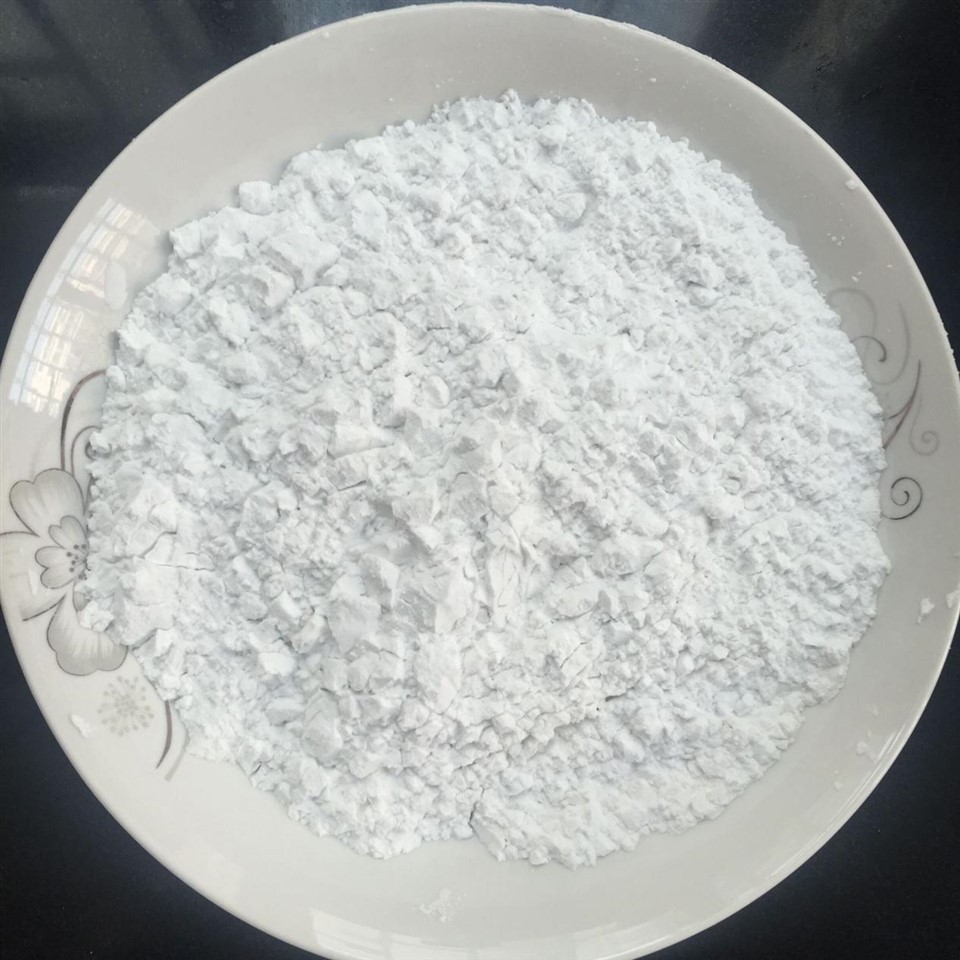
Brominated Polystyrene is a high - performance flame retardant that has gained widespread use in the polymer industry. Its chemical structure consists of a polystyrene backbone with bromine atoms attached. This unique structure endows it with excellent thermal stability, good compatibility with polymers, and high flame - retardant efficiency. You can find more detailed information about Brominated Polystyrene on our website Brominated Polystyrene.
The Mechanism of Friction and Wear in Polymers
Before discussing the impact of Brominated Polystyrene, it is essential to understand the basic mechanisms of friction and wear in polymers. Friction is the resistance encountered when two surfaces slide against each other. In polymers, friction can be affected by factors such as surface roughness, molecular structure, and the presence of additives. Wear, on the other hand, is the removal of material from the surface of a polymer due to mechanical action. There are different types of wear, including adhesive wear, abrasive wear, and fatigue wear.
Adhesive Wear
Adhesive wear occurs when two surfaces in contact adhere to each other at the asperities (small protrusions on the surface). As the surfaces slide, these adhesive bonds are broken, leading to the transfer of material from one surface to the other.
Abrasive Wear
Abrasive wear is caused by the action of hard particles or rough surfaces that scratch or cut the polymer surface. This type of wear is common in applications where polymers are in contact with abrasive materials.

Fatigue Wear
Fatigue wear results from cyclic loading on the polymer surface. Repeated stress can cause cracks to initiate and propagate, eventually leading to the removal of material.
Impact of Brominated Polystyrene on Friction Properties
Reduction of Friction Coefficient
One of the significant impacts of Brominated Polystyrene on polymers is the reduction of the friction coefficient. The presence of Brominated Polystyrene can modify the surface properties of the polymer. It can form a thin, lubricating layer on the surface, which reduces the direct contact between the polymer and the counter - surface. This lubricating effect is similar to that of some traditional lubricants. For example, in engineering plastics used in automotive components, a lower friction coefficient means less energy loss during operation, which can improve fuel efficiency and reduce wear on the components.
Influence on Surface Roughness
Brominated Polystyrene can also affect the surface roughness of polymers. During the processing of polymers with Brominated Polystyrene, it can help to smooth the surface. A smoother surface generally leads to lower friction. This is because there are fewer asperities to interlock with the counter - surface, reducing the adhesive and abrasive forces between the two surfaces.
Impact of Brominated Polystyrene on Wear Properties
Enhancement of Wear Resistance
Brominated Polystyrene can significantly enhance the wear resistance of polymers. It acts as a reinforcement agent in the polymer matrix. The brominated polystyrene particles can distribute stress more evenly throughout the polymer, preventing the concentration of stress at specific points. This reduces the likelihood of crack initiation and propagation, which are the main causes of fatigue wear.
In addition, the improved surface properties due to Brominated Polystyrene also contribute to better wear resistance. A lower friction coefficient means less energy is dissipated as heat during the sliding process, reducing the thermal degradation of the polymer and the associated wear.
Protection against Abrasive Wear
When polymers are exposed to abrasive environments, Brominated Polystyrene can provide protection. The hard particles in the abrasive material are less likely to penetrate the polymer surface when Brominated Polystyrene is present. It can form a more rigid and resistant surface layer, which acts as a barrier against abrasive wear.
Comparison with Other Flame Retardants
Decabromodiphenyl Ethane
Decabromodiphenyl Ethane is another commonly used flame retardant. While it has good flame - retardant properties, its impact on the friction and wear properties of polymers may be different from Brominated Polystyrene. Decabromodiphenyl Ethane may not have the same lubricating effect as Brominated Polystyrene, and in some cases, it may even increase the surface roughness of the polymer, leading to higher friction and wear.
Methyl Octabromoether
Methyl Octabromoether is also a well - known flame retardant. Similar to Decabromodiphenyl Ethane, its influence on friction and wear is distinct from Brominated Polystyrene. Methyl Octabromoether may have a different interaction with the polymer matrix, which can result in different surface and mechanical properties. Brominated Polystyrene generally offers a better balance between flame retardancy and the improvement of friction and wear properties.
Applications in Different Industries
Automotive Industry
In the automotive industry, polymers are widely used in various components, such as gears, bearings, and seals. The addition of Brominated Polystyrene can improve the performance of these components by reducing friction and wear. This leads to longer service life, lower maintenance costs, and better overall vehicle performance.
Aerospace Industry
In aerospace applications, polymers need to withstand extreme conditions, including high - speed friction and wear. Brominated Polystyrene can enhance the durability of polymers used in aircraft interiors, engine components, and structural parts. It helps to ensure the safety and reliability of these critical components.
Engineering Plastics
Engineering plastics are used in a wide range of applications, from consumer electronics to industrial machinery. The improved friction and wear properties provided by Brominated Polystyrene make these plastics more suitable for demanding applications, where long - term performance is crucial.
Conclusion
In conclusion, Brominated Polystyrene has a profound impact on the friction and wear properties of polymers. It can reduce the friction coefficient, enhance wear resistance, and protect polymers against different types of wear. Compared with other flame retardants, it offers unique advantages in terms of improving the mechanical performance of polymers.
As a supplier of Brominated Polystyrene, we are committed to providing high - quality products that can meet the diverse needs of our customers. If you are interested in learning more about how Brominated Polystyrene can benefit your polymer applications or if you are looking to purchase our products, please feel free to contact us for further discussions and procurement negotiations.
References
- Smith, J. K. (2018). Polymer Science: An Introduction. CRC Press.
- Brown, A. R. (2019). Friction and Wear in Polymers. Elsevier.
- Johnson, M. L. (2020). Flame Retardants in Polymer Composites. Wiley.